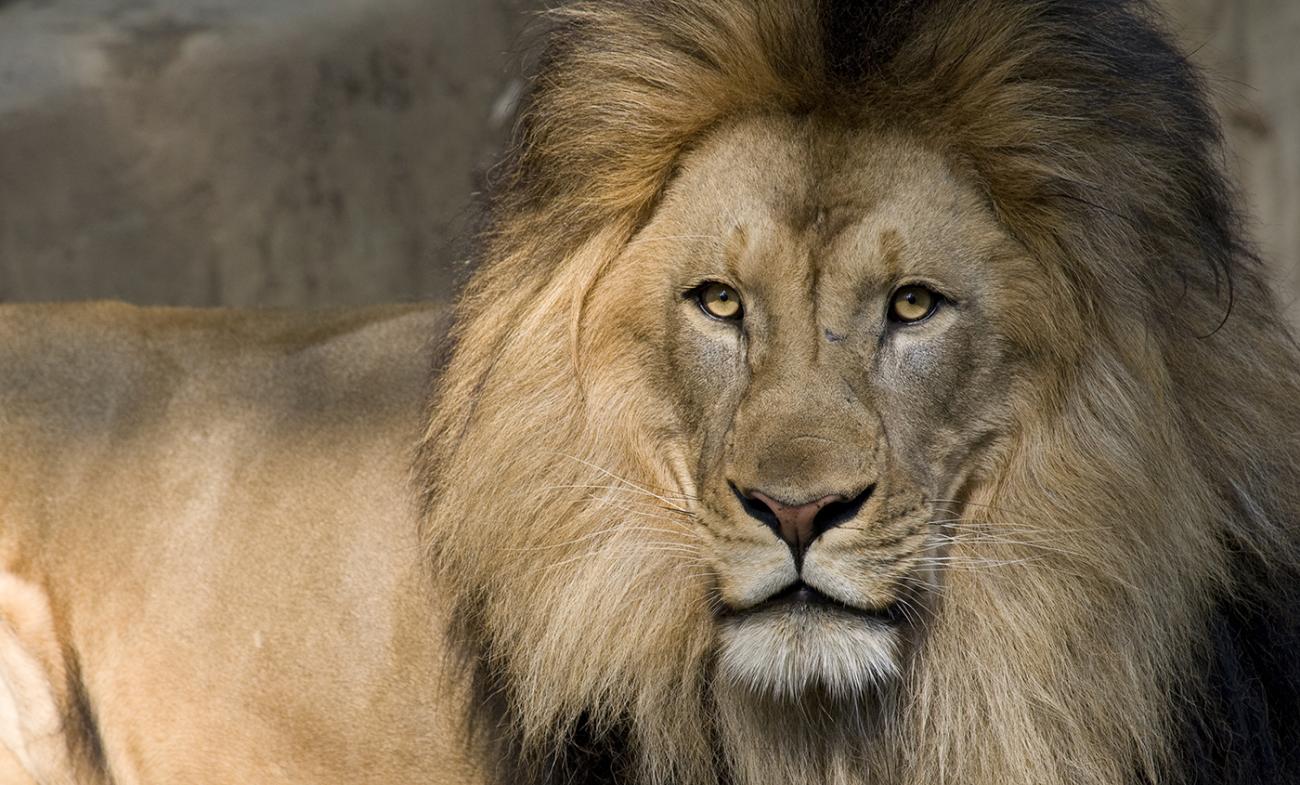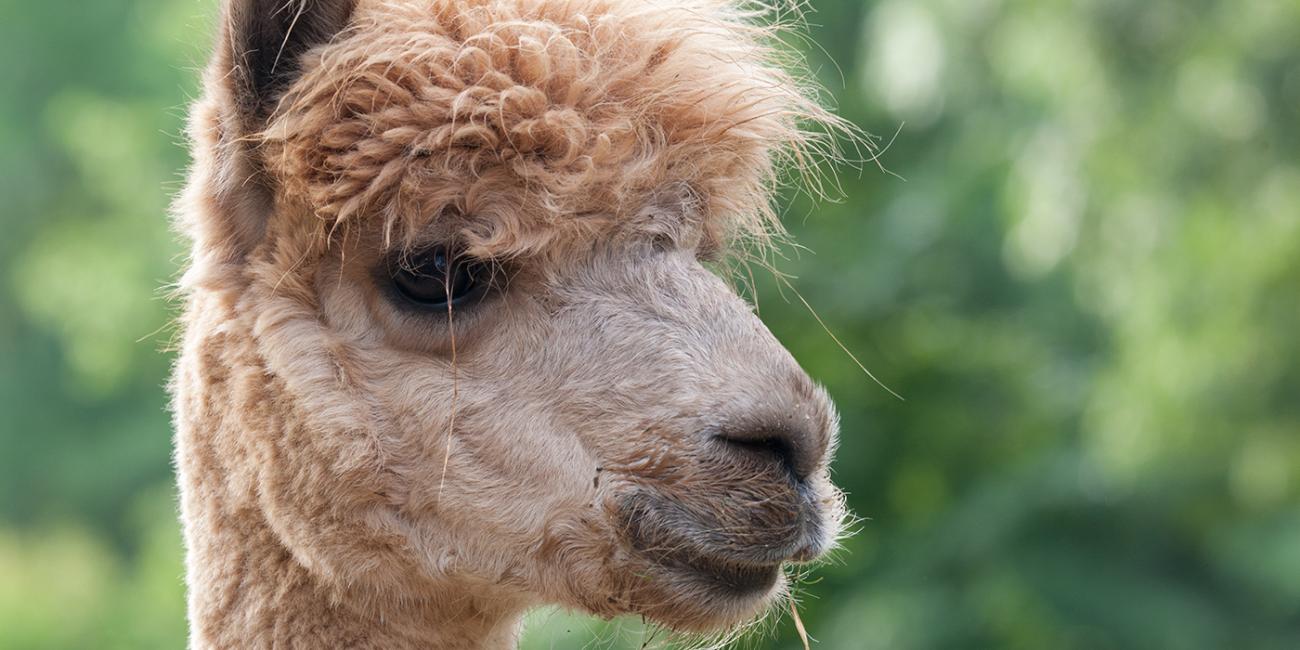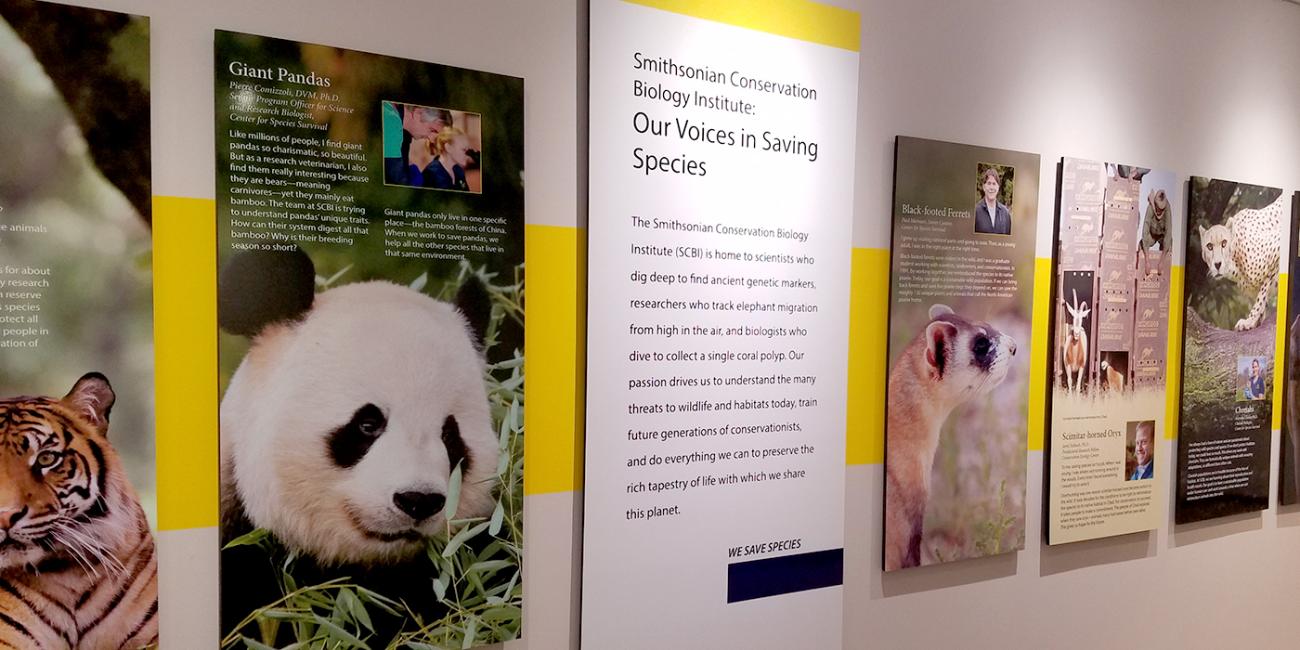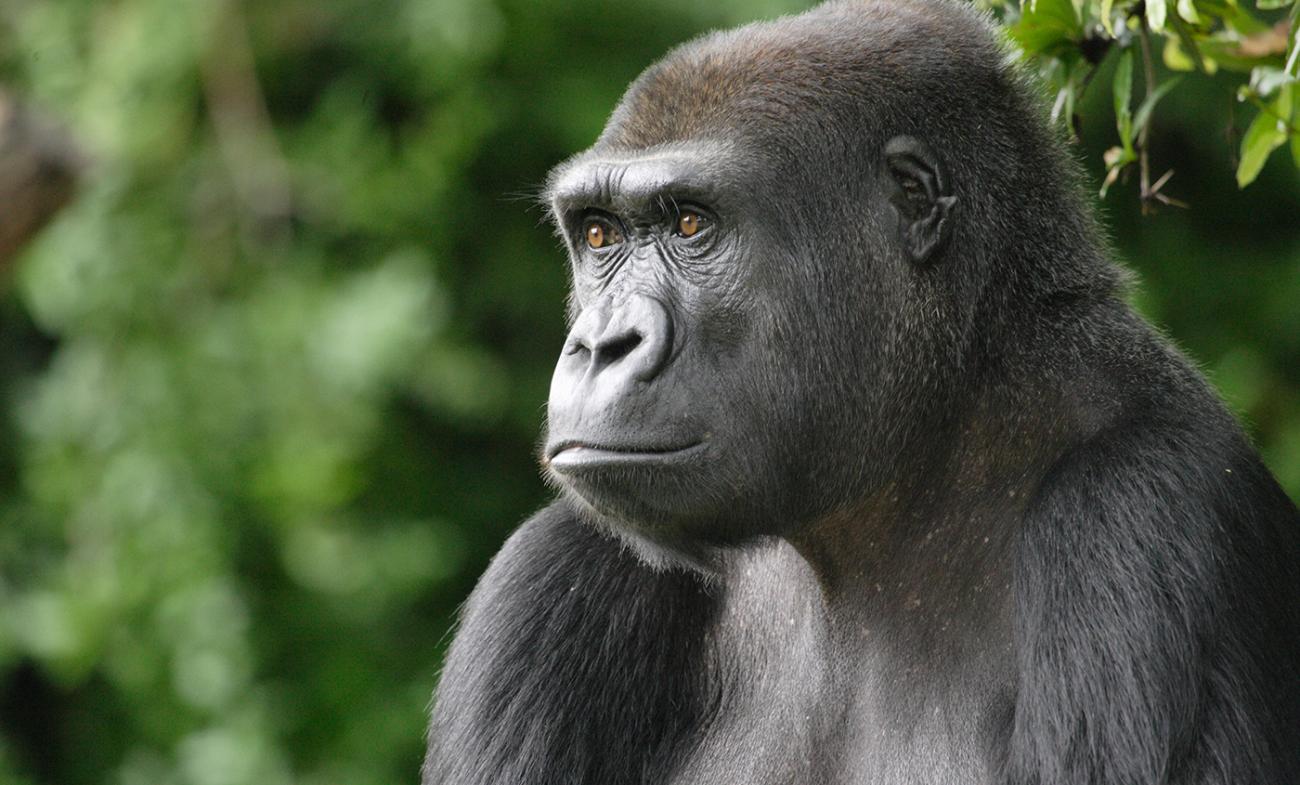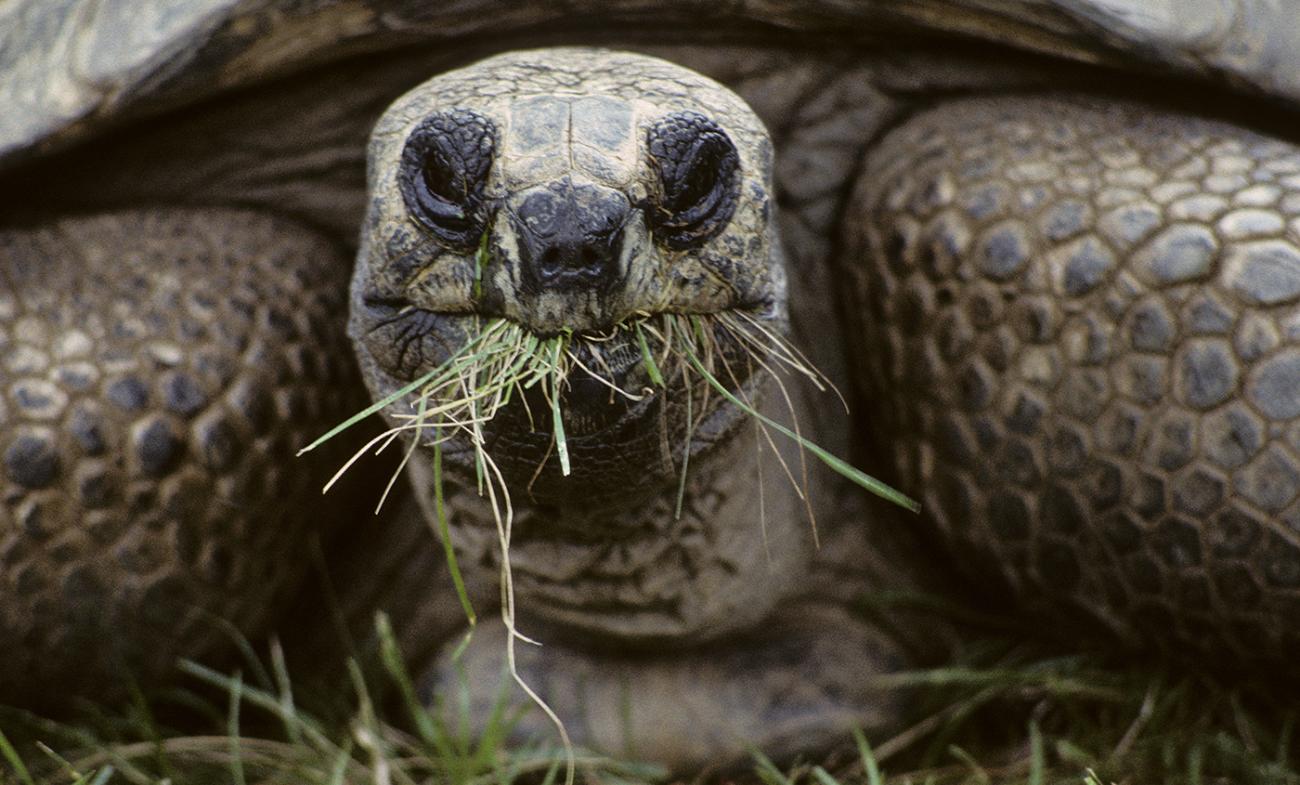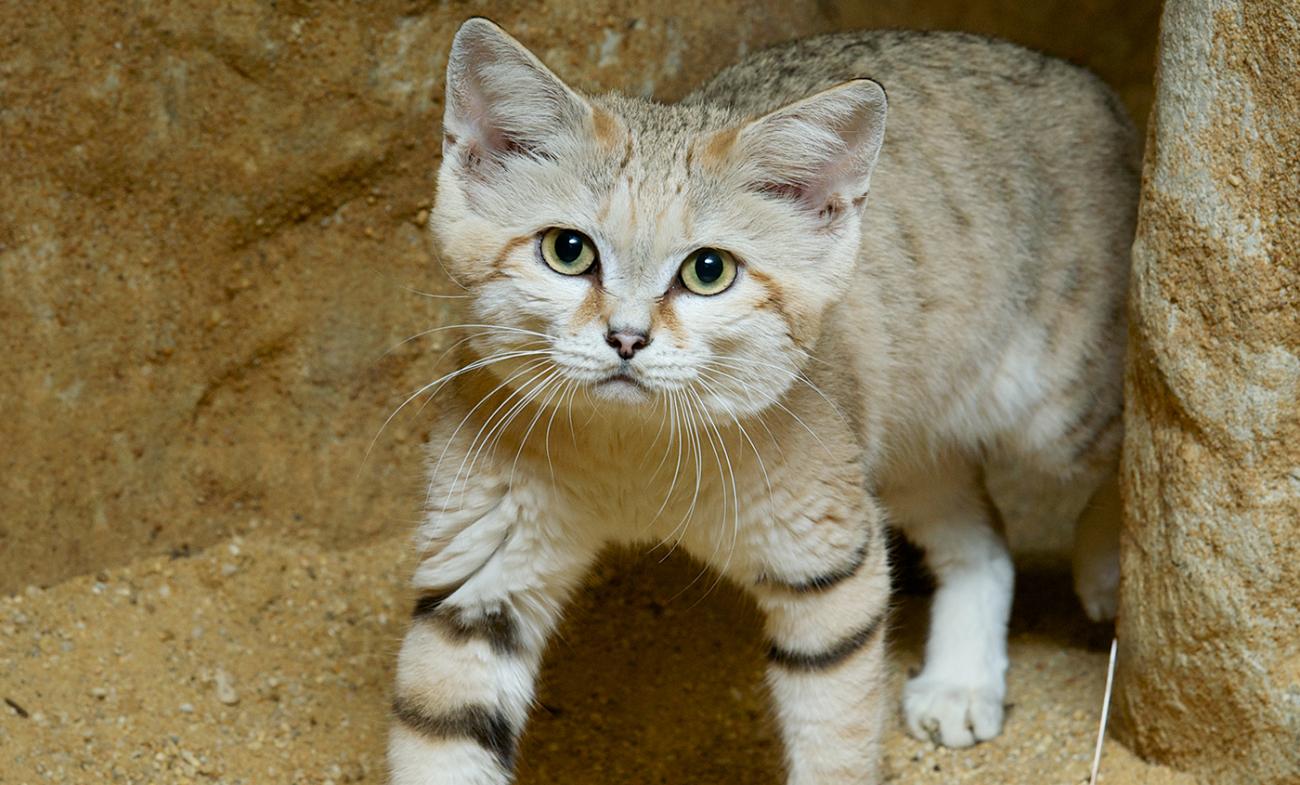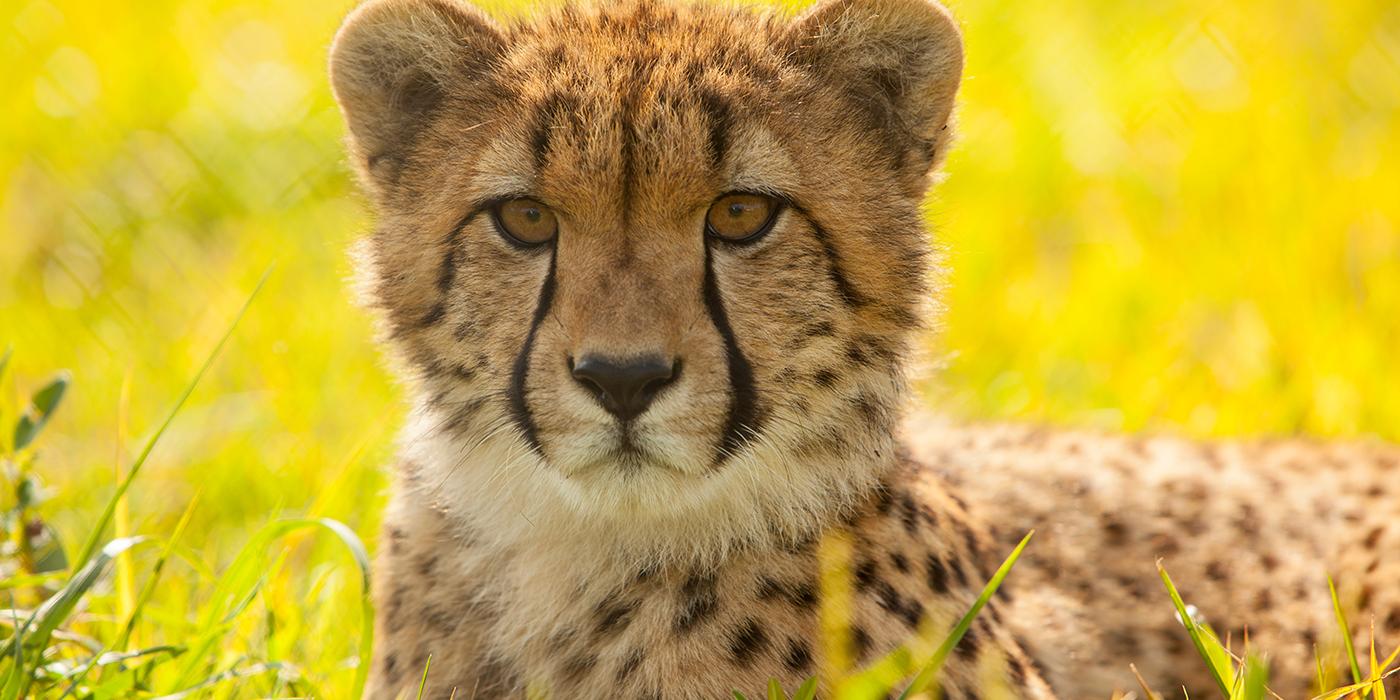
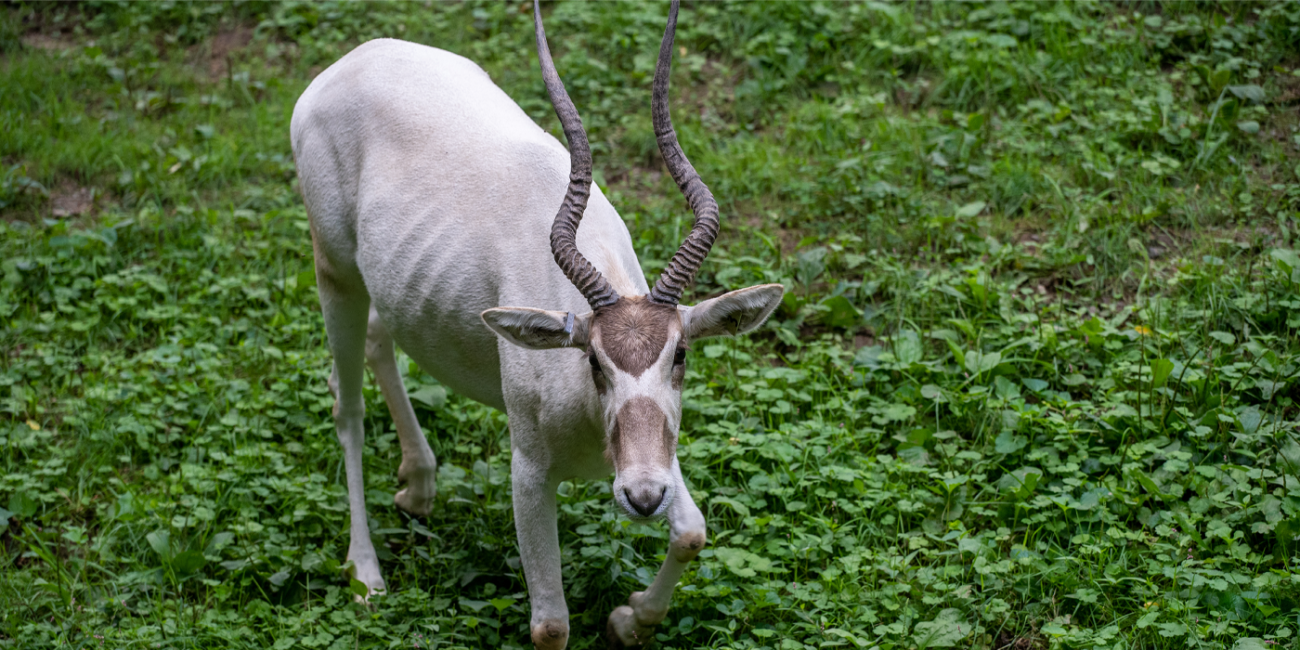
Animals in this Exhibit
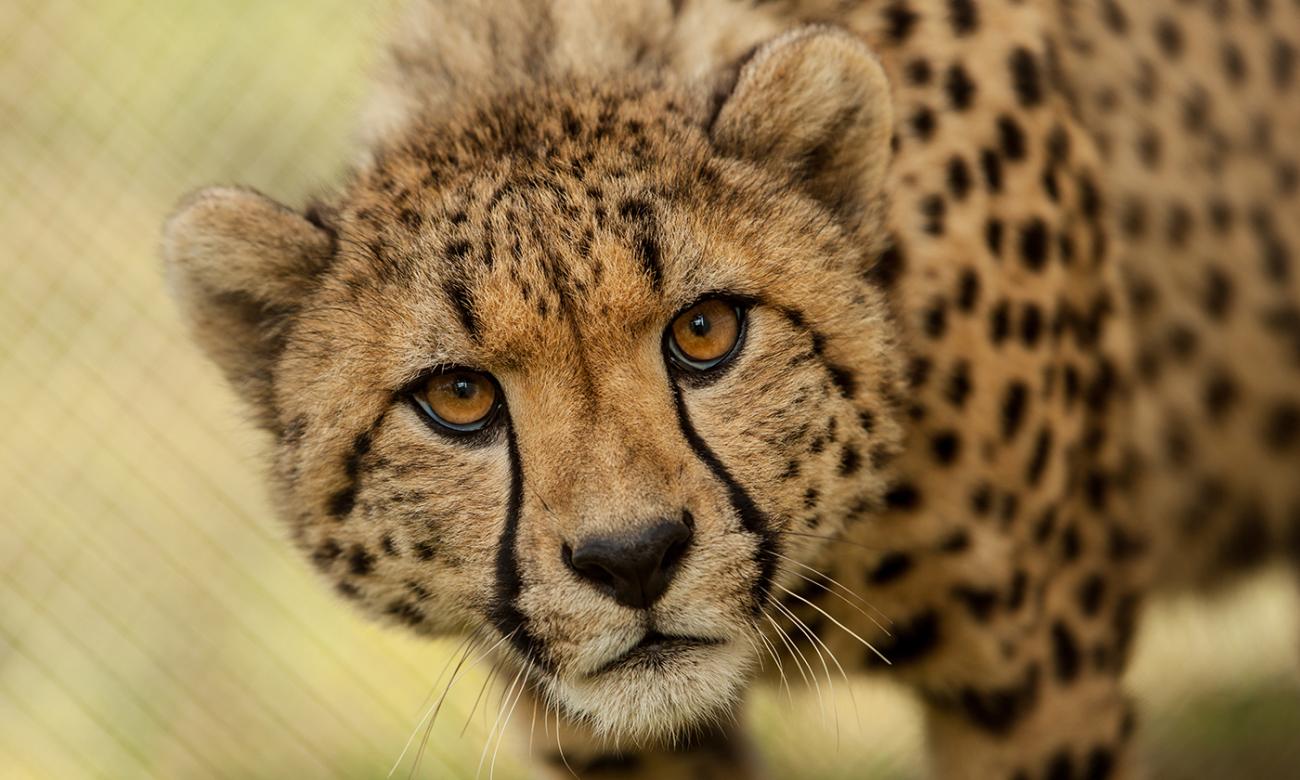
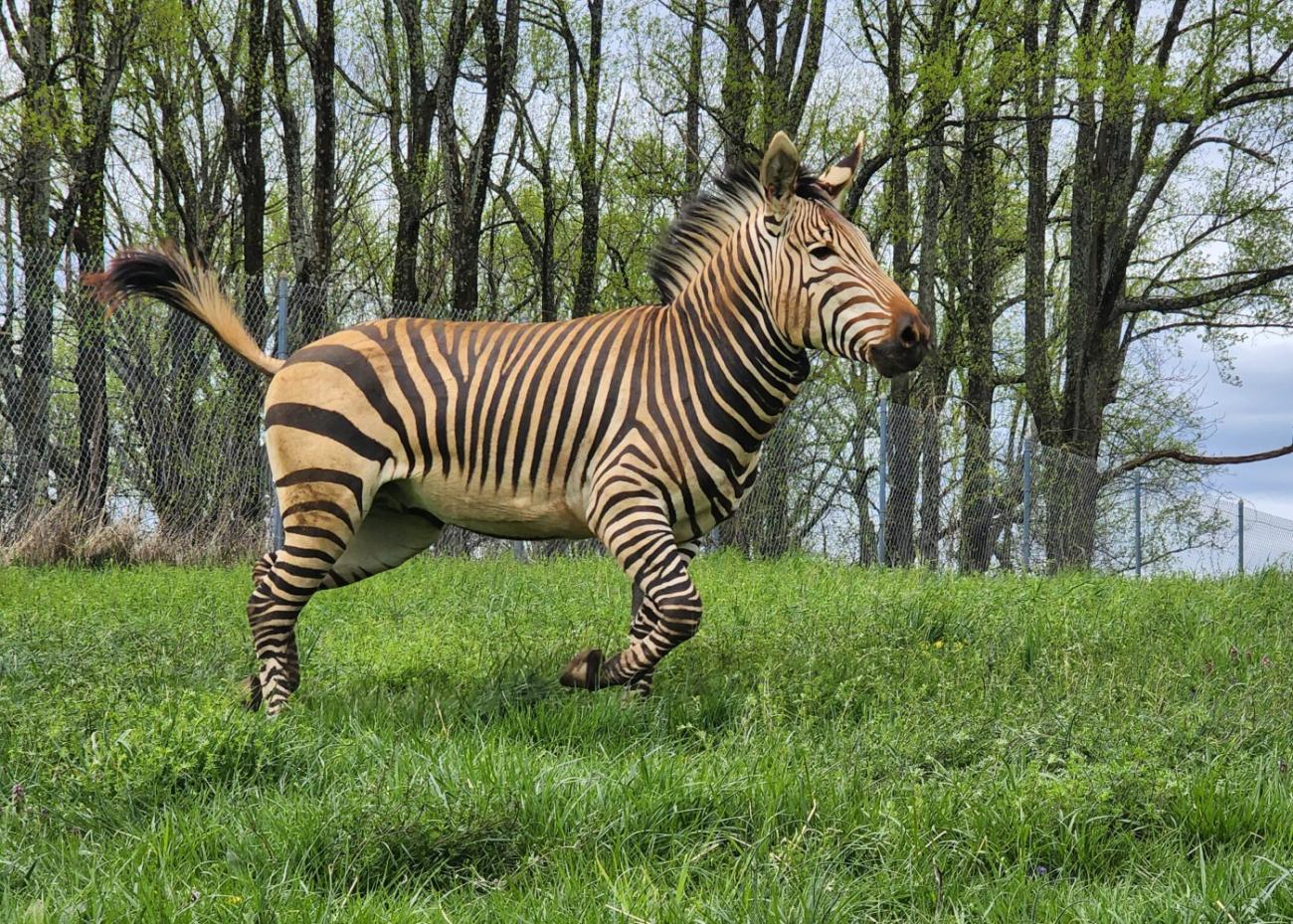
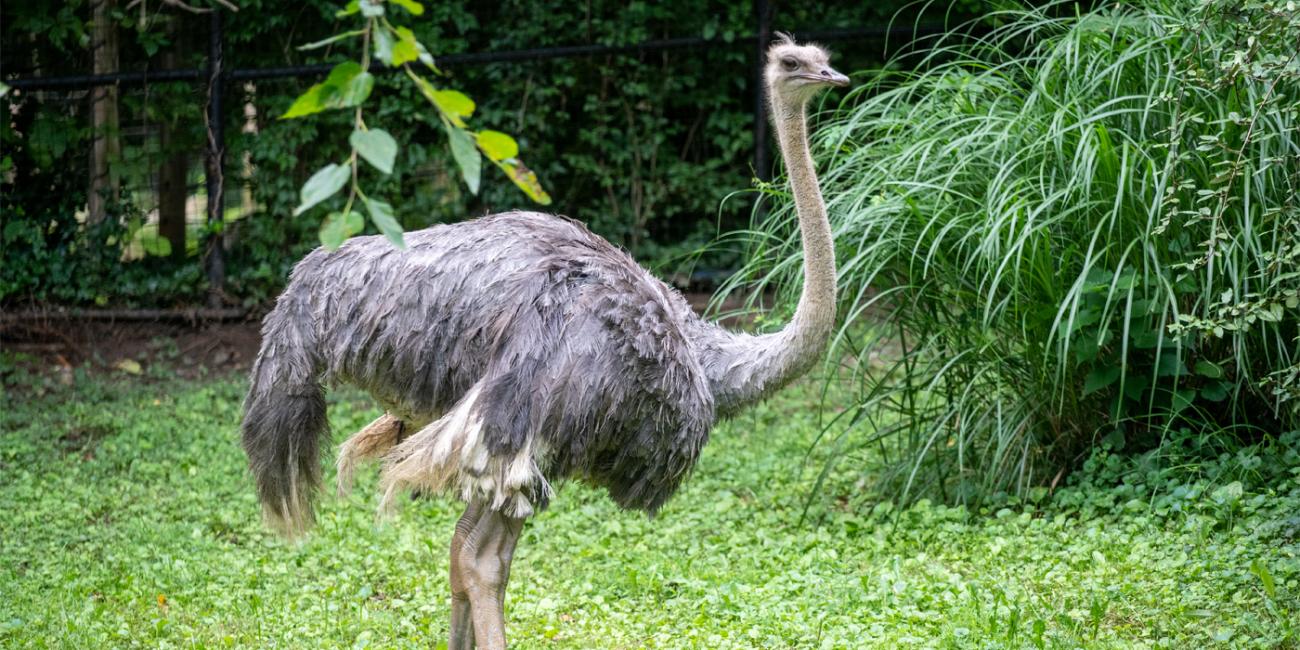
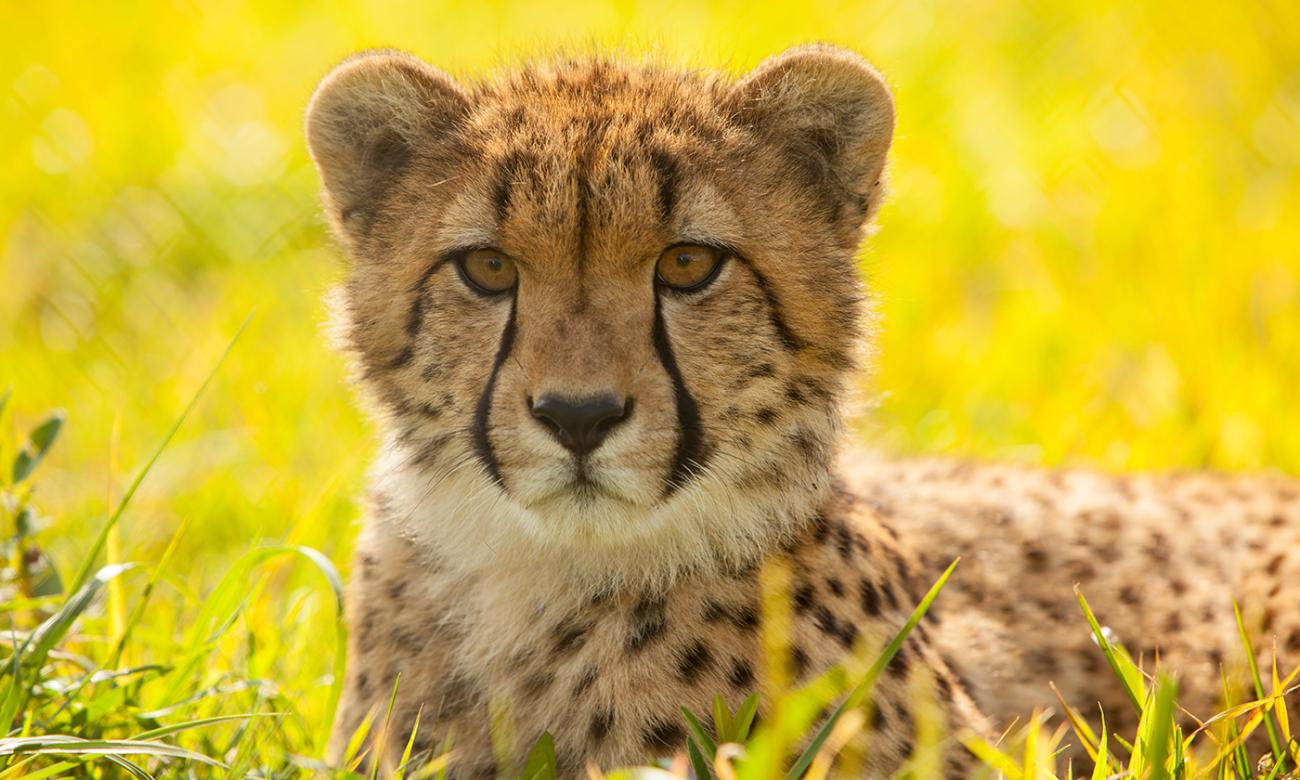
Scientists at the Smithsonian's National Zoo and Conservation Biology Institute have been studying the behavior, breeding and health of many species along Africa Trail. Biologists collect behavior and hormone data on cheetah populations to optimize breeding success. Staff also work to understand reproductive behavior and physiology, parental behavior, infant behavior and development, nutrition, health and disease of cheetahs and other species.
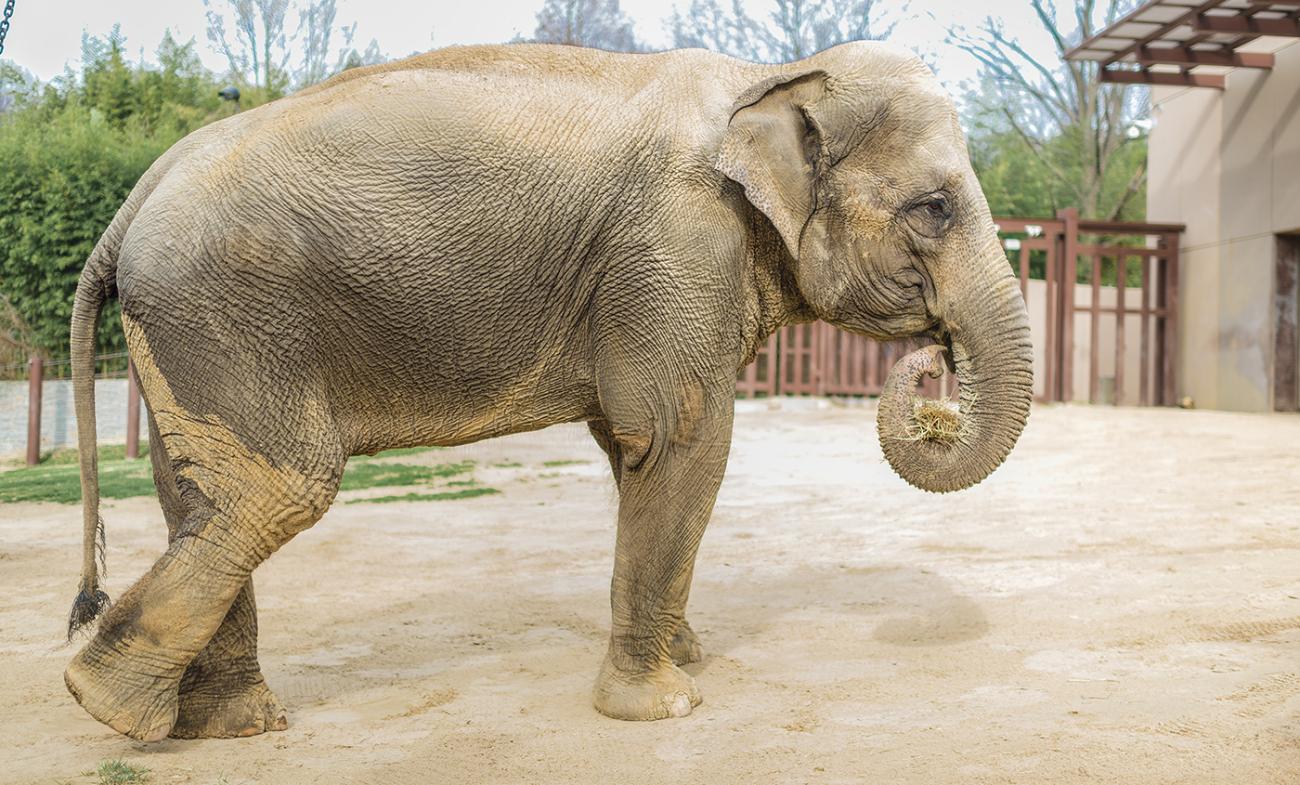
The Zoo’s Gabon Biodiversity Program has been on the front lines of integrating conservation needs with development priorities to sustain biodiversity in Gabon and training the next generation of conservation practitioners. The Gamba Complex of Protected Areas in southwestern Gabon is rich in biodiversity, encompassing many habitat types and species of concern, including gorillas, forest elephants and sea turtles.
Africa Trail keepers provide the animals with enrichment — enclosures, socialization, objects, sounds, smells and other stimuli—to enhance their well-being and give them an outlet to demonstrate their species-typical behaviors. An exhibit’s design is carefully and deliberately planned to provide physically and mentally stimulating toys, activities, and environments for the Zoo’s animals. Each enrichment is tailored to give an animal the opportunity to use its natural behaviors in novel and exciting ways. As with any enrichment activity, an animal can either choose to participate or not.
To encourage the animals to forage as they would in the wild, keepers scatter food throughout the exhibit or place it in various puzzle feeders in the yards. They get food in various locations to keep them moving throughout the day.
Several animals share space in mixed-species exhibits, providing them with an opportunity to interact just as they would in their native habitats.
In addition to environmental enrichment, many animals participate in training sessions. This social enrichment provides an animal with exercise and mental stimulation while reinforcing the relationship between an animal and his/her keeper. Cheetahs have been trained to participate in blood draws, which enabled animal care staff to monitor their health.
Restrooms are located at the Visitor Center and Panda Plaza.
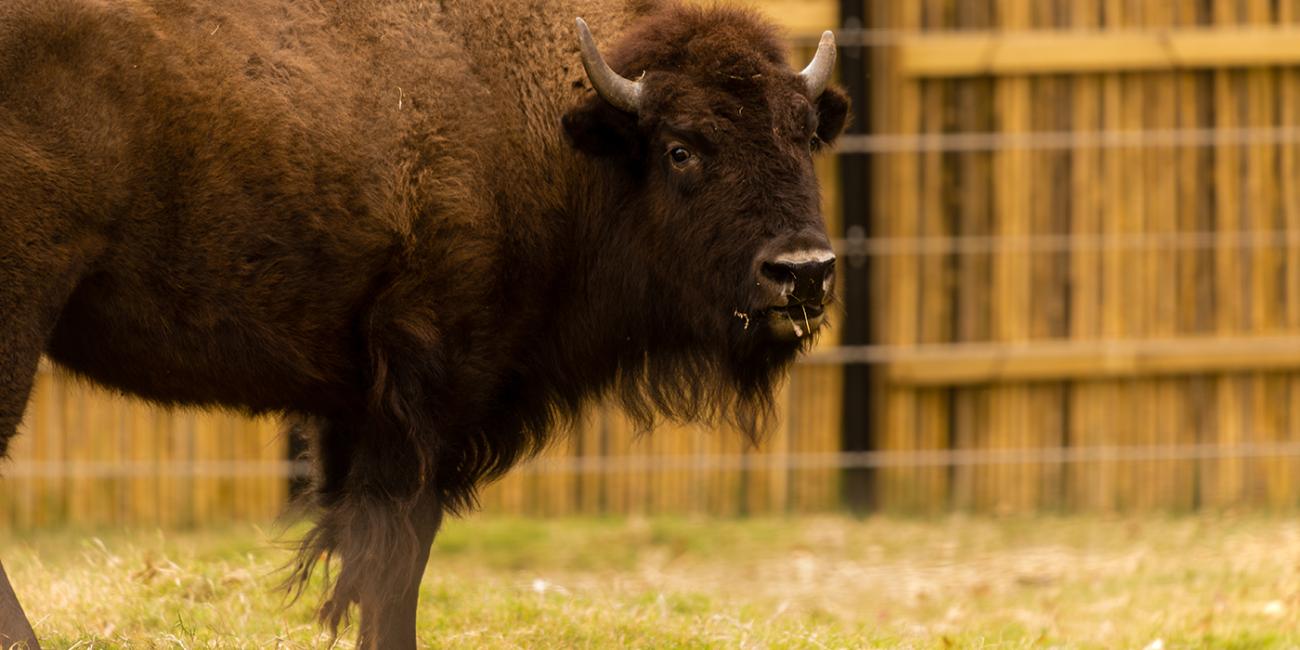
The American Bison exhibit is located down Olmsted Walk across from Panda Plaza.
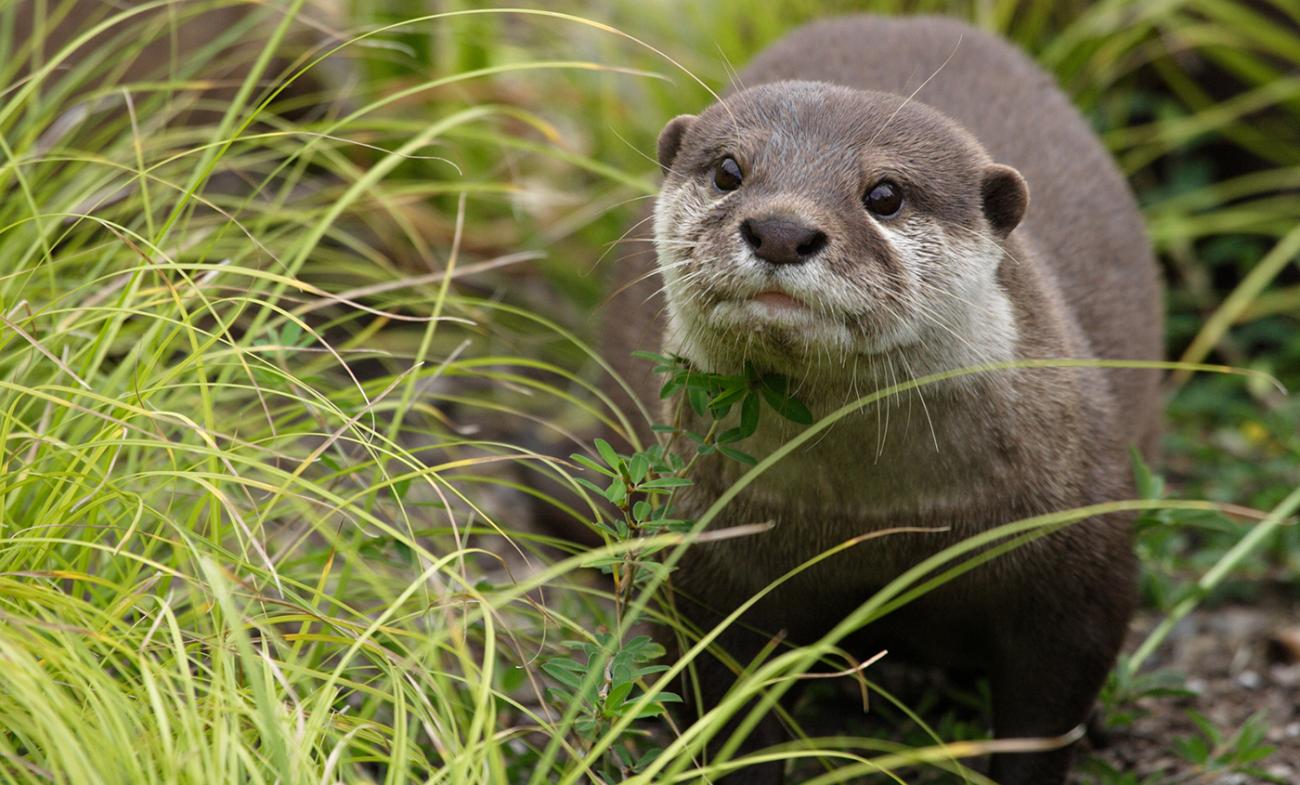
Asia Trail is located across from Africa Trail. Visitors can see red pandas, Asian small-clawed otters, fishing cats, clouded leopards and sloth bears.