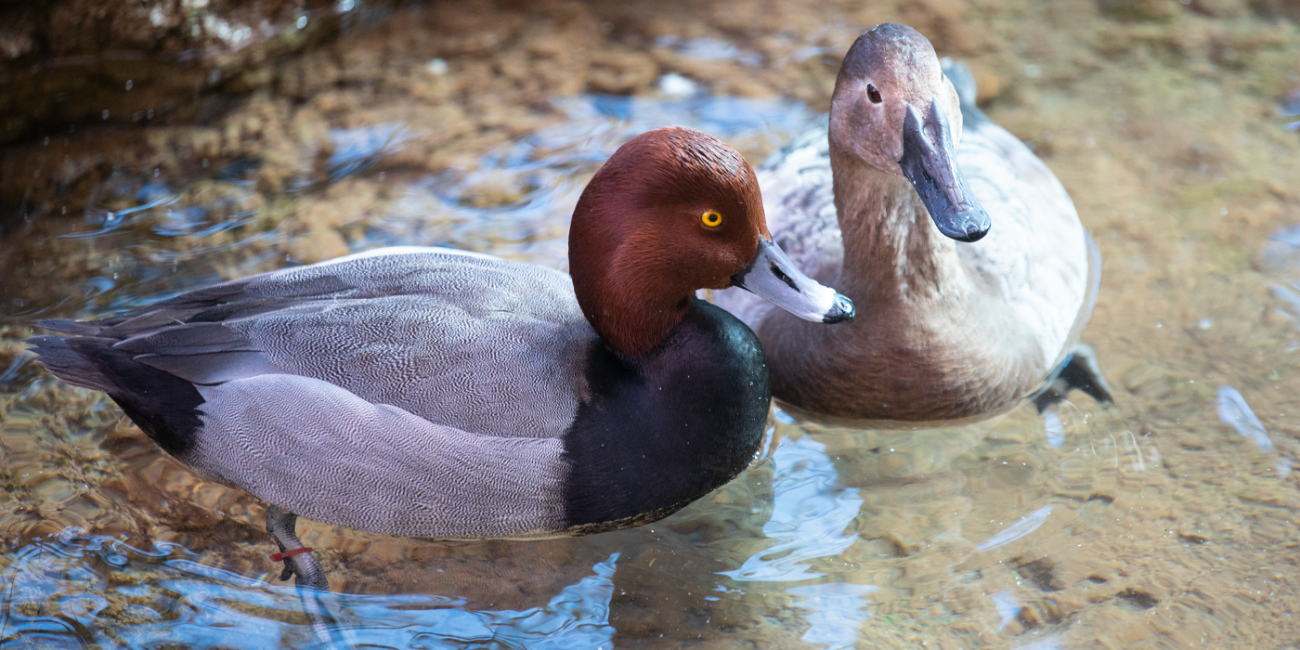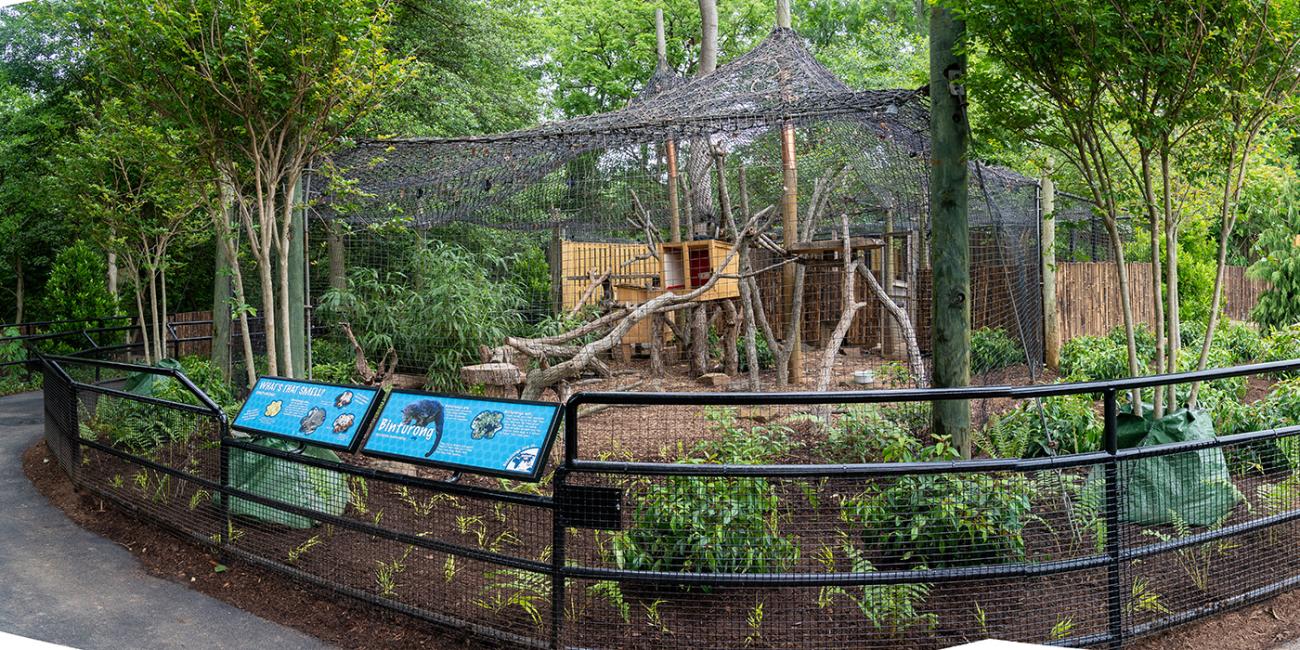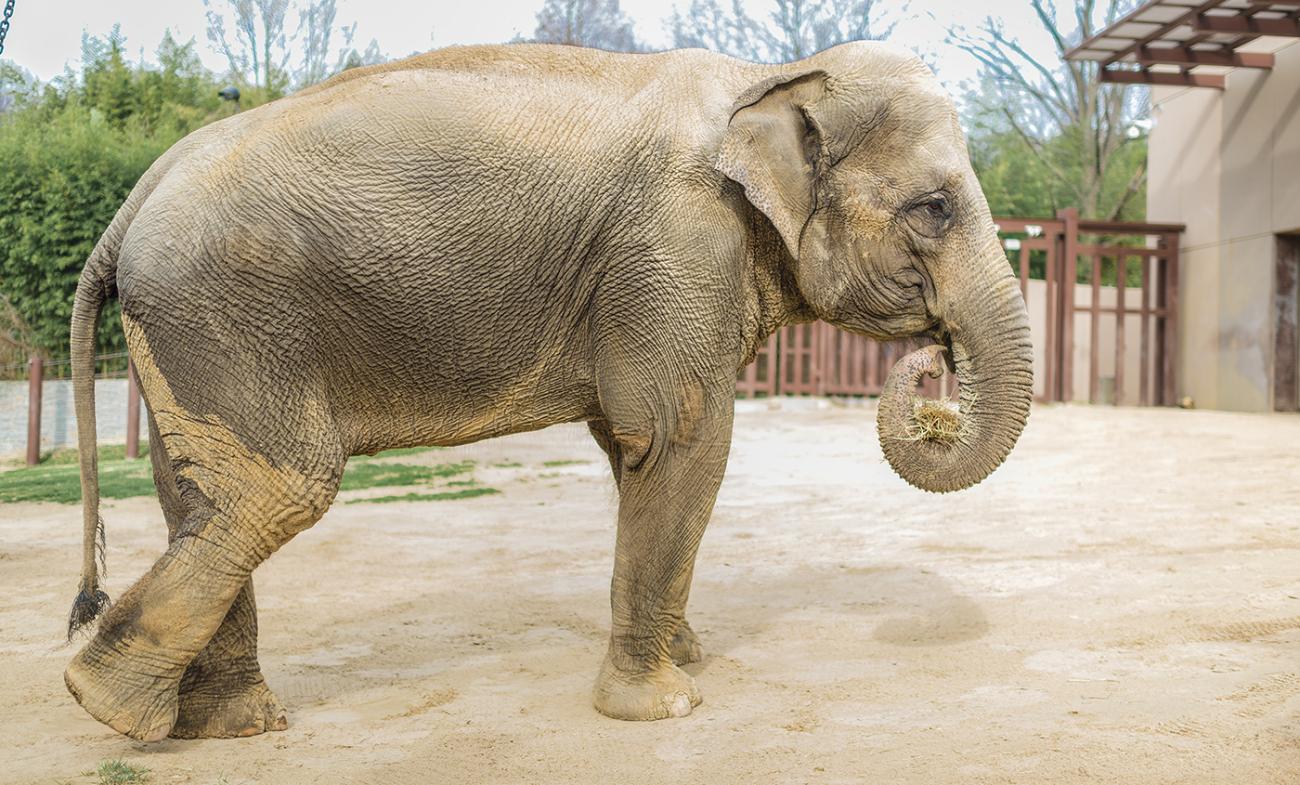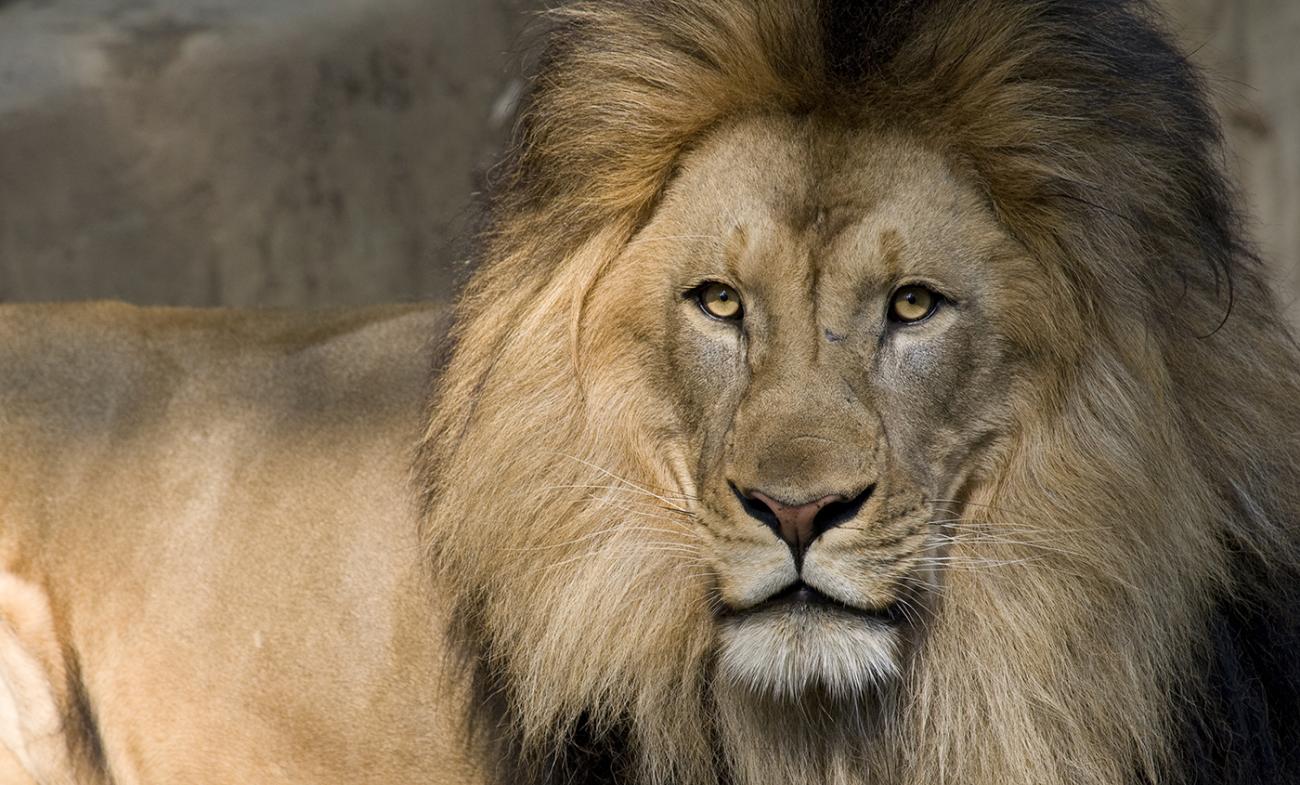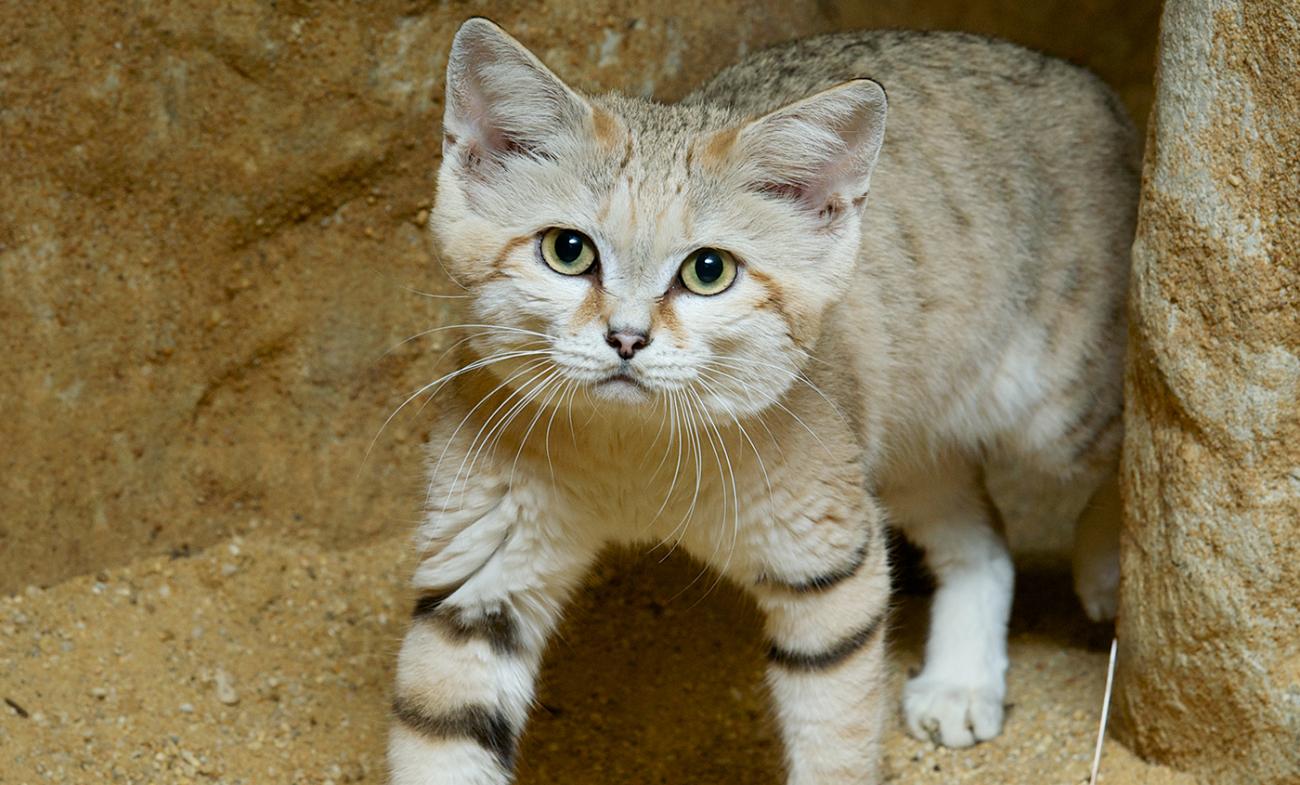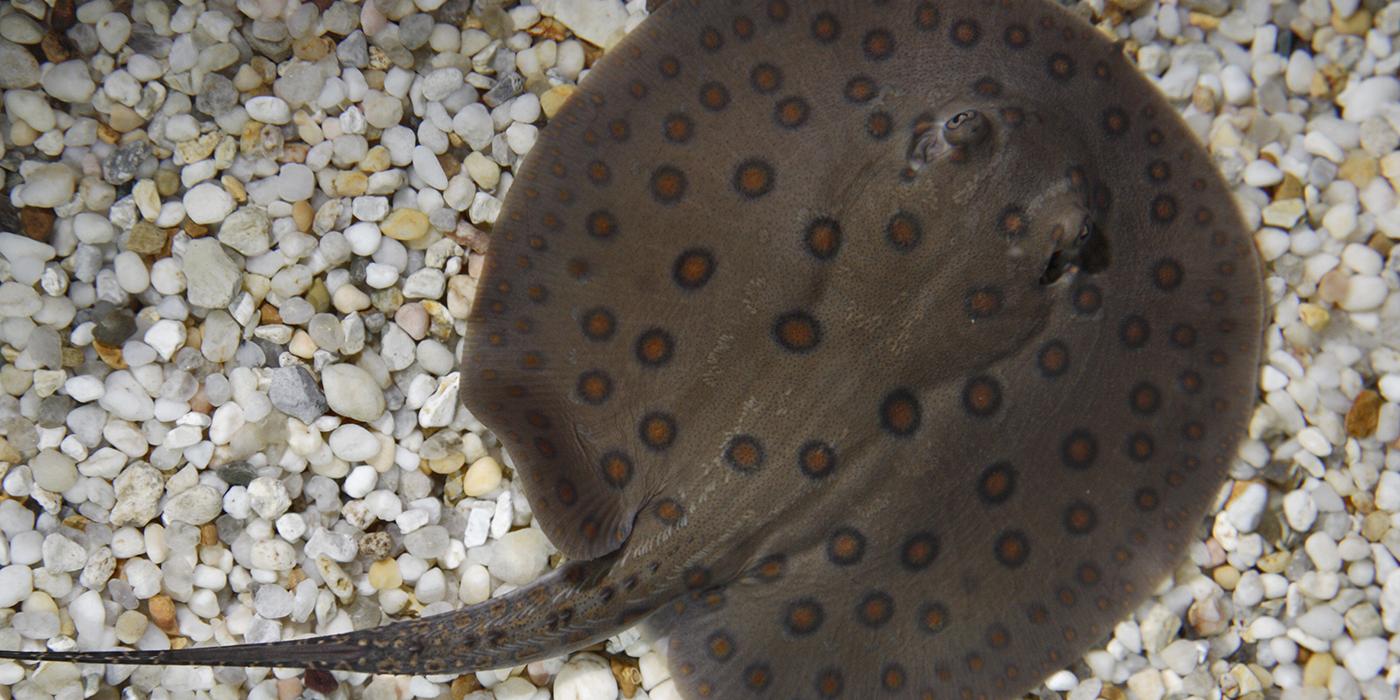
Animals in this Exhibit
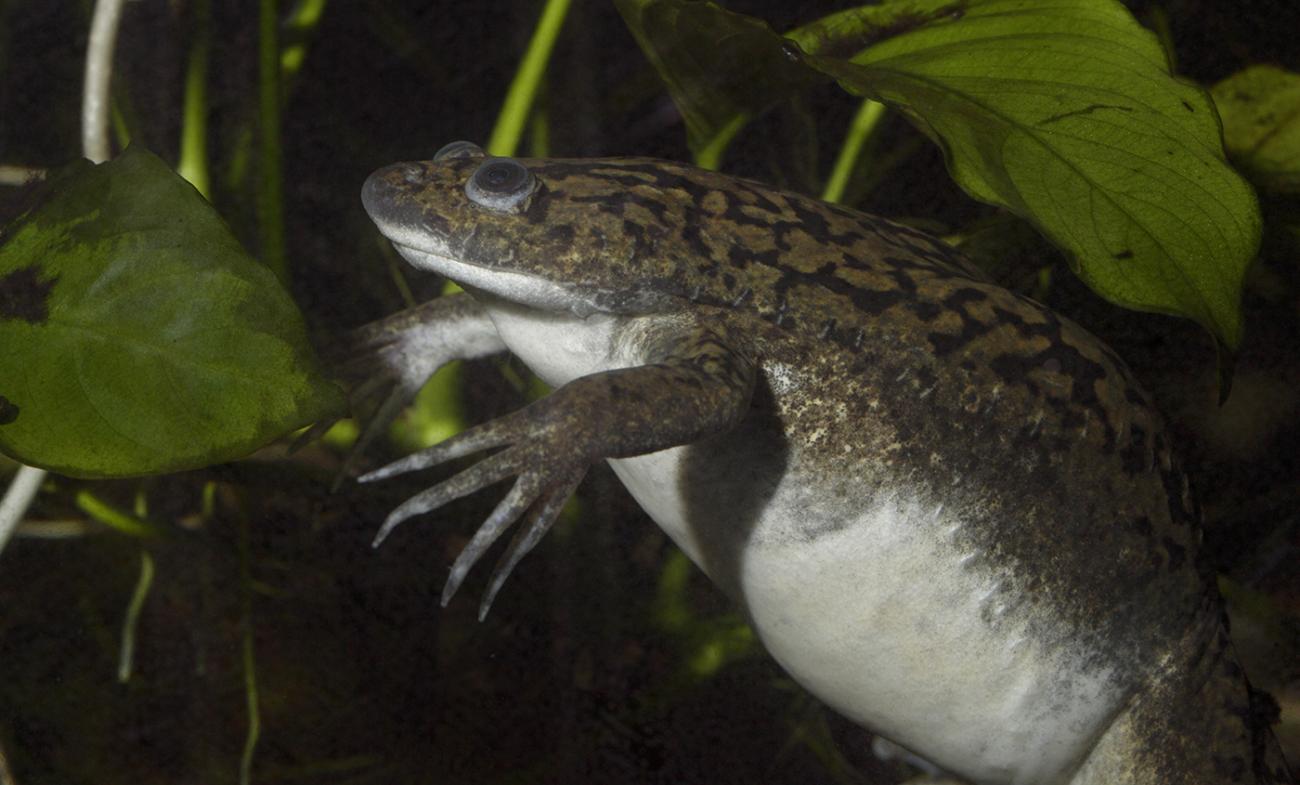
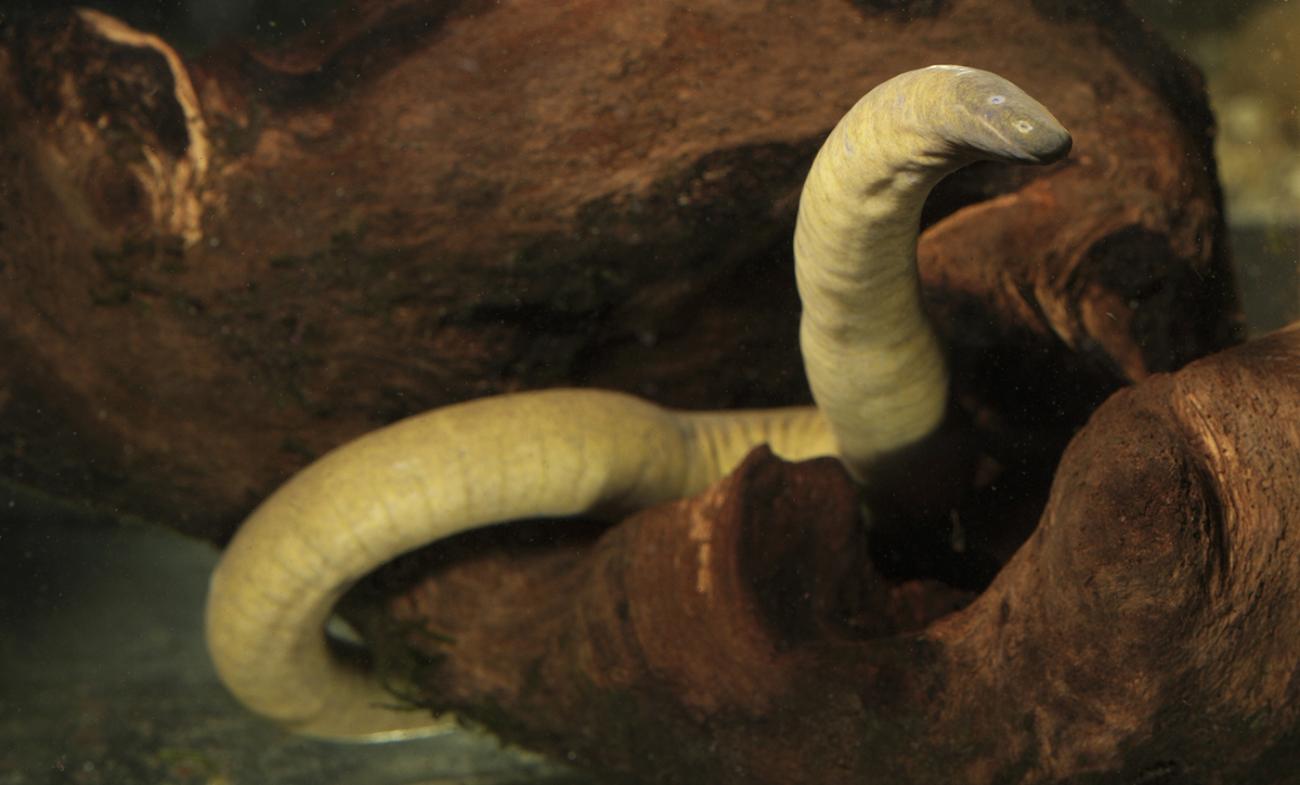
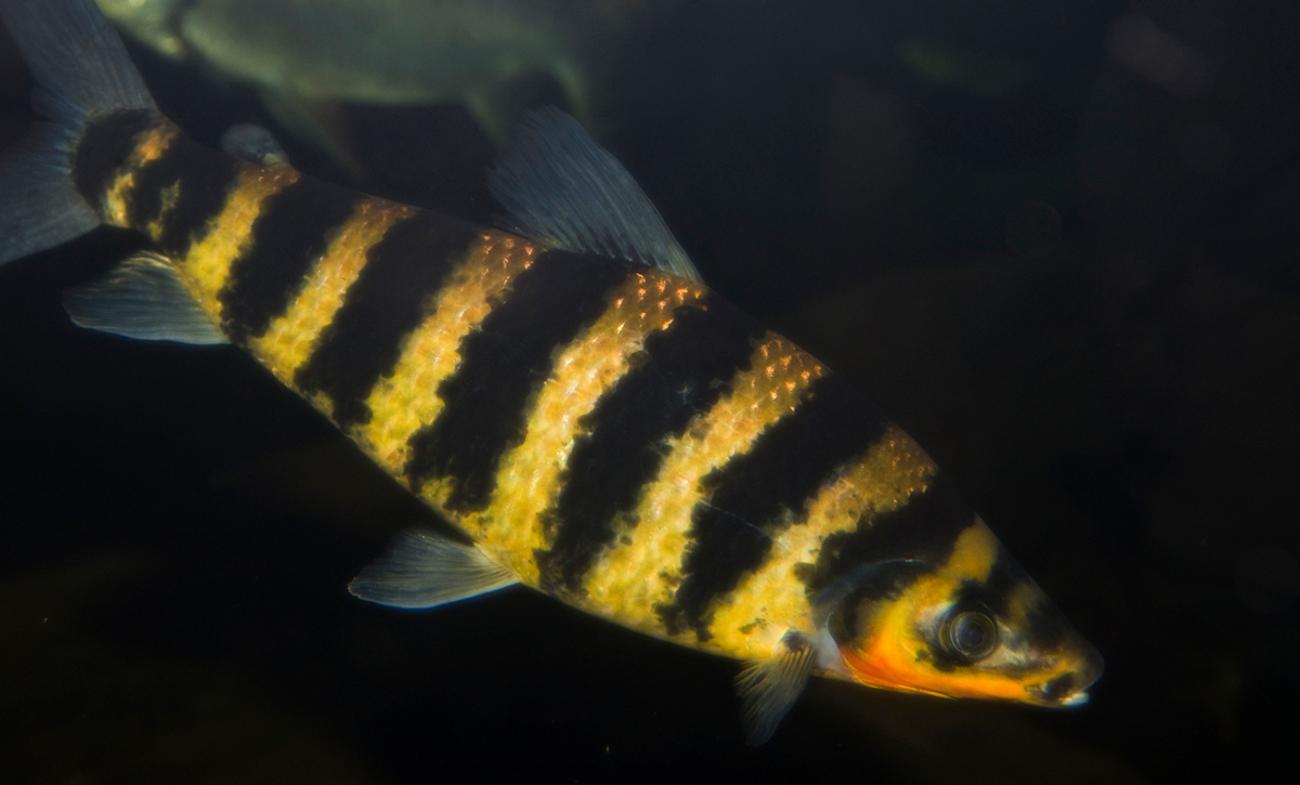
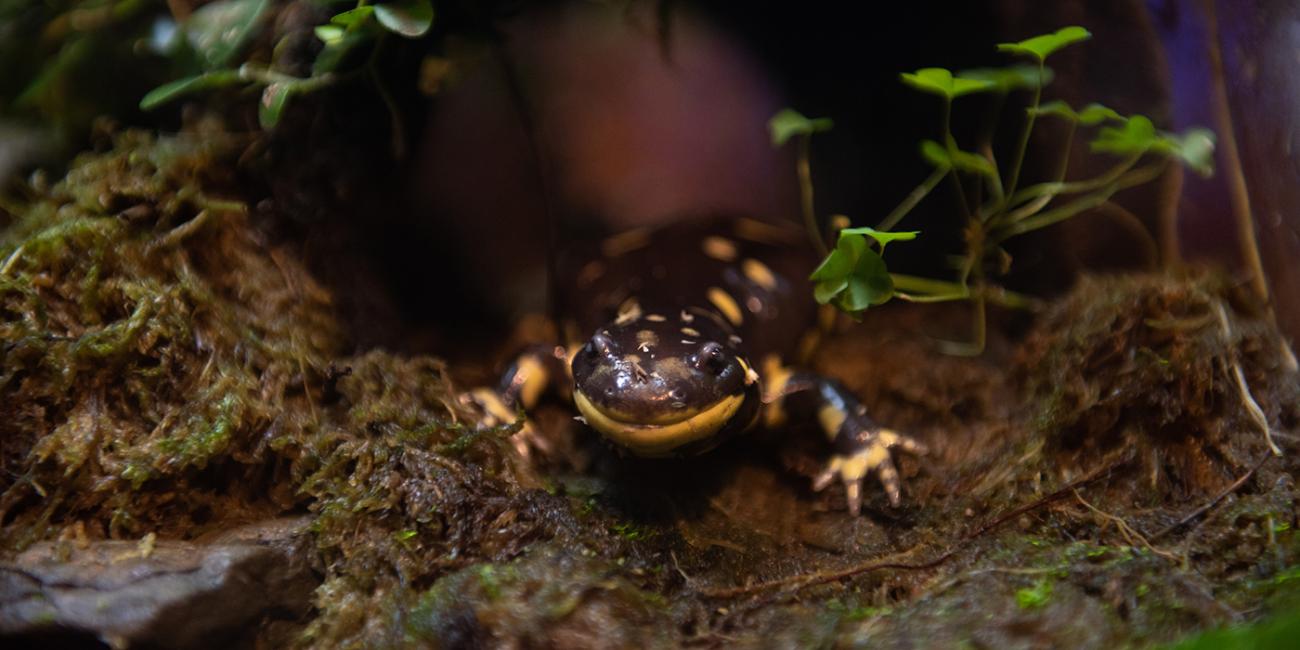
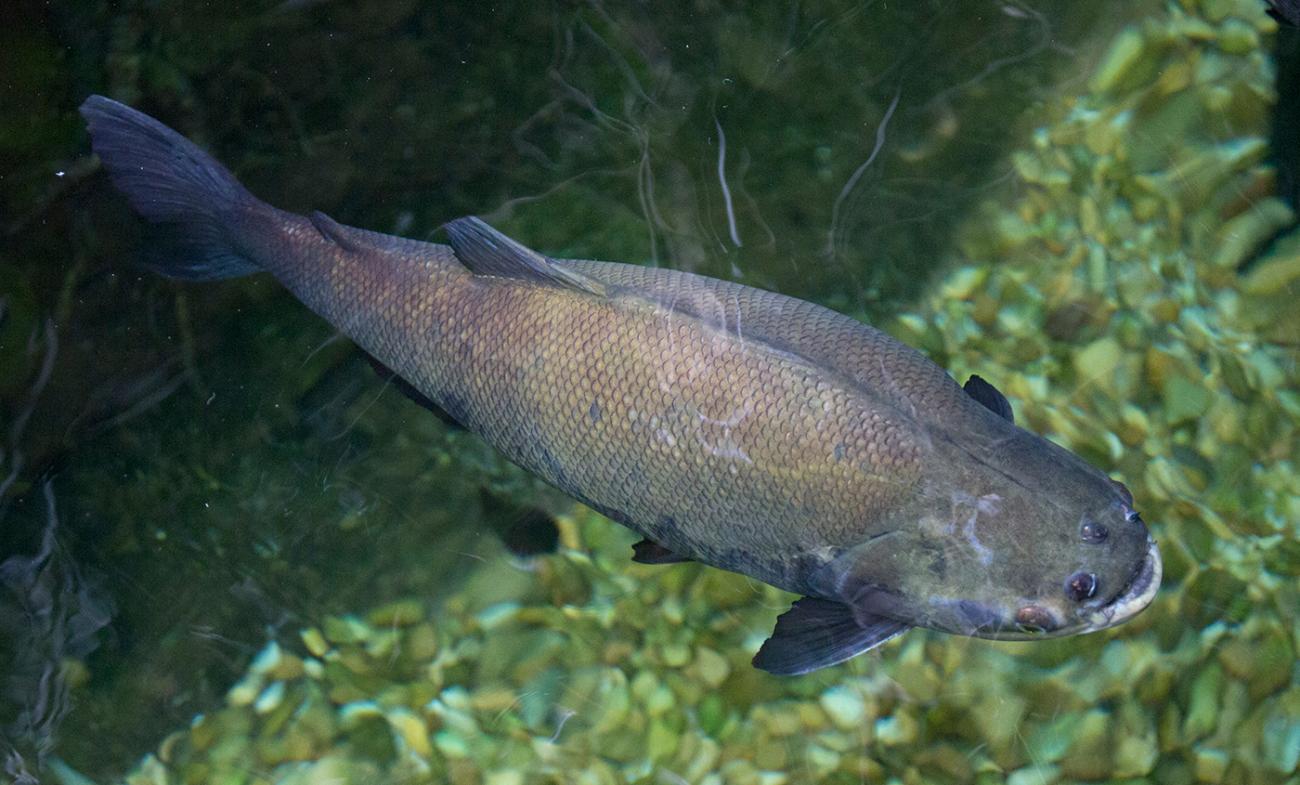
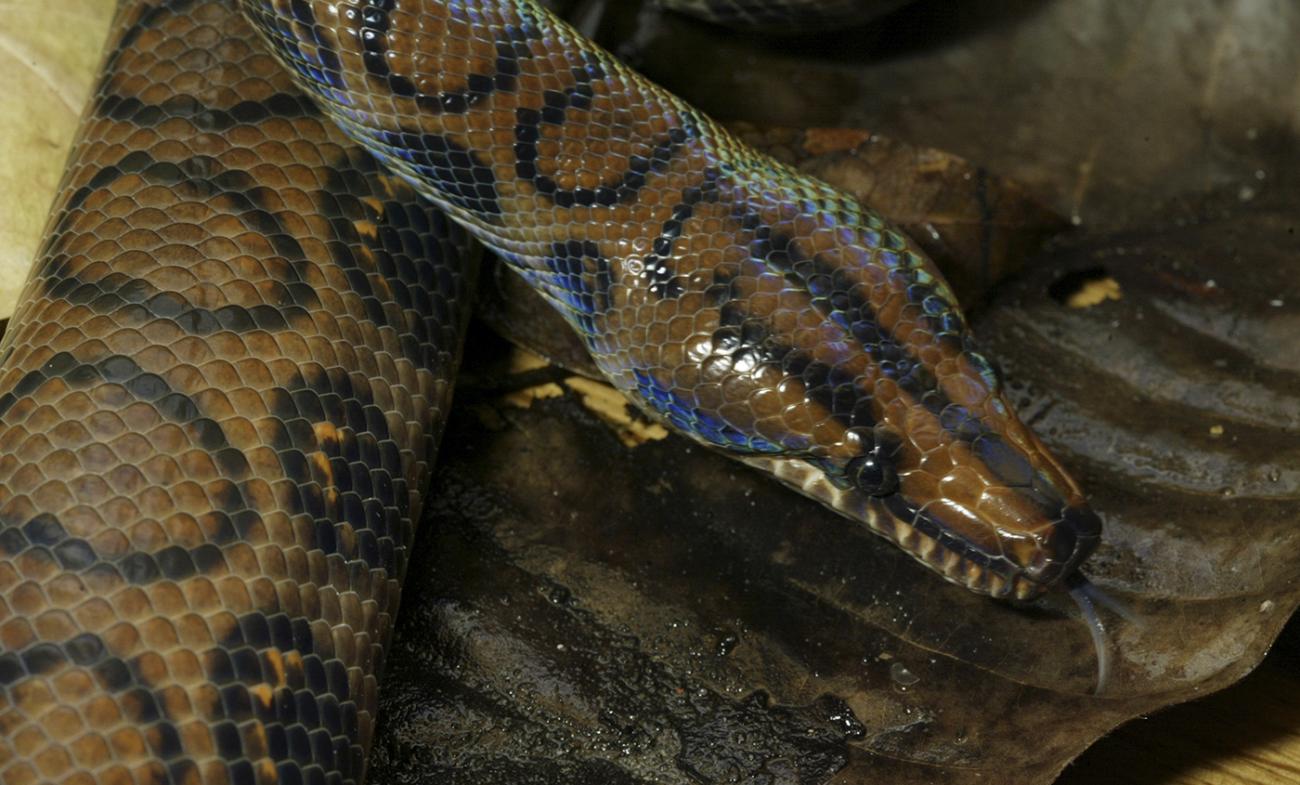
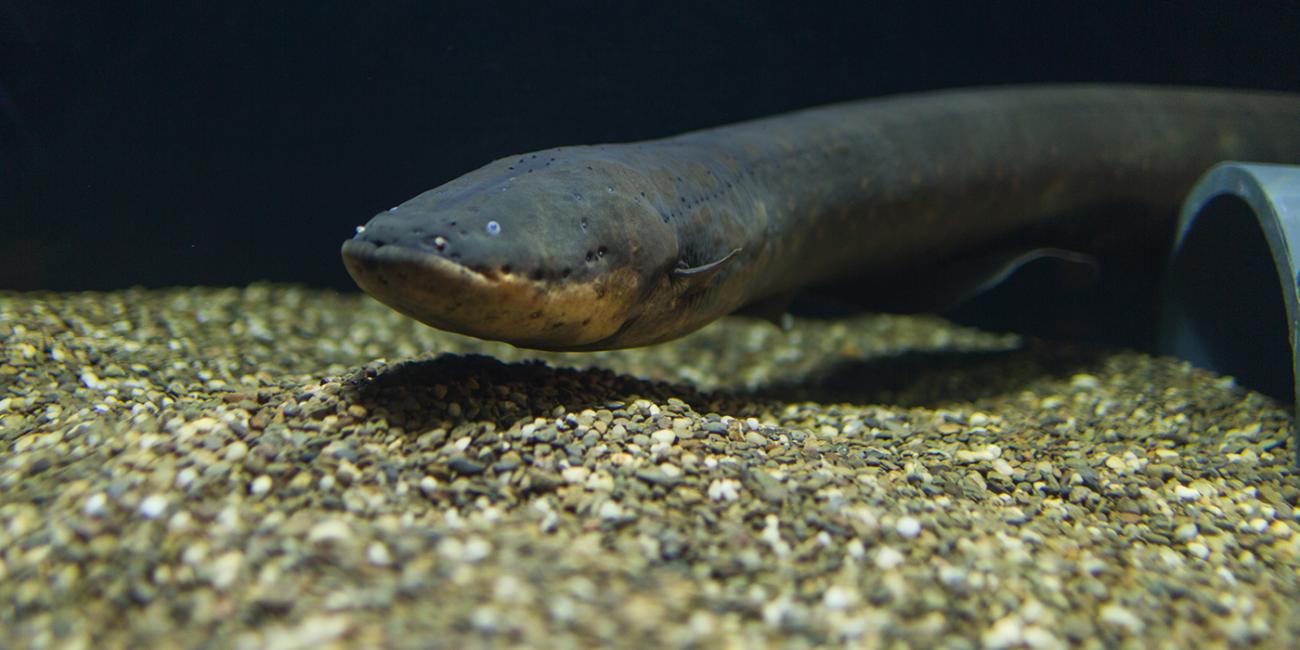
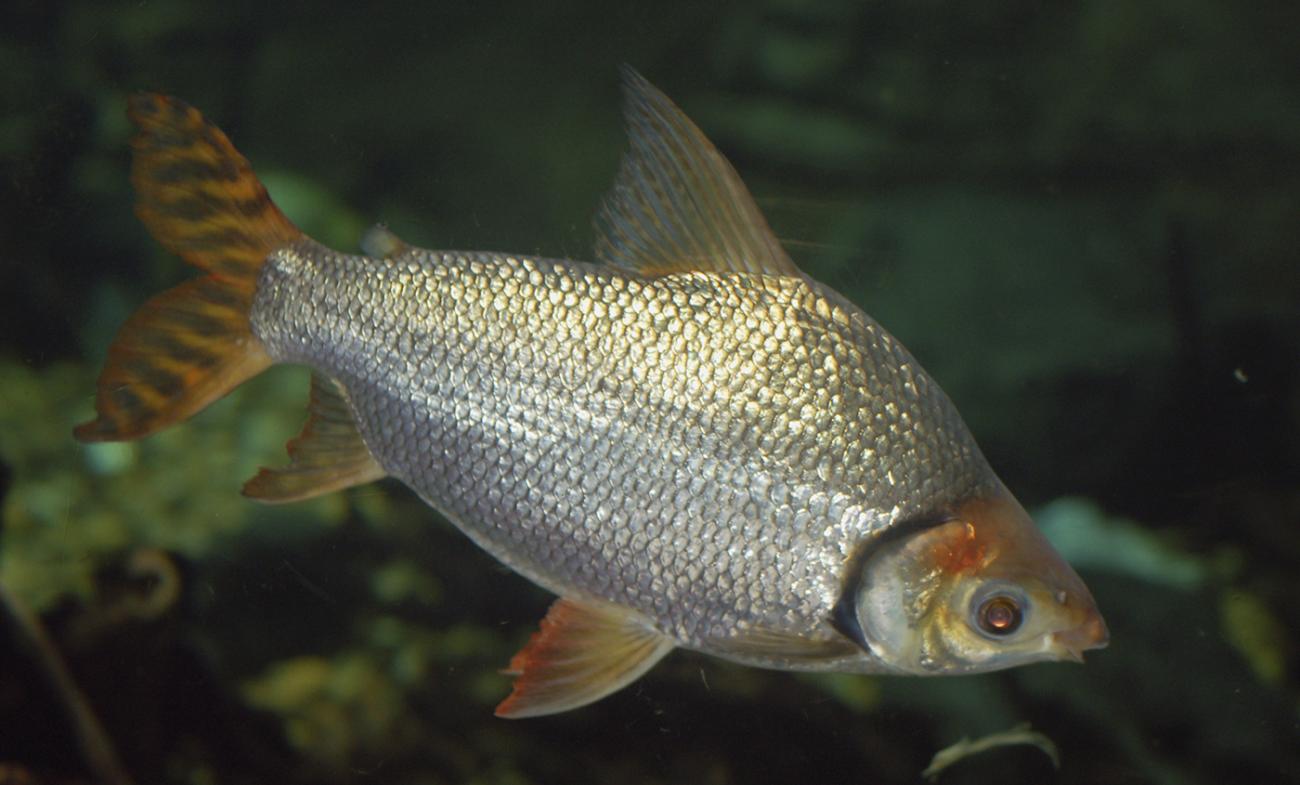
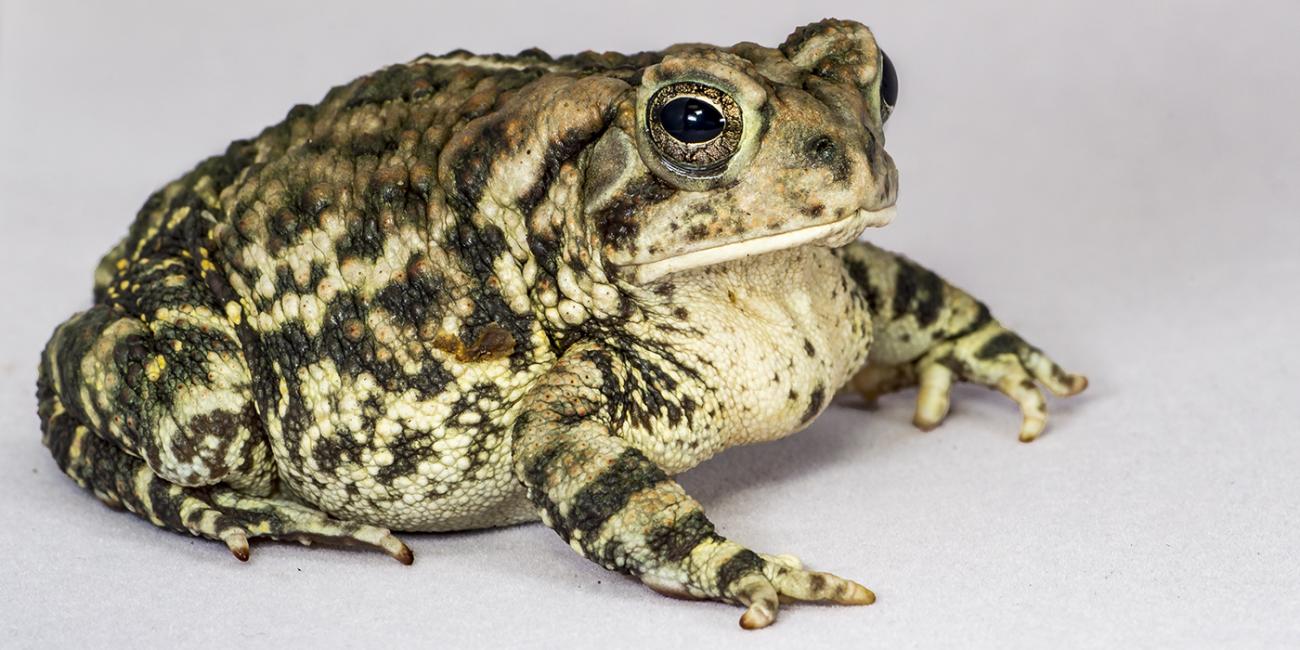
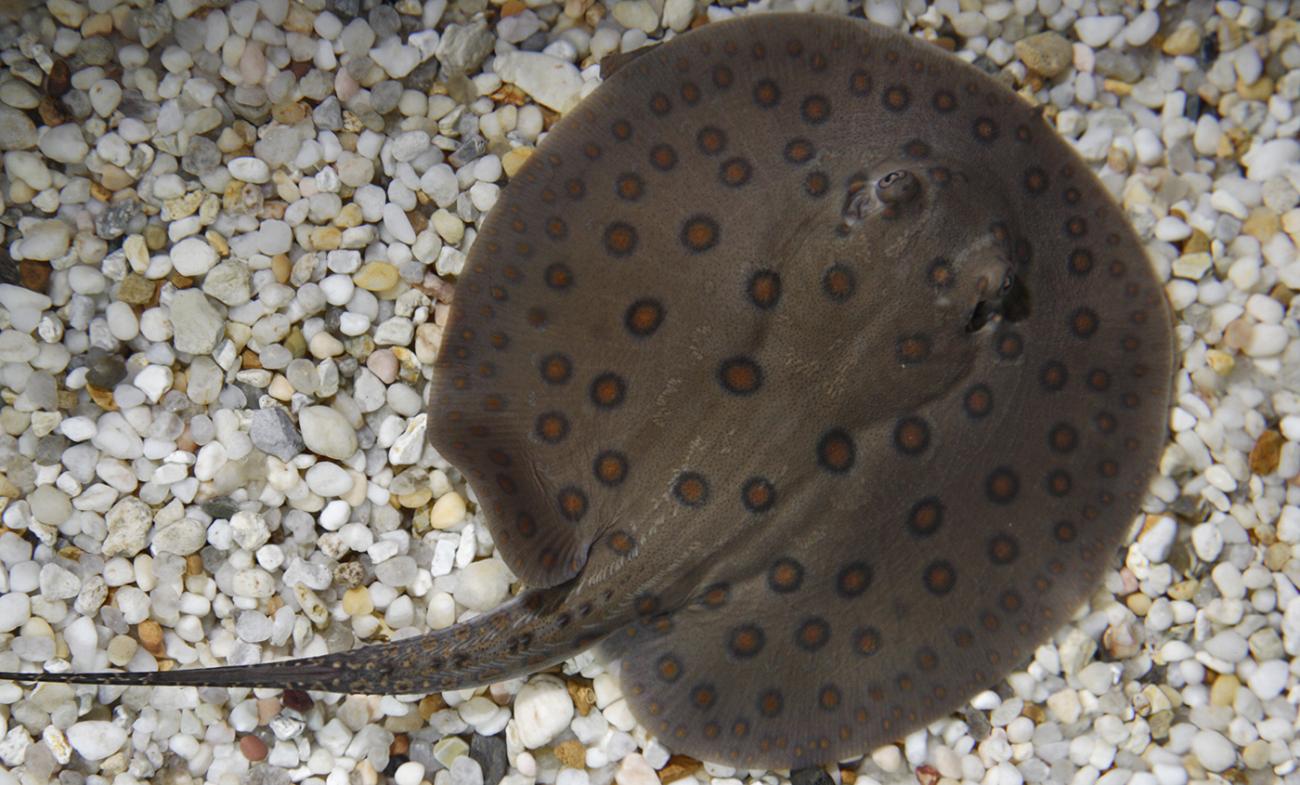
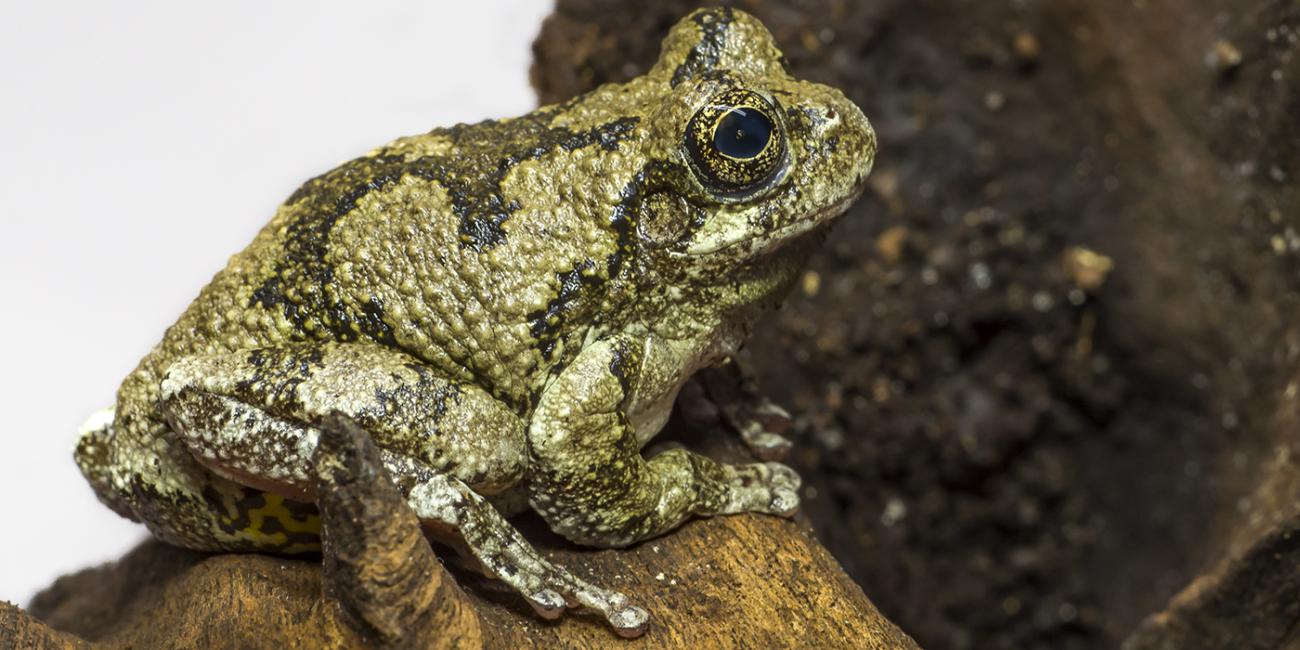
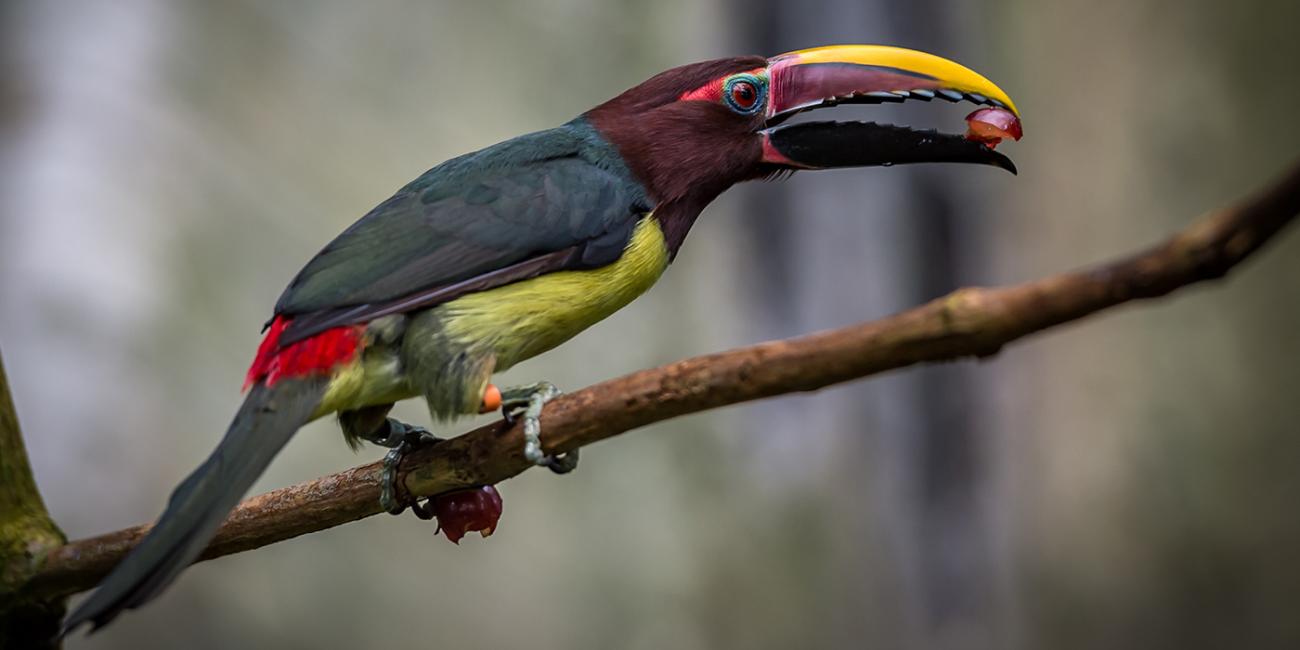
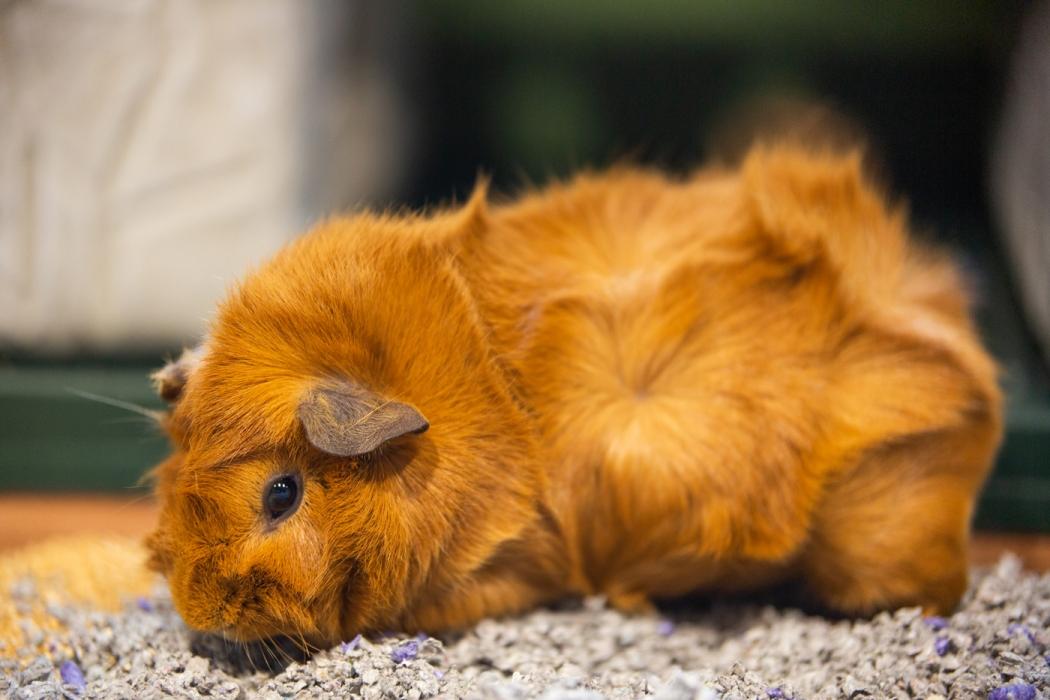
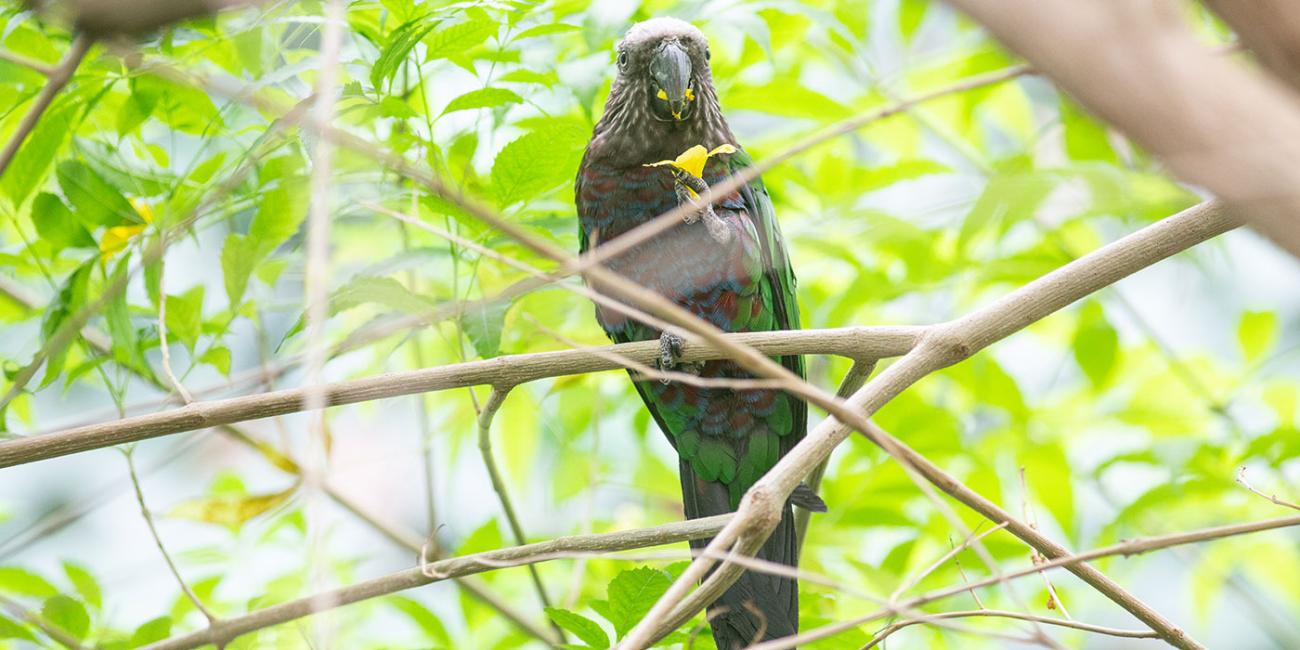
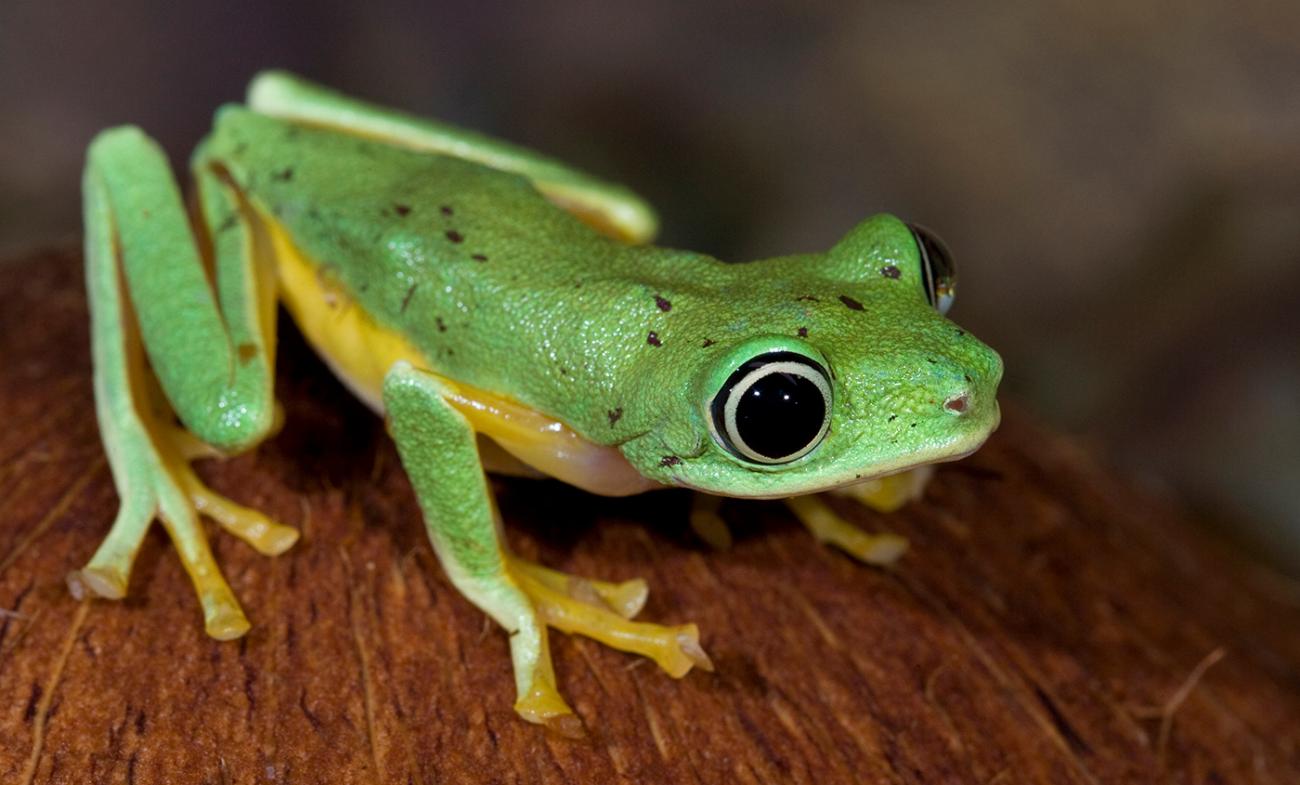
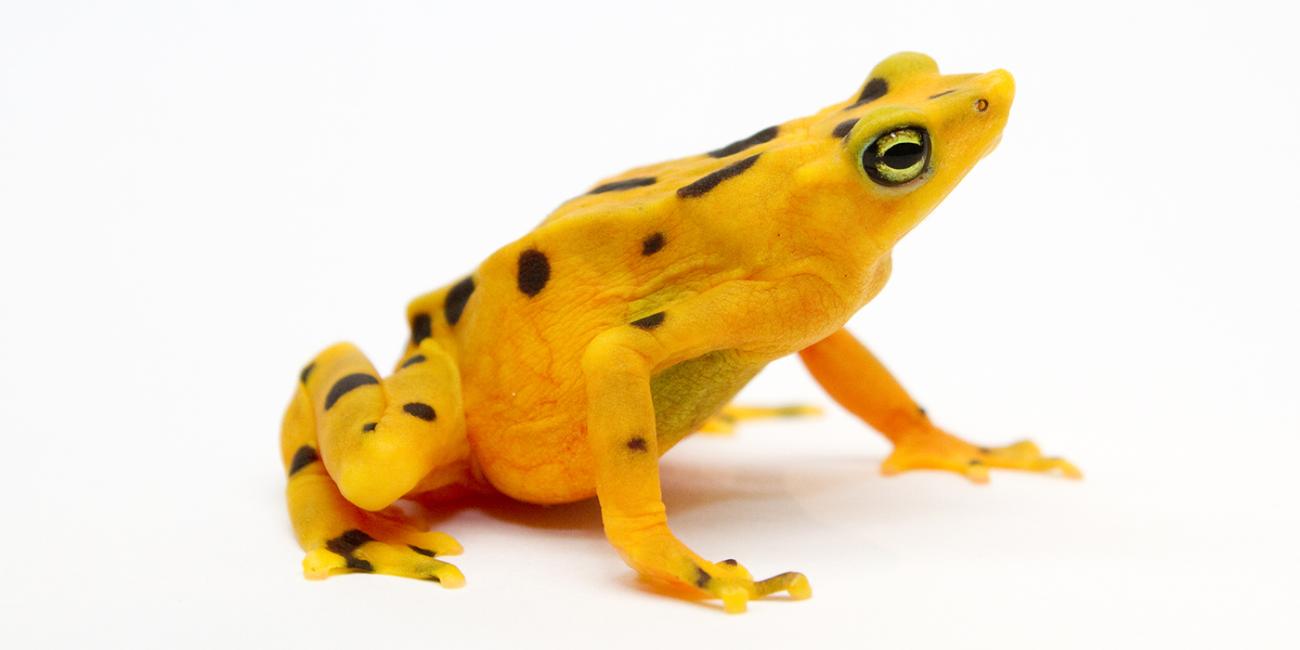
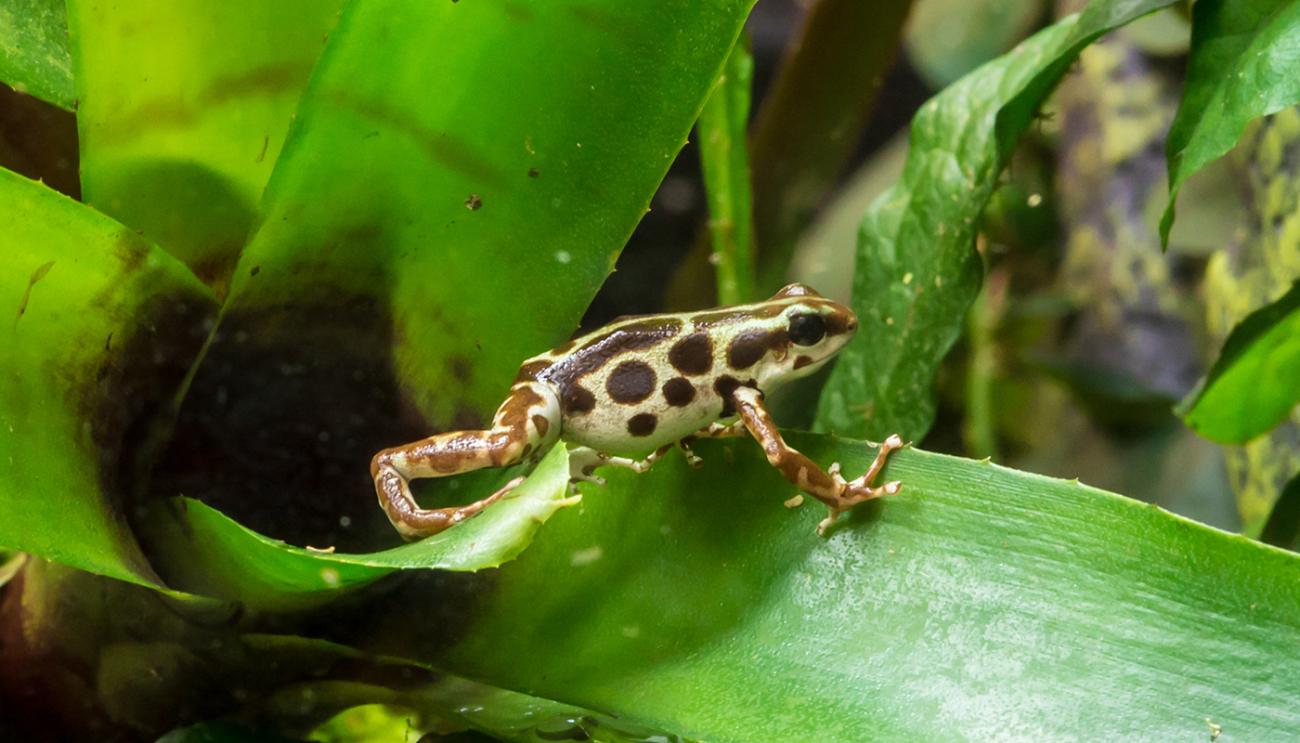
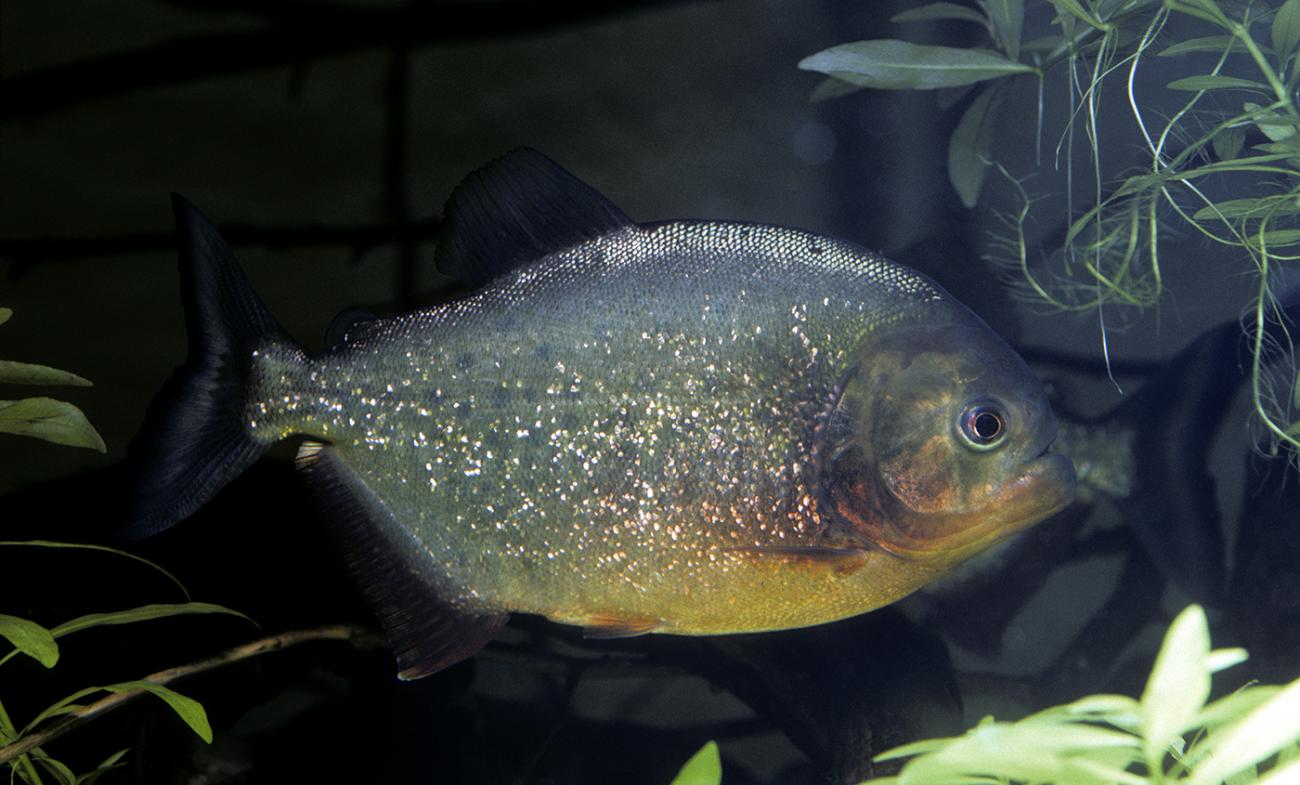
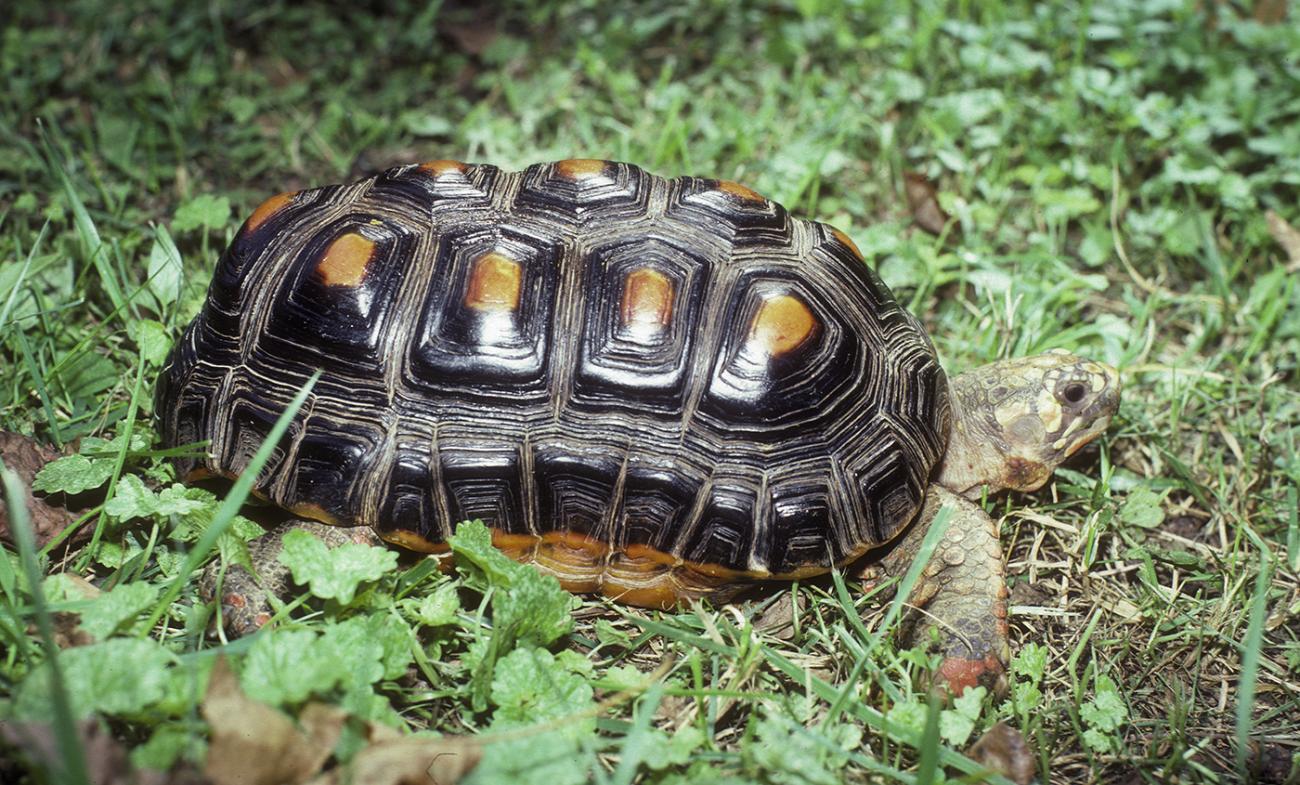
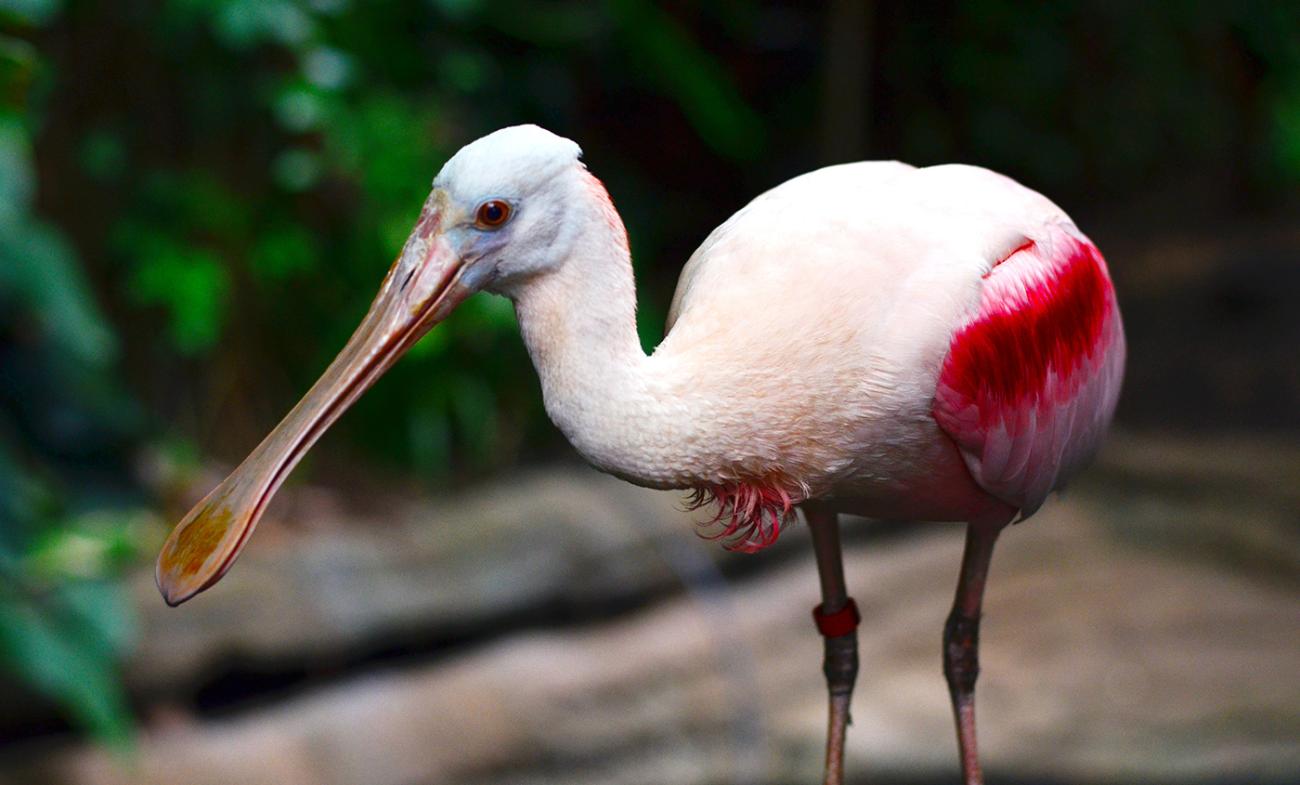
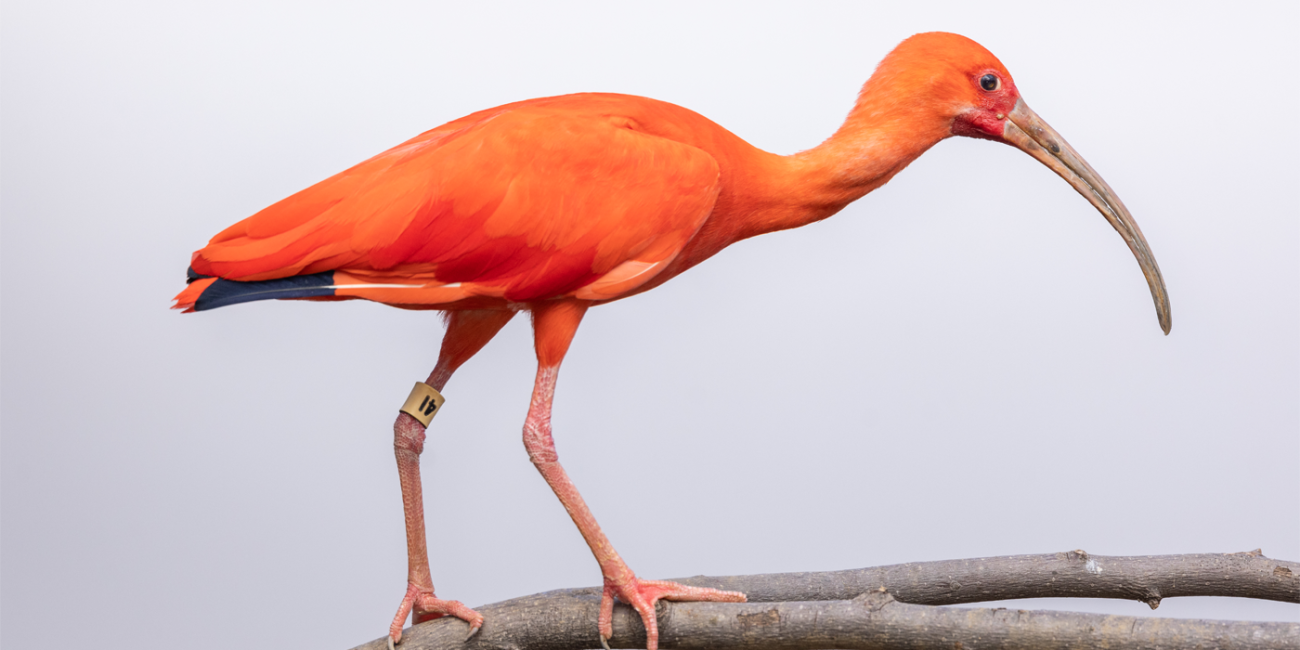
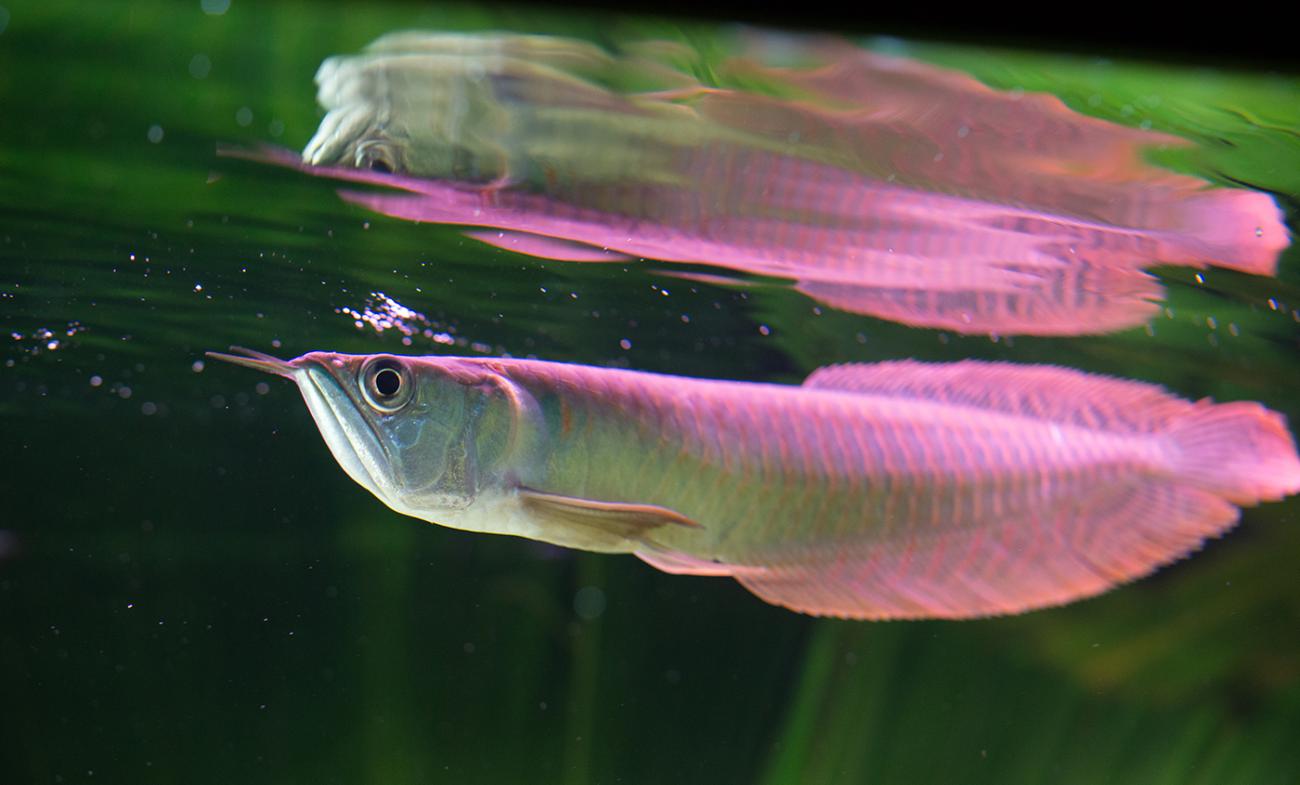
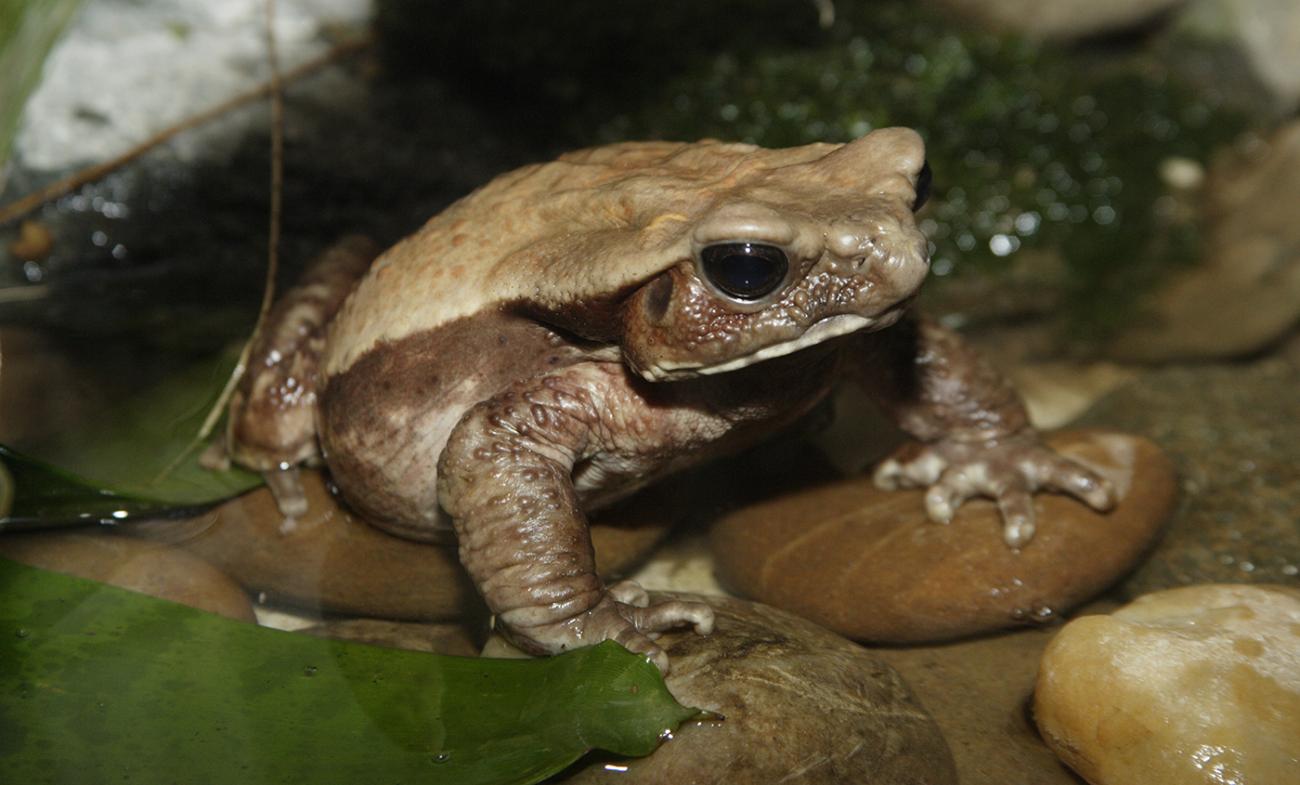
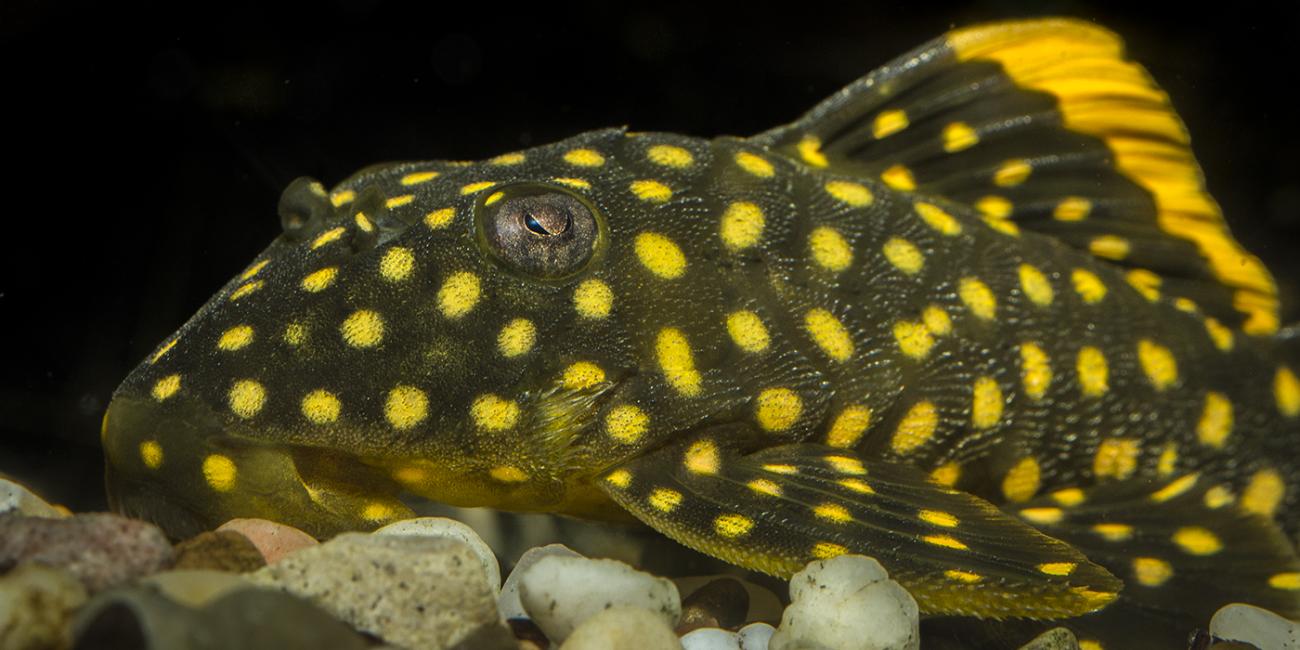
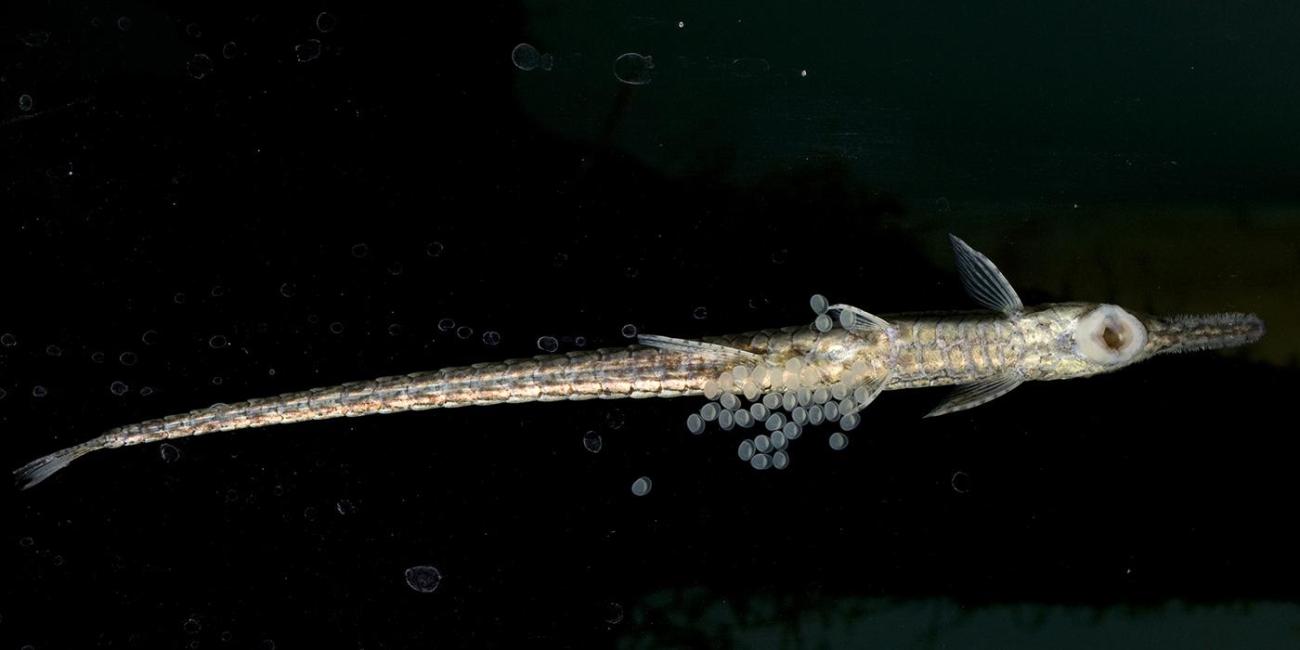
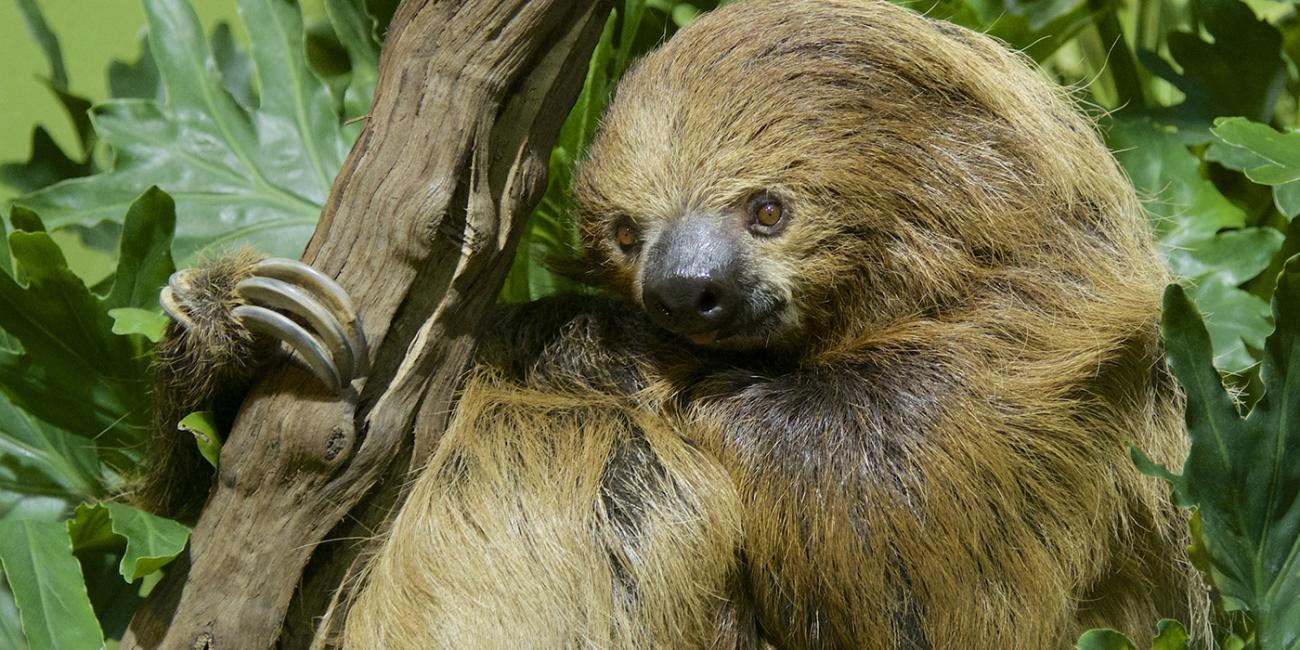
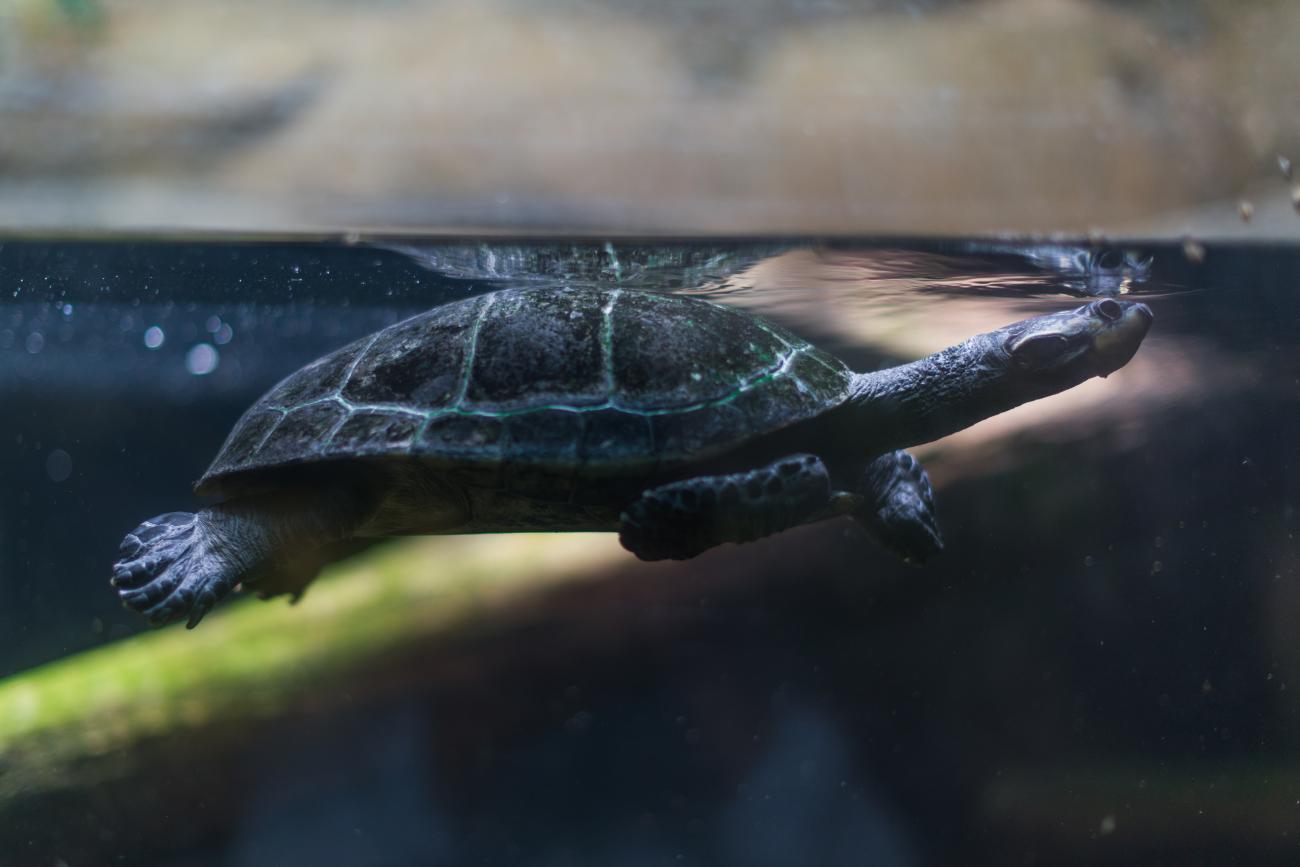
The Smithsonian’s National Zoo provides its animals with enrichment—physically and mentally stimulating toys, activities, social groups and environments. At Amazonia, enclosures were designed to mimic a tropical rainforest where dozens of mammals, birds, fish, reptiles and amphibians move freely throughout the exhibit.
Enrichment is tailored to each species, giving an animal the opportunity to use its natural behaviors in novel and exciting ways. Within Amazonia's dome, visitors find a living tropical forest with hundreds of species of plants, including 50-foot trees, tropical vines and epiphytes. Living kapok, avocado and cacao trees spread their roots in this enclosed habitat. Every tree, vine and stone was purposefully placed by Zoo staff to encourage animals to explore their enclosures. In the aquarium, lettuce and other vegetables are suspended from an array of feeders, encouraging the Arrau turtles to forage for food just as they would in the wild.
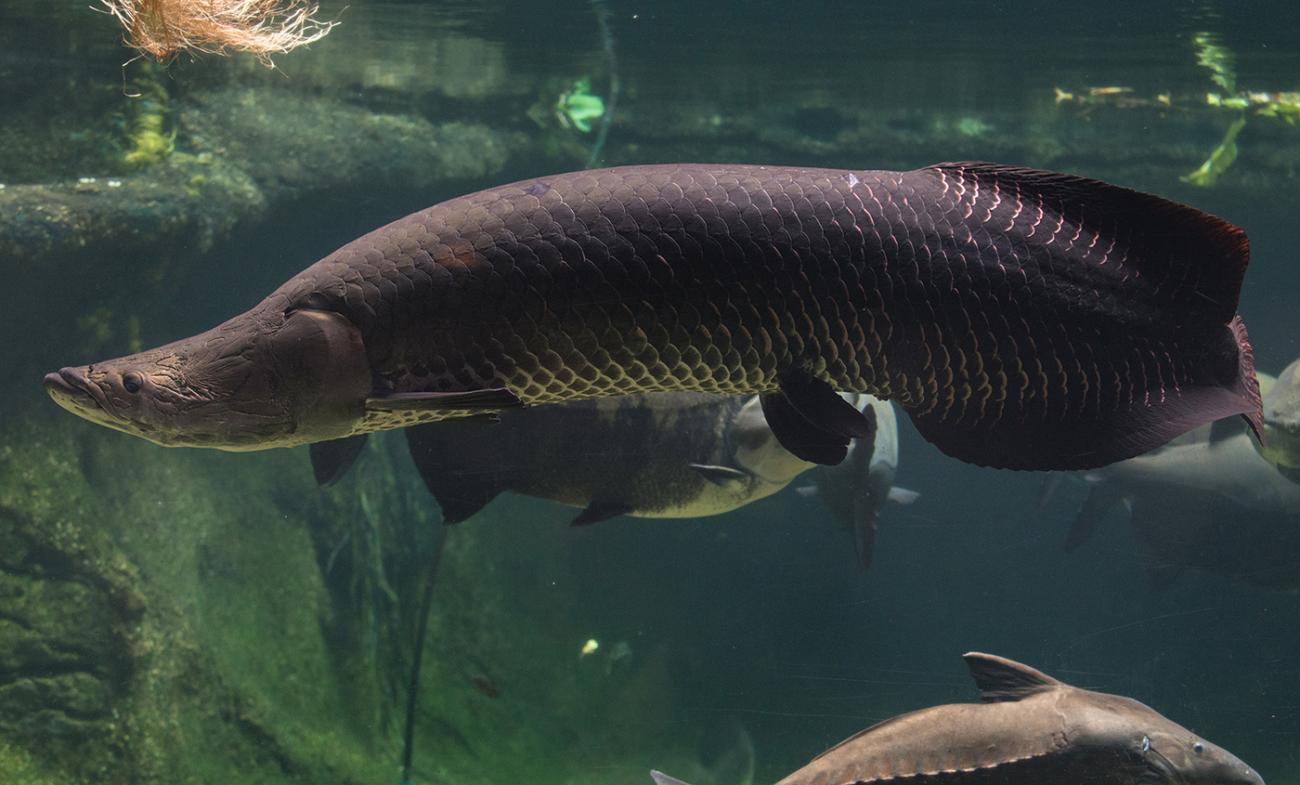
In addition to environmental enrichment, many animals participate in training sessions. This social enrichment provides the animals with exercise and mental stimulation while reinforcing the relationships between animals and keepers. Keepers are training the Zoo’s arapaimas to hold still and touch their noses to a target. Watch a video of the arapaima getting a checkup by Zoo veterinarians.
Restrooms are located in the Amazonia Science Gallery.
The Kids’ Farm exhibit is located adjacent to Amazonia. Visitors can observe and interact with cows, donkeys, and more at this location.
The Andean bear exhibit is located up the path from Amazonia. Visitors can learn about these South American bears and watch them climb up to the very top of the trees in their yards.
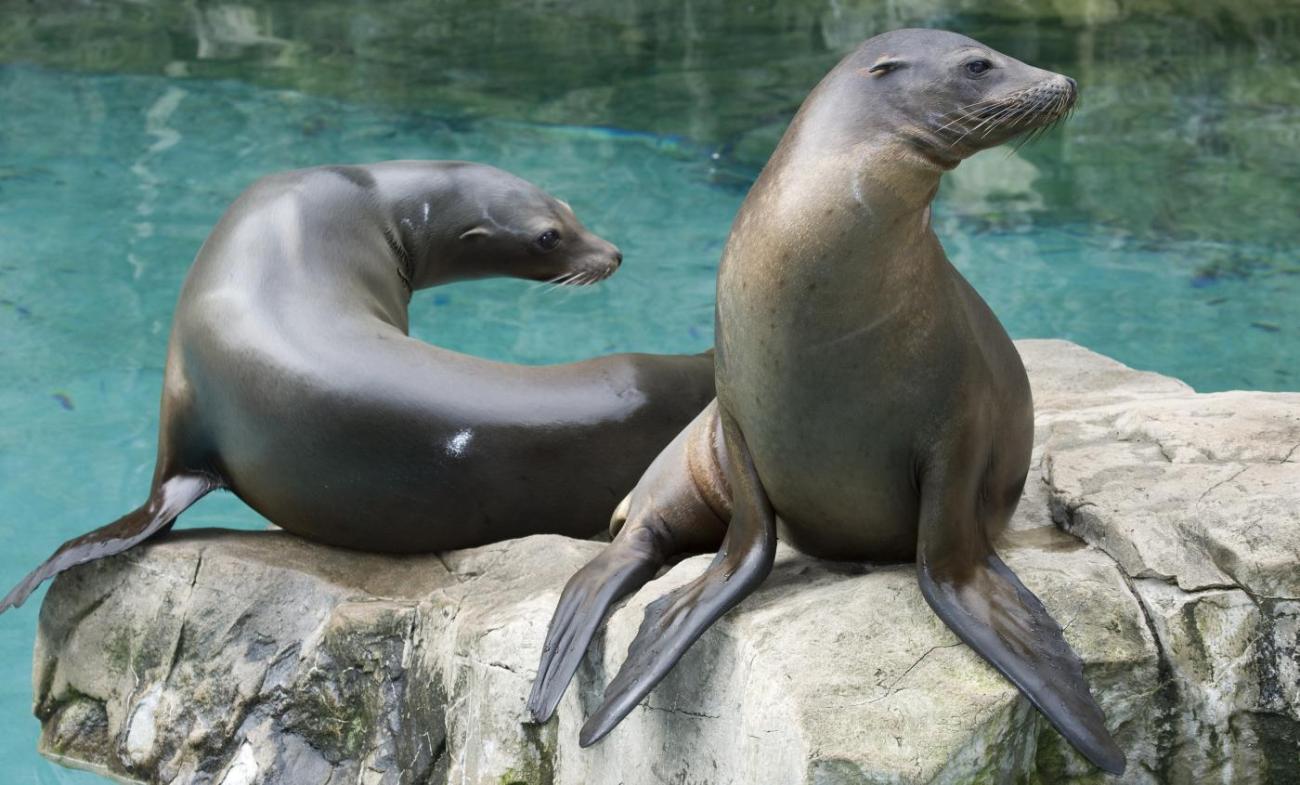
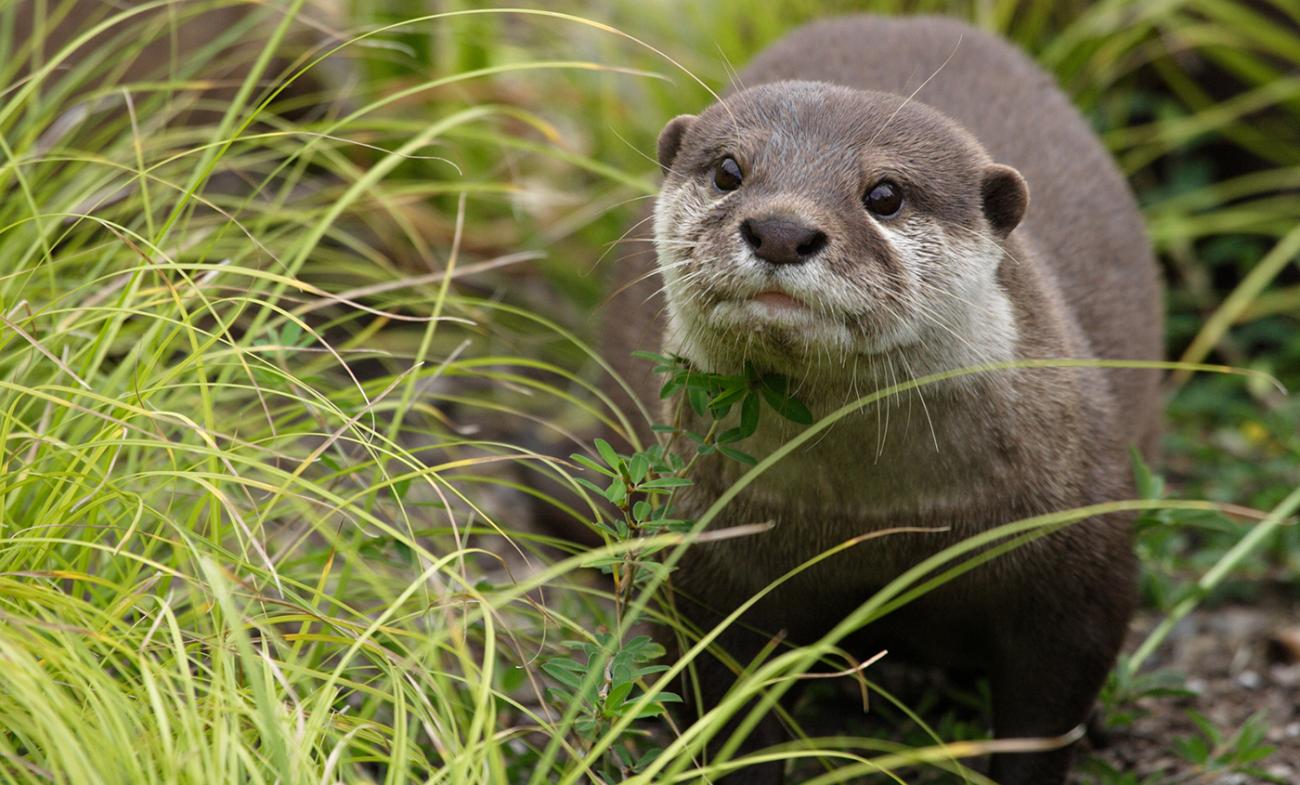
American Trail is located further up from Amazonia, past the Andean bear exhibit. Check out seals, sea lions, gray wolves, beavers, otters, ravens, and bald eagles at this location. At 11:15 a.m. and 1:15 p.m. daily, visitors can watch training demonstrations that highlight the pinnipeds’ natural behaviors.
The Seal Rock Café (open seasonally) offers wraps, sandwiches, hot dogs, salads, and peanut butter and jelly sandwiches. For an afternoon treat, try the hand-dipped ice cream.
Frogs and Amphibians
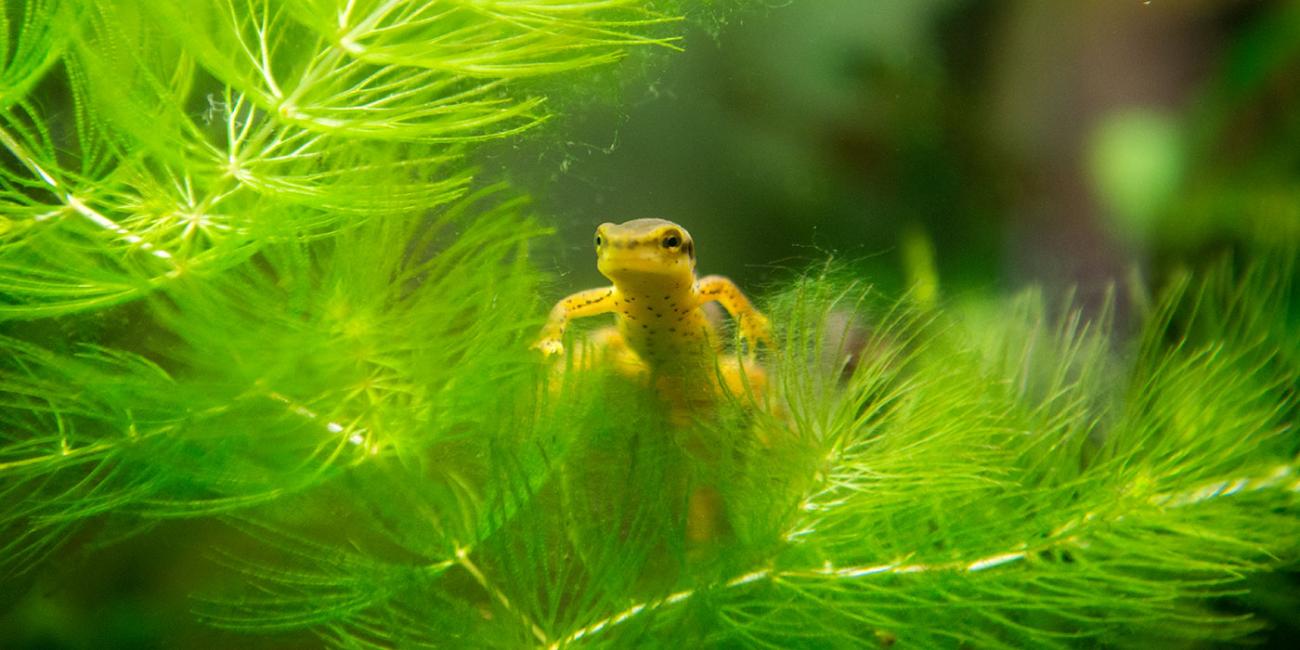
In 1999, Smithsonian’s National Zoo and Conservation Biology Institute (SCBI) scientists worked with a researcher at the University of Maine to describe a chytrid fungus that causes the deadly amphibian skin disease chytridiomycosis. Since then, the understanding of amphibian decline and this disease has improved greatly. Scientists now suspect that amphibian chytrid fungus originated in southern Africa. Chytrid threatens amphibians in the biodiverse hotspots of Central and South America, with more than 25 to 30 species at risk.
The Panama Amphibian Rescue and Conservation Project (PARCP) was launched in 2009 as a partnership between Africam Safari, Defenders of Wildlife, Cheyenne Mountain Zoo, Houston Zoo, the Smithsonian's National Zoo and Conservation Biology Institute, Summit Municipal Park, Smithsonian Tropical Research Institute and Zoo New England. The goal is to build resources and improve expertise in Panama so that Panamanians can conserve their unique biodiversity of amphibians. On April 8, 2015, PARCP opened a rescue lab at the Gamboa Amphibian Research and Conservation Center to house colonies of amphibians threatened by the deadly chytrid fungus. Read more about how SCBI scientists are working to save frogs and amphibians.
Corals
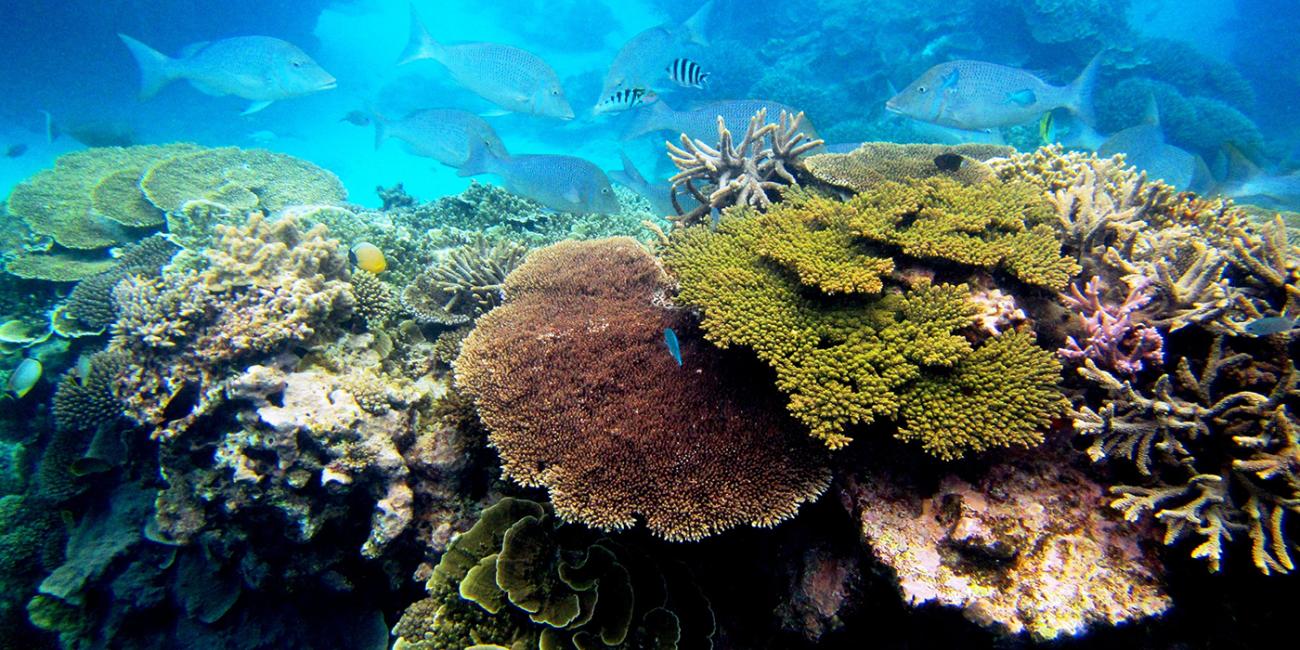
Throughout the world, coral reefs are dying. Locally, reefs are damaged by pollution, nutrients and sedimentation from poor land-use, fishing and mining practices. Globally, increased greenhouse gases are warming and acidifying oceans, making corals more susceptible to stress, bleaching and newly emerging diseases, causing a widespread reef crisis. SCBI scientist Dr. Mary Hagedorn is pioneering low-cost, high impact reproductive technology to offset the effects of climate change on reefs. She has produced coral from frozen banks, setting the stage for exciting advancements for "assisted evolution" that will produce robust hybrids more resistant to warming and acidification.
Using procedures similar to those used in human sperm banks, Smithsonian scientist Dr. Mary Hagedorn and her team have developed techniques that allow them to freeze and store coral sperm and stem cells, and in the future, possibly even adult coral fragments. Coral genetic material frozen in this way can be viable for hundreds of years. The frozen sperm can be used to generate new corals and to strengthen small populations by adding genetic diversity. Advances in human stem cell biology may one day allow the frozen stem cells to produce new adults. Click here to read more about coral preservation.
Watch the short film, "Spawning Hope," to find out how Smithsonian researchers are bringing new hope to the future of coral conservation and restoration.