Animals in this Exhibit
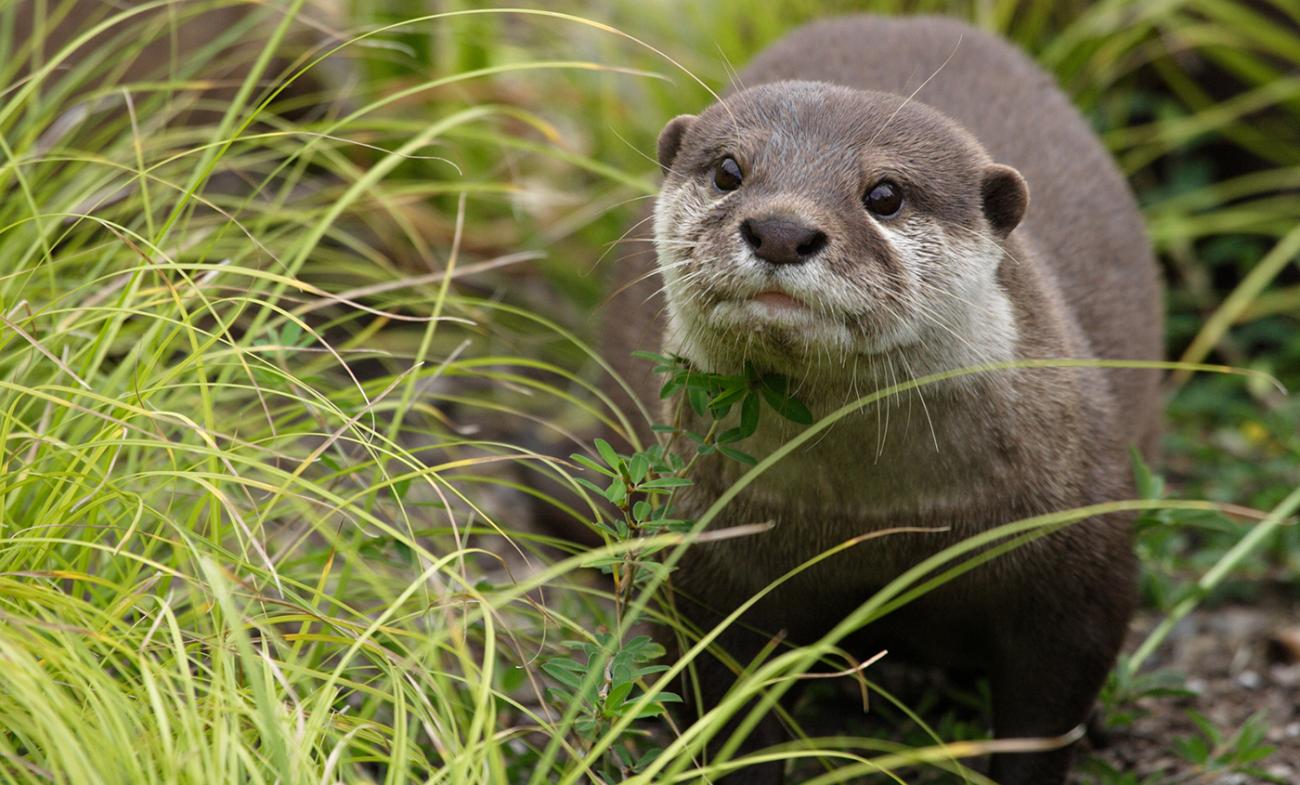
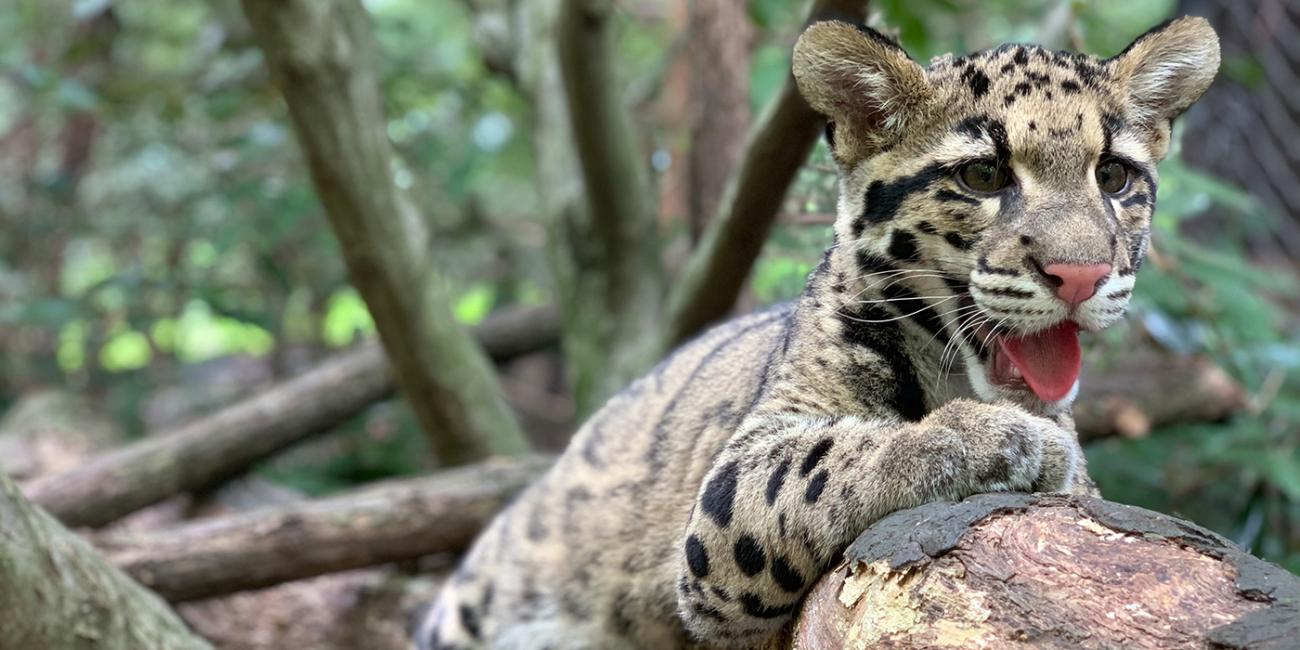
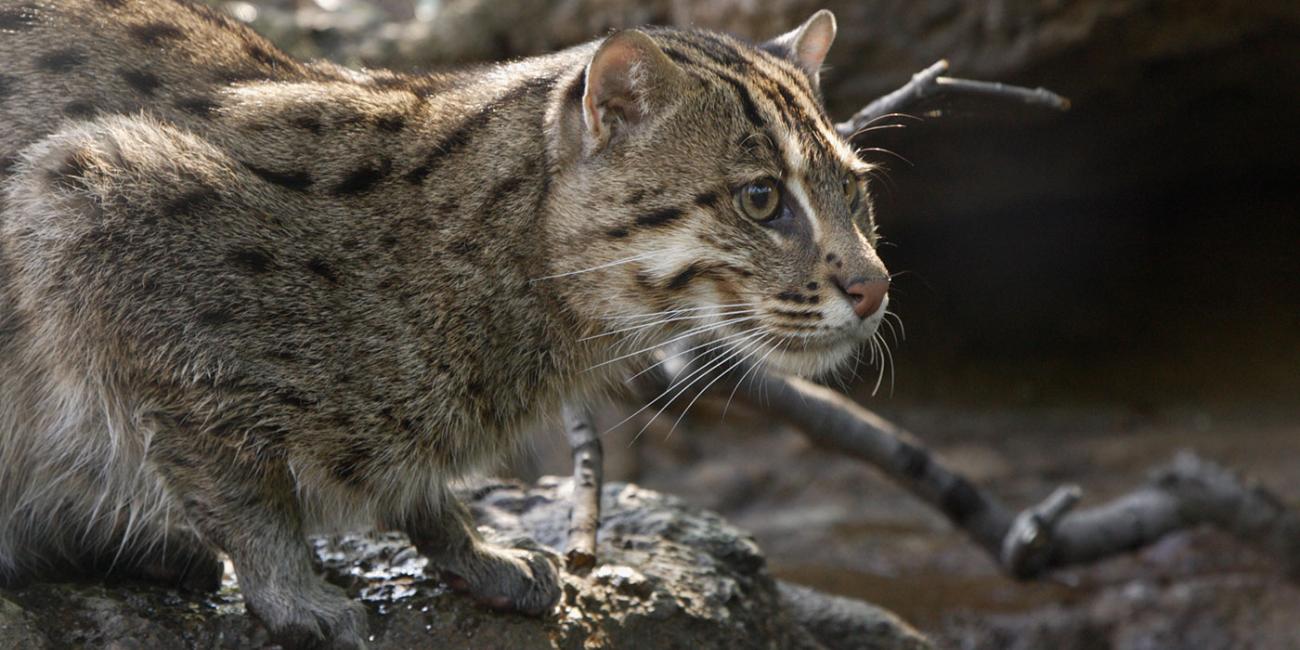
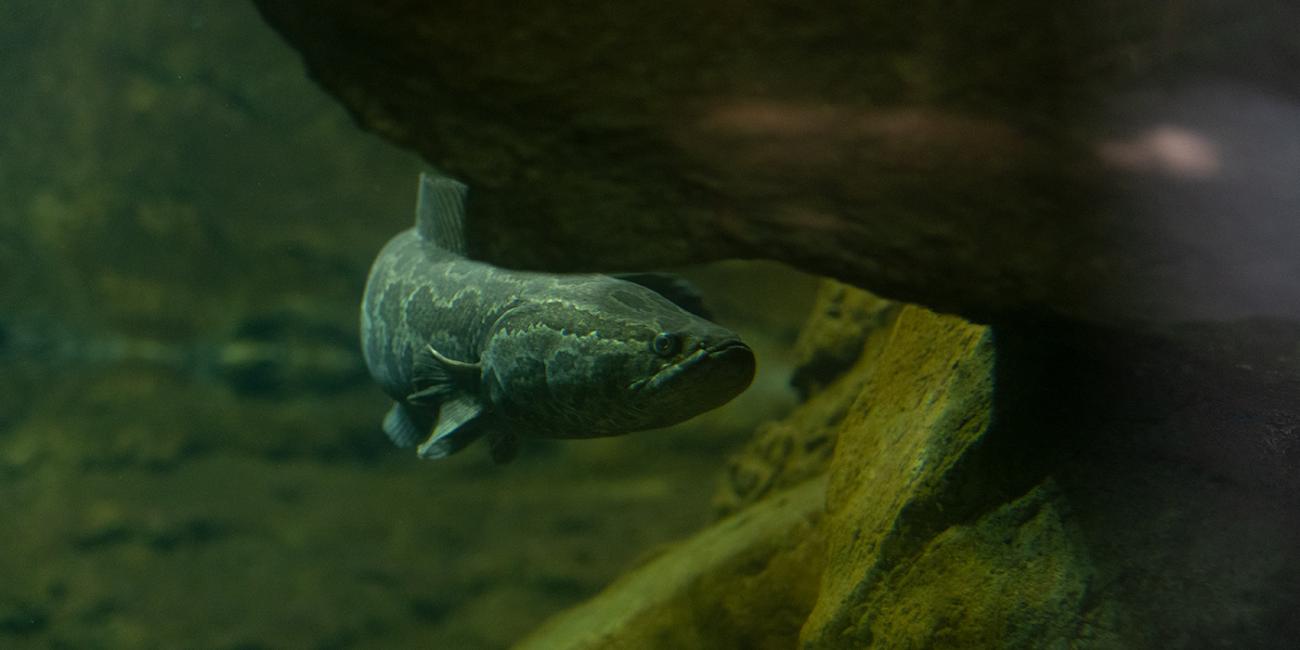
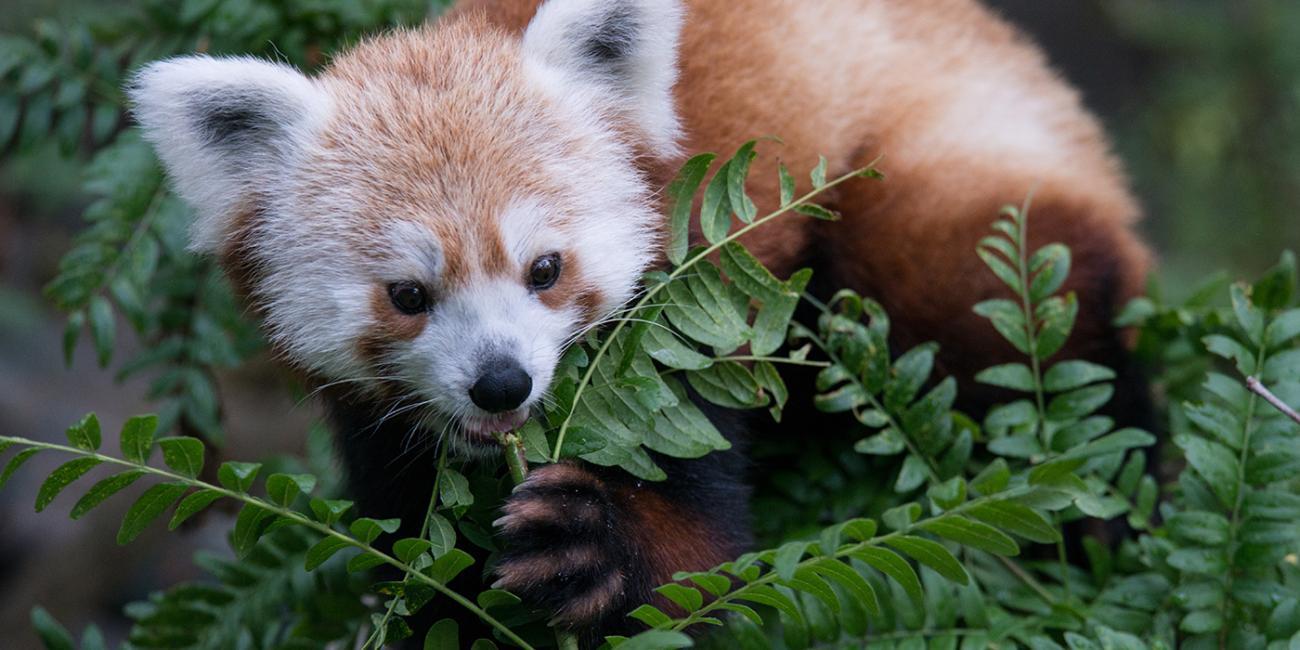
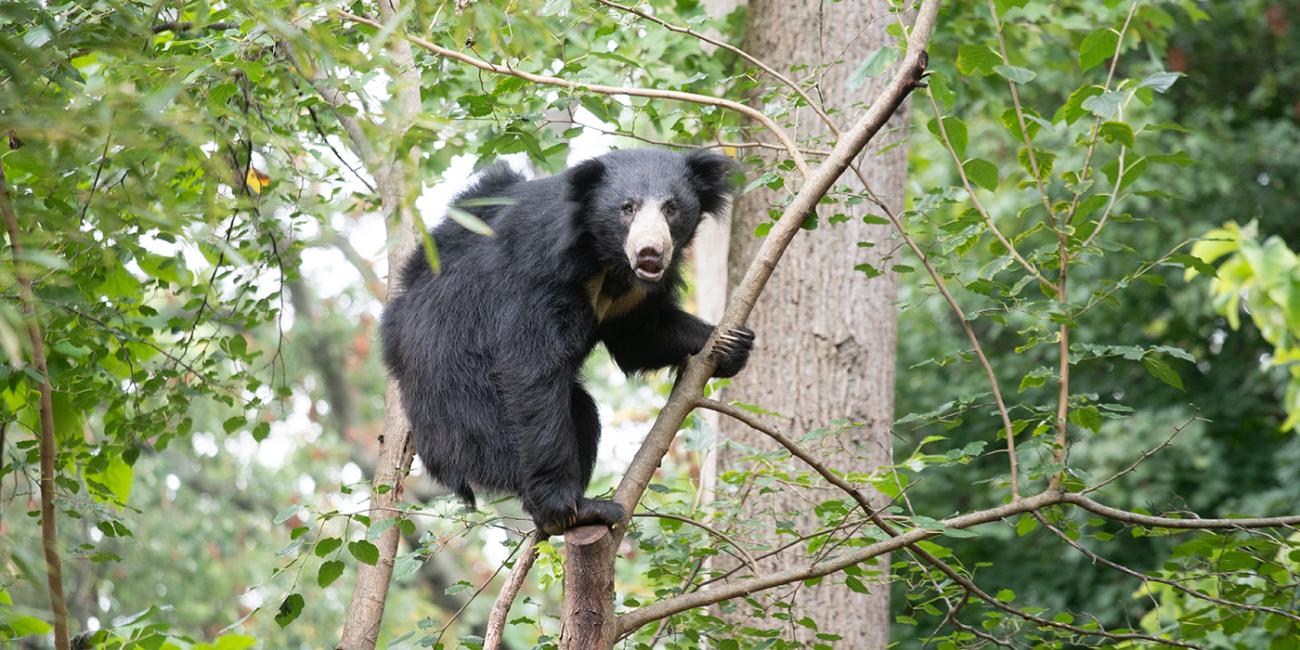
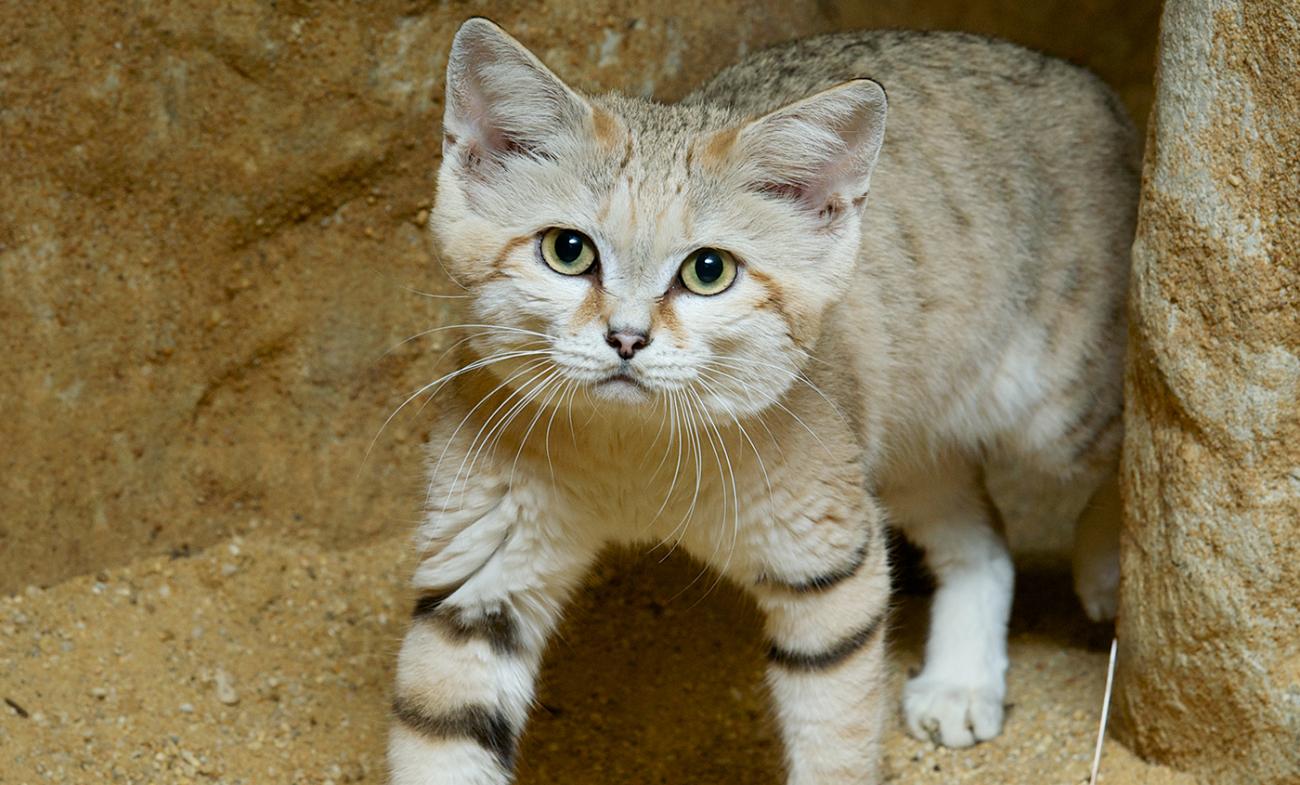
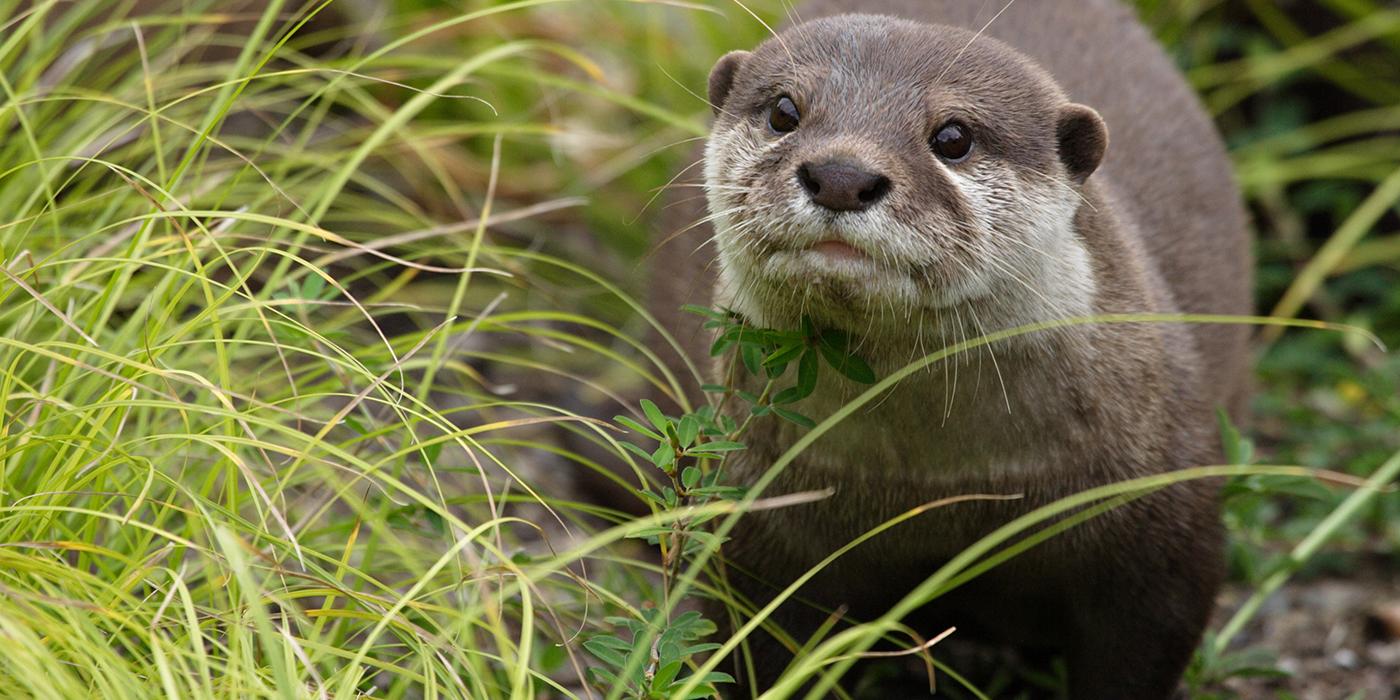
Red pandas, Asian small-clawed otters, clouded leopards, fishing cats and sloth bears all reside along Asia Trail. Visitors can see sloth bears vacuum up mealworms from artificial termite mounds, watch fishing cats wade into pools, and observe Asian small-clawed otters scurry from the banks of a shallow stream to a roaring waterfall.
The Smithsonian’s National Zoo provides Asia Trail residents with enrichment — physically and mentally stimulating toys, activities and environments. An exhibit’s design is carefully and deliberately planned to ensure the comfort, safety and health of the animals. Enrichment is tailored to give an animal the opportunity to use its natural behaviors in novel and exciting ways. As with any enrichment activity, an animal can either choose to participate or not.
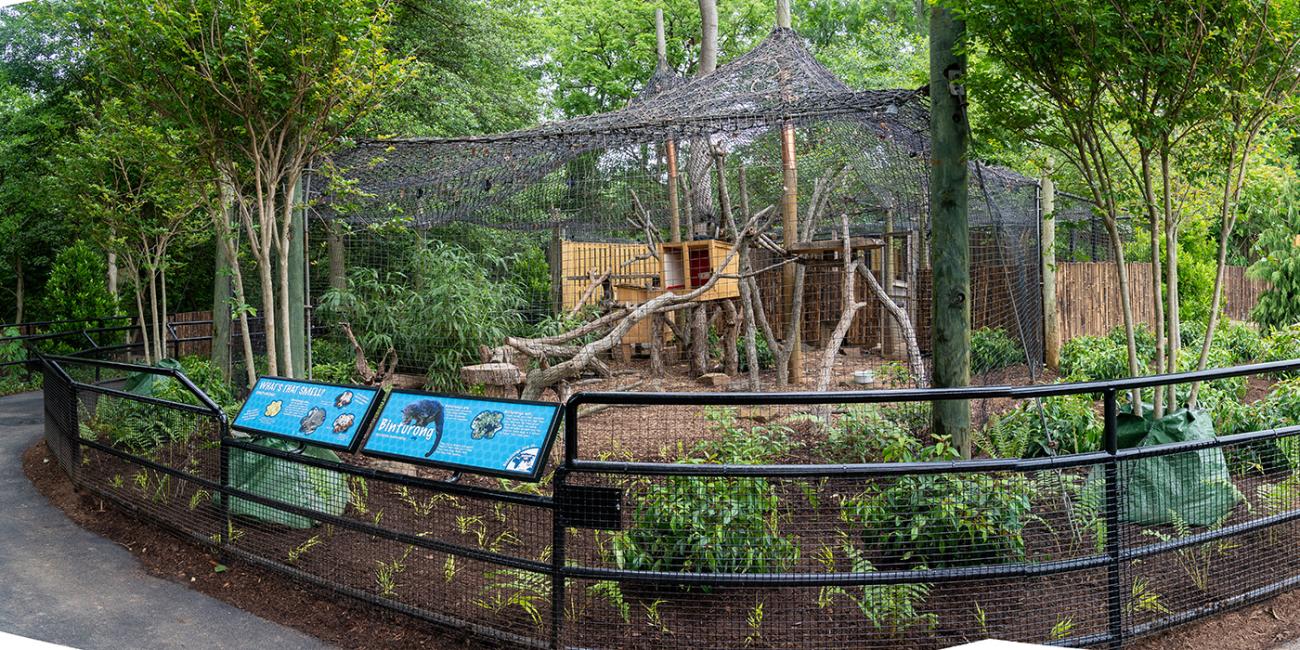
At Asia Trail, enclosures were designed to encompass elements that mimic the animals’ wild habitats and encourage natural foraging and social behaviors. Keepers create enrichment using what they know about the activity patterns of animals in the wild as a guide.
The fishing cat exhibit enables the Zoo’s cats to hunt for prey exactly as they would in the wild. Wading into the shallow end of the pool, the cats tap the water’s surface. Once a fish approaches, the cat dives into the water to get its meal.
Since most animals are unable to hunt within their exhibits, staff find other ways for them to exhibit natural behaviors. Because the otters are accustomed to foraging, they receive numerous feedings in various locations to keep them moving throughout the day. Food is placed inside logs, along the banks of the stream, or in various puzzle feeders in the yard.
In addition to environmental enrichment, many animals participate in training sessions. This social enrichment provides an animal with exercise and mental stimulation while reinforcing the relationship between an animal and his/her keeper. Sloth bears are trained to open their mouths so keepers can brush their teeth. When they suck up insects, they sometimes get a few dents and dings along with their meal. Check out the training video!
Many of the Zoo's animals paint for enrichment, which stimulates their visual, tactile, and olfactory senses. Using non-toxic, water-based paint, animals create one-of-a-kind works of art. Many animals paint by walking across a canvas (like red pandas) or holding a modified paint brush (like giant pandas). Sloth bears, however, use the same methods for painting as they do to forage for food. To eat, a sloth bear uses its lips like a vacuum as it sucks insects from their nests and blows dirt away. Using a narrow plastic pipe, keepers cue the bears to blow, resulting in a splatter pattern across the canvas. Watch a video of sloth bears painting!
Restrooms are located at Panda Plaza.
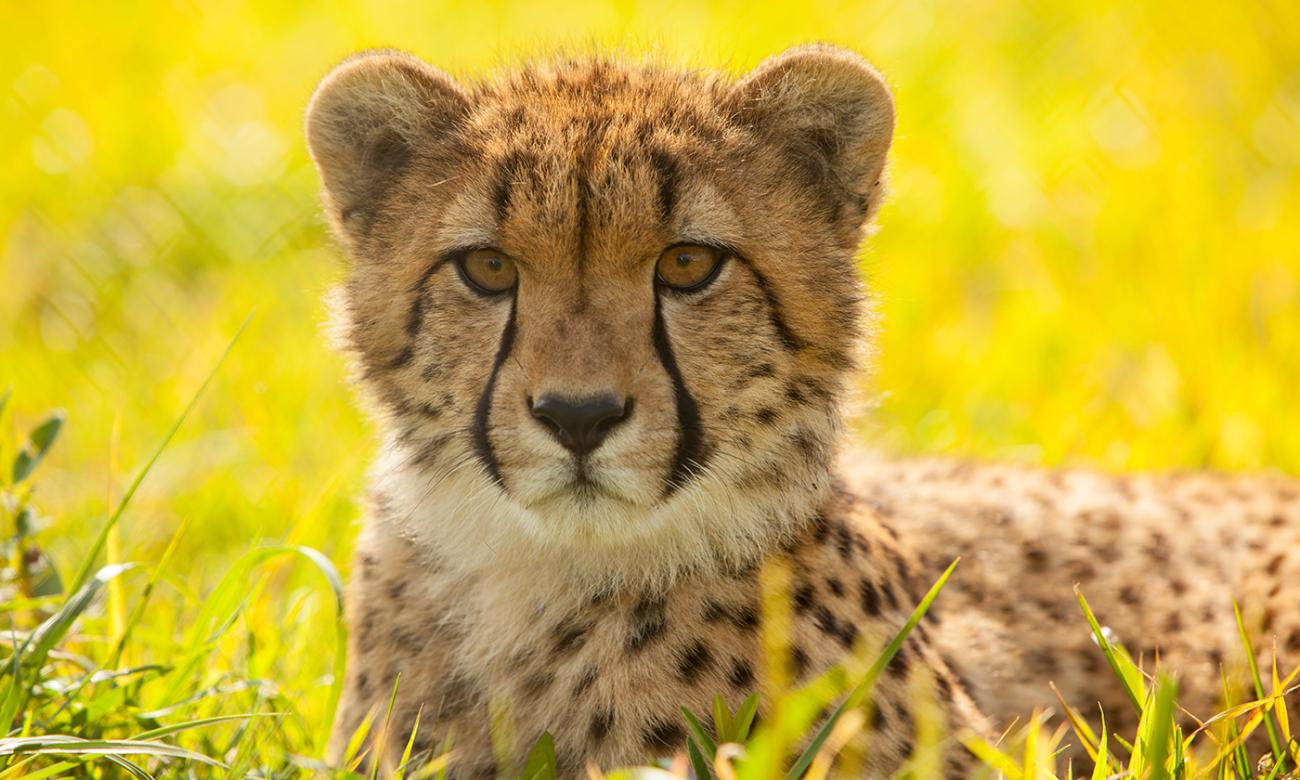
The Cheetah Conservation Station exhibit is located adjacent to the Asia Trail Exhibit.
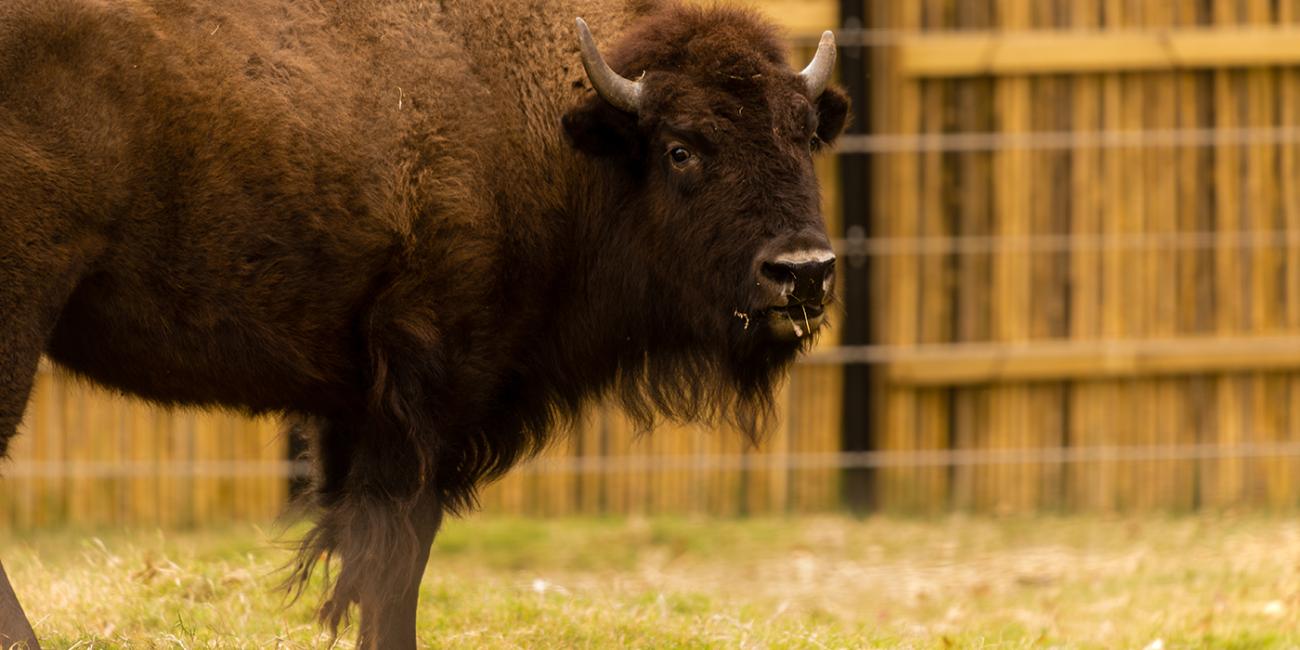
The American Bison exhibit is located adjacent to the Asia Trail Exhibit.
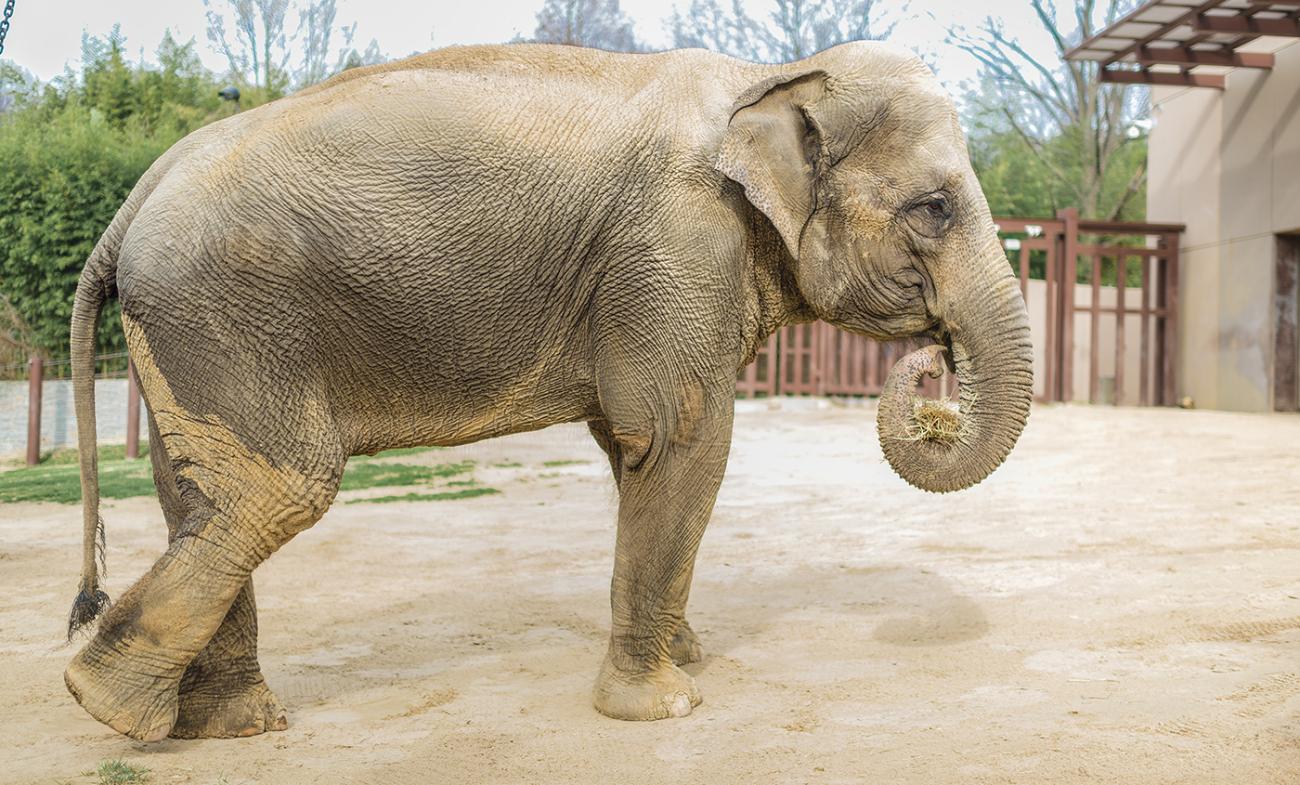
Elephant Trails is located downhill from Asia Trail. Visitors can observe the Zoo’s Asian elephants at this location.
The Asia Trail Gift Shop, located in the Visitor Center, showcases an eclectic variety of merchandise ranging from plush animals, toys, games, and books to Zoo-themed apparel, accessories, and household decorations from all over the globe. Find fair trade and earth-friendly creations here!
Red Pandas
For decades, SCBI scientists have studied red pandas both in the wild and in human care. SCBI ecologists spend months in China every year studying wild giant pandas and their neighbors, including red pandas. In 2012, SCBI launched the largest health and reproductive study ever on the red panda. This study evaluated the largest red panda population housed under human care at the Chengdu Research Base of Giant Panda Breeding (Panda Base) in Chengdu, China. SCBI's Department of Conservation Medicine worked with experts at the Panda Base and George Mason University to conduct a biomedical survey of red pandas.
The SCBI headquarters in Front Royal, Va. has one of the largest red panda breeding populations in human care within the North American Species Survival Plan. Animal care staff have extensive experience with both mother-reared and hand-reared cubs. Facilities like SCBI allow a more private environment for mothers to raise their young. This facility also gives keepers and researchers the flexibility to monitor and assist animals who may have health or behavioral issues that could interfere with birthing and raising cubs.
Clouded Leopards
The Zoo has been working with clouded leopards at SCBI since 1978, with the goal of creating a genetically diverse population. In the past 30 years, more than 70 clouded leopards have been born at SCBI.
Historically, scientists have had difficulty breeding clouded leopards because of male-female aggressions. Scientists found that males would often kill females during introductions for breeding. SCBI scientists demonstrated that raising males and females together from a very young age greatly reduced the chances of aggression. Scientists and the Species Survival Plan for clouded leopards aim to pair males and females determined to be good genetic matches when they are only a few weeks old.
In 2015, for only the second time, a litter of clouded leopard cubs was born as the result of an artificial insemination. Pierre Comizzoli, reproductive physiologist at SCBI, performed the artificial insemination in at the Khao Khew Open Zoo in Chonburi, Thailand, resulting in the birth of two cubs. The artificial insemination was the first successful procedure performed on a clouded leopard outside of the United States. The first and only other successful clouded leopard artificial insemination was performed by the late SCBI scientist JoGayle Howard in 1992.
Fishing Cats
The Zoo's fishing cats are taking part in a multi-institutional study that examines the many facets of introducing a potential breeding pair. Researcher Jilian Fazio is looking at stress and reproductive hormones to determine if different introduction techniques or individual personalities spell success or failure when it comes to fishing cat reproduction. The Zoo has successfully bred fishing cats since 2012.