Animals in this Exhibit
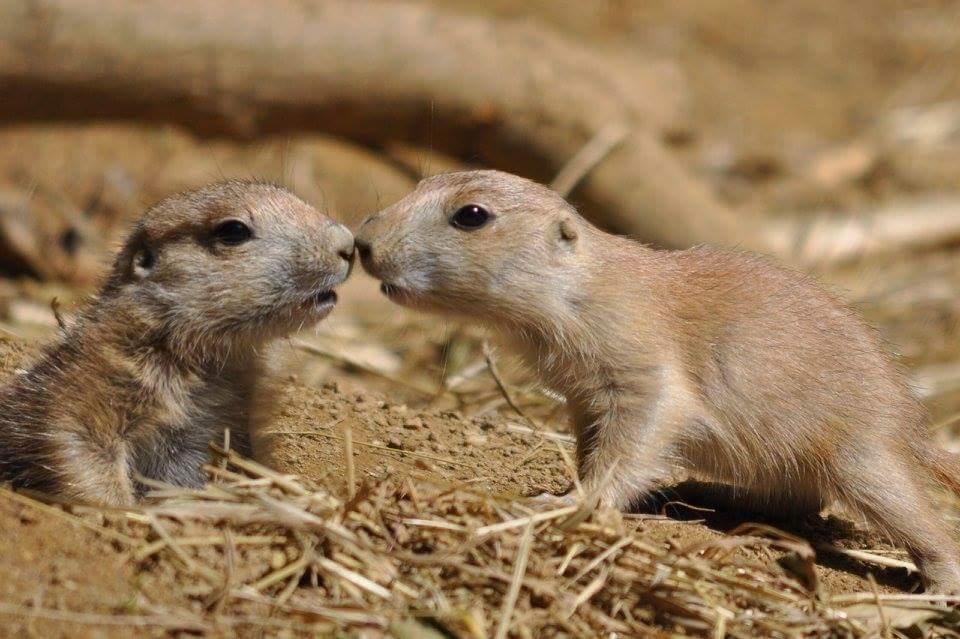
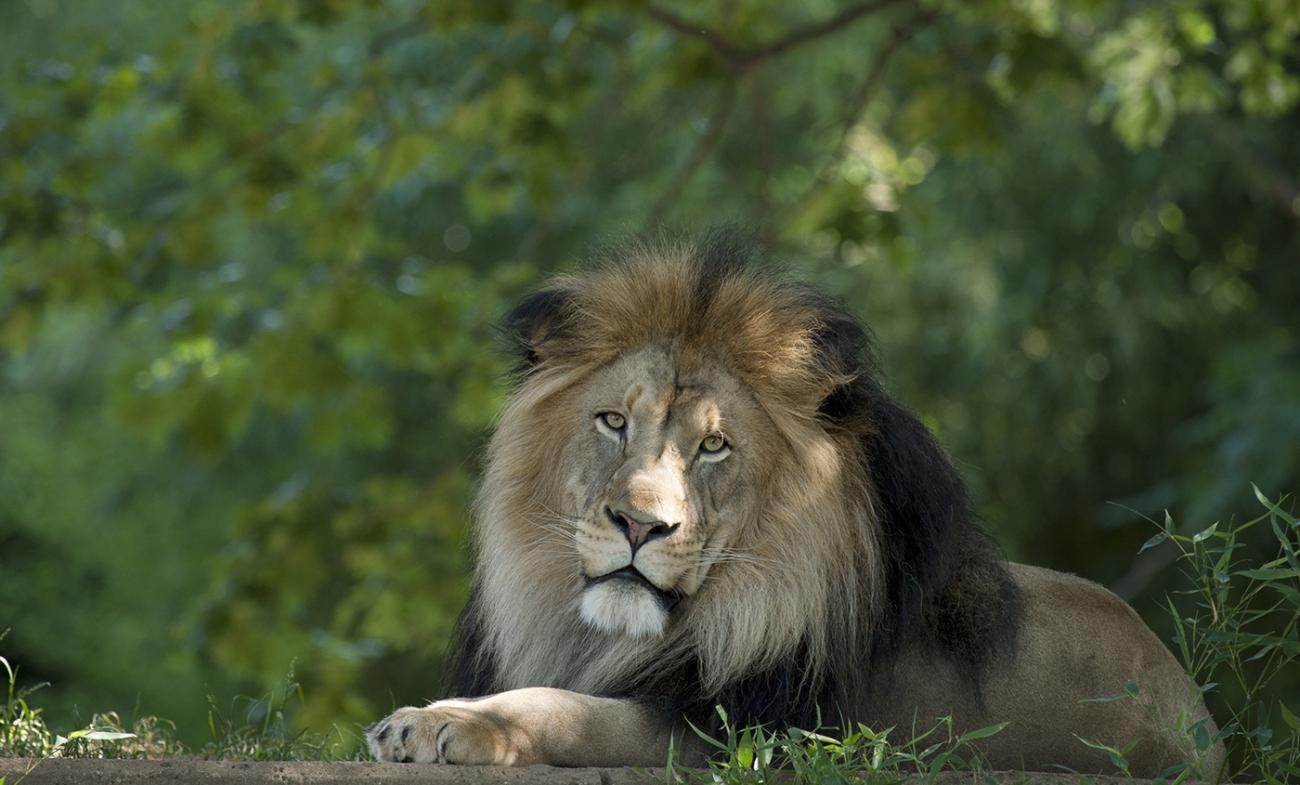
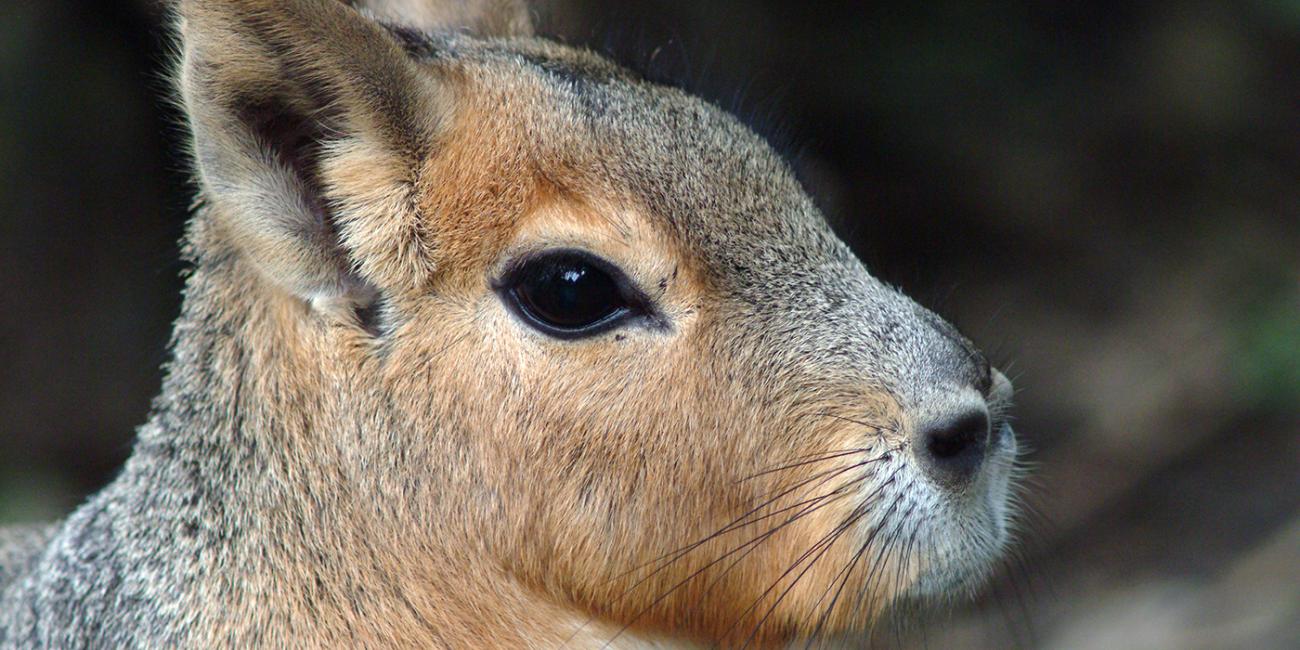
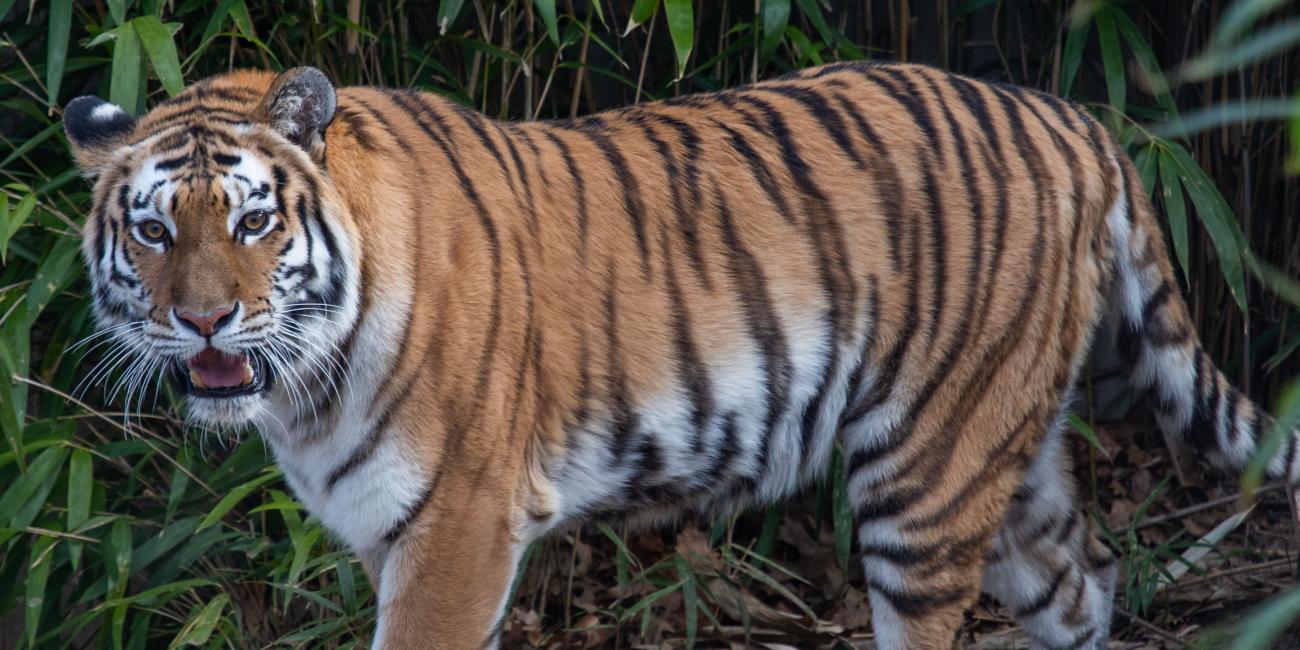
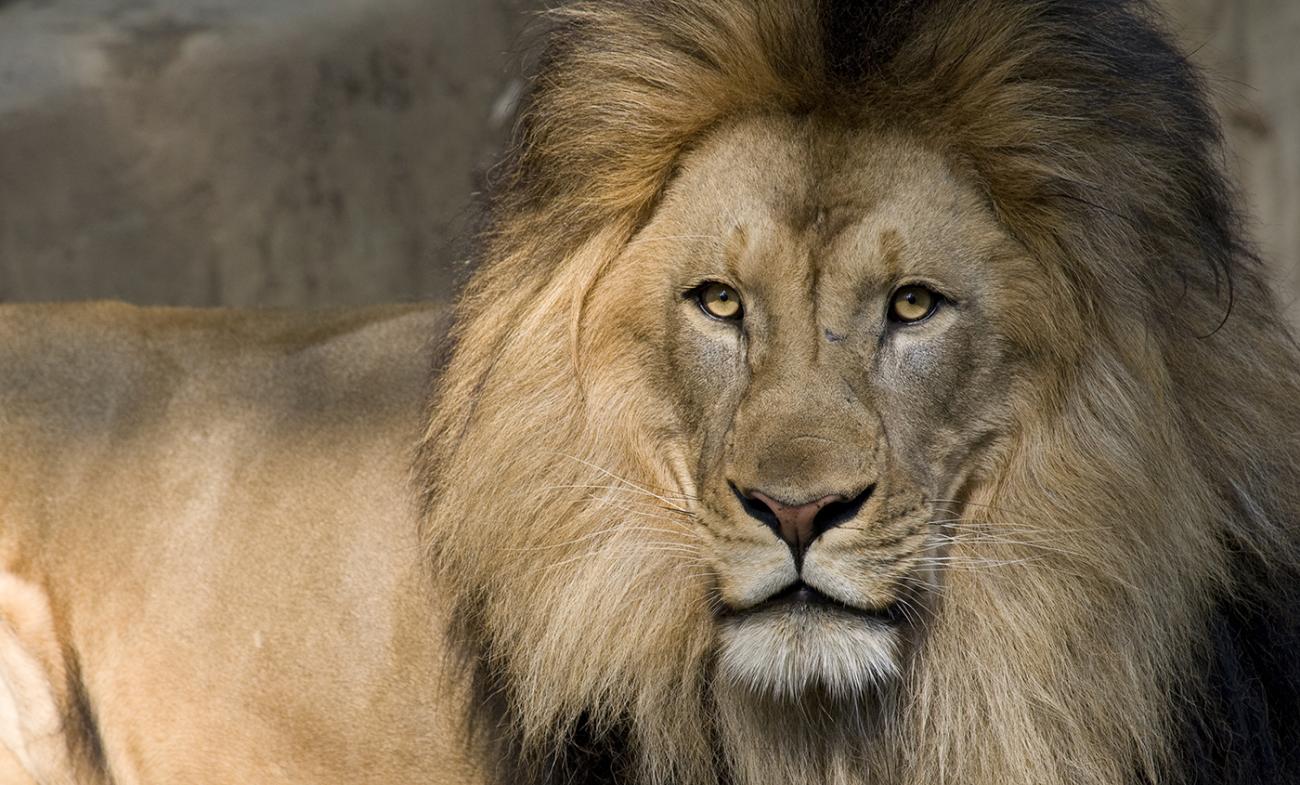
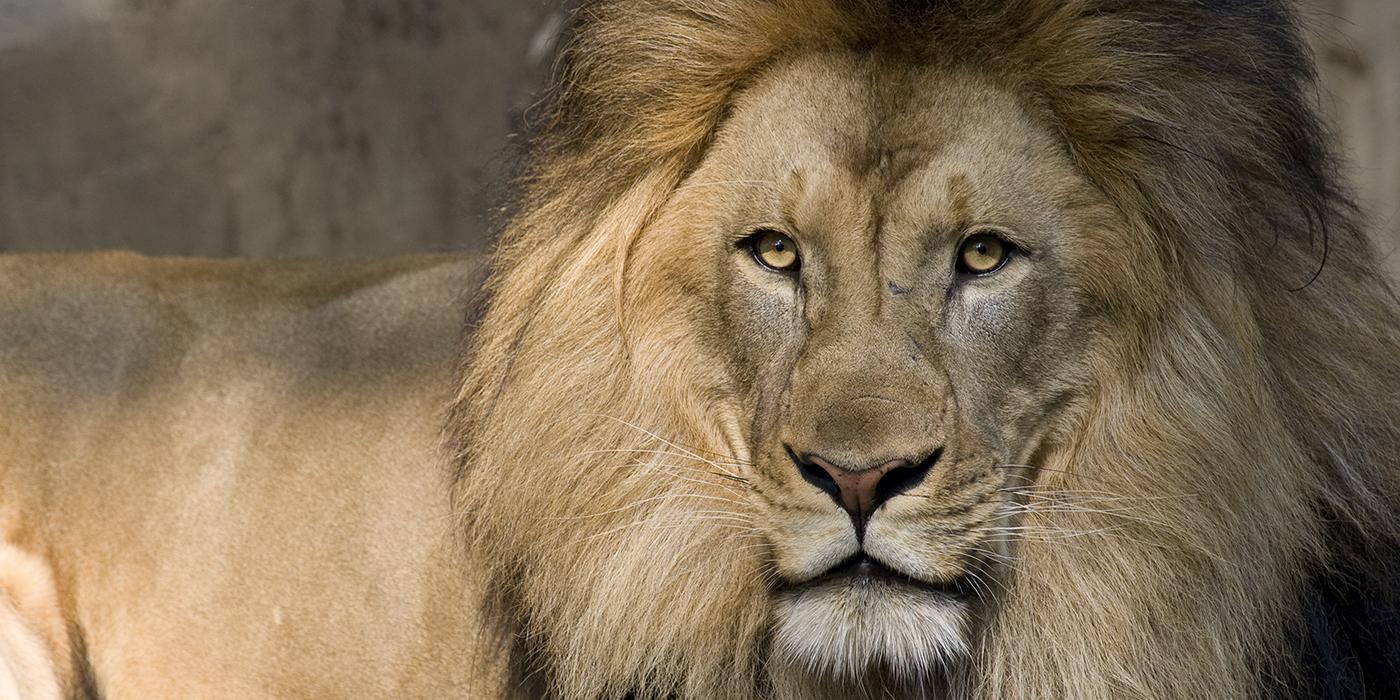
Some of the top predators on the planet live at the Great Cats exhibit, including African lions and Sumatran tigers. At each habitat, visitors can learn about the cats’ characteristics, including social structure, hunting, reproduction and the Smithsonian's National Zoo’s efforts to care for and conserve these species.
Three outdoor habitats are home to the Zoo’s lions and tigers. Visitors may catch a glimpse of the cats patrolling the edge of the moat. On hot days, the cats — and Sumatran tigers, in particular — may choose to take a swim! Online visitors can also catch a glimpse of the lions on the Lion Cam.
The North American porcupine, black-tailed prairie dog and Patagonian mara habitats are located just across Olmsted Walk from Great Cats.
A Safe Place to Call Home
All lion and tiger cubs born at the Great Cats exhibit must undergo a swim reliability test and prove that they are able to keep their heads above water, navigate to the shallow end of the moat and climb onto dry land. It is possible that a cub could be knocked into the moat by a parent or sibling while playing. Therefore, animal care staff want to make sure that if a cub finds itself in that situation, it knows how to pull itself out of the water and onto shore. During the swim test, keepers stand guard and gently guide cubs in the right direction.
Keepers provide the cats with enrichment — enclosures, socialization, objects, sounds, smells and other stimuli — to enhance their well-being and give them an outlet to demonstrate their species-typical behaviors. Keepers will often add scent enrichment, including pumpkin spice, to the cats’ quarters to keep their environment interesting. Check out a video about scent enrichment. Visitors can touch a used boomer ball (a huge, nearly indestructible ball) complete with teeth and scratch marks and listen to the cats’ vocalizations. Keepers often recycle cardboard boxes and burlap sacks by turning them into enrichment items for the cats. Once stuffed with hay or food, these items entice the cats to use their natural behaviors to extract the treats. They also seem to enjoy shredding and playing tug-o-war with them.
Keepers have placed metal and wood collars around the oaks and pines to prevent the cats from climbing or damaging the trees. Instead, natural enrichment, such as tree branches and logs, make for extra-large scratching posts.
Enrichment can also involve animals socializing with their keepers as part of their daily training. Cats young and old learn behaviors that help animal care staff evaluate their health, including opening their mouths, showing their paws, getting up on a bench and laying down in practice to receive a vaccination. Check out a lion cub training video!
Restrooms are located behind the Conservation Pavilion, next to Kids' Farm.
Think Tank is located across from the Sumatran tiger exhibit. Visitors can observe orangutans, swamp monkeys and more at this location.
The Patagonian mara and black-tailed prairie dog exhibits are located across Olmsted walk from Great Cats.
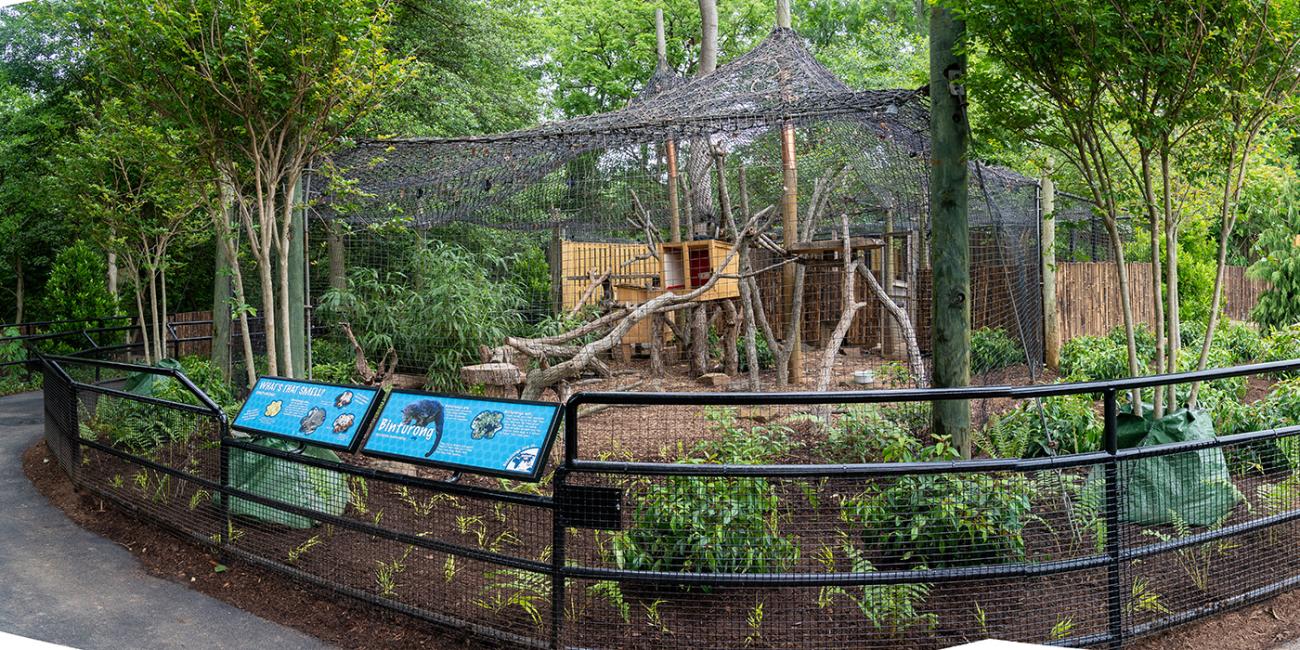
The Claws and Paws exhibit, featuring binturongs, porcupines, Pallas cats and bobcats, is located adjacent to the black-tailed prairie dog exhibit.
The Mane Grill is located between Kids’ Farm and the restrooms.
The lion reproductive cycle was once a mystery, but thanks to the Smithsonian Conservation Biology Institute, zoos now have a baseline for what hormone levels should look like and how to diagnose fertility problems in animals that are not following patterns. SCBI has a long history of developing and using non-invasive hormone monitoring techniques to better understand animal biology. When keepers were struggling to breed African lions, SCBI scientists stepped in to solve the mystery. From 2004 to 2014, 19 zoos, including the Smithsonian's National Zoo, provided fecal samples from 38 female lions, ranging in age from 9 months to 13 years old. Using those samples, researchers from SCBI were able to determine the length of pregnancy for a lion; the hormone pattern that confirms pregnancy or non-pregnancy; the average age that lions begin their reproductive cycle and the associated body weight; and the length of effectiveness of specific contraceptives
The Zoo is also working to help save tigers. In 2008, the Smithsonian Institution became a member of the Global Tiger Initiative, along with the 13 tiger-range countries, the World Bank and many other partners in conservation. In addition, the Smithsonian Conservation Biology Institute's Tiger Conservation Partnership hosts courses in tiger-range countries to help land managers, conservationists, and wildlife law enforcement officials protect tigers.
Endangered Song
The Endangered Song Project was an analog-meets-digital awareness campaign that called upon 400 participants to use their social media strength to spread the message that there are only 400 Sumatran tigers left in the wild. The Zoo partnered with Atlantic Records' indie rock band 'Portugal. The Man' to distribute a previously unreleased song titled 'Sumatran Tiger.' The song was lathe-cut onto 400 custom polycarbonate records designed to degrade after a certain amount of plays. With no other copies in existence, the 400 participants were tasked with digitizing and sharing the song through their social channels with the hashtag #EndangeredSong. 'Breeding' the song socially helped save it from extinction, thus raising awareness about the critically endangered Sumatran tigers and need for conservation efforts. Created in collaboration with pro-bono services from DDB New York, an Omnicom Group, the campaign was supported through a dedicated website, endangeredsong.si.edu.