Cryo-initiative

Established in 2007, the Pan-Smithsonian Cryo-Initiative (PSCI) oversees the preservation, management, and access of the Smithsonian’s frozen biological collections at the Smithsonian science units, including the National Zoo and Conservation Biology Institute (NZCBI), the Smithsonian Tropical Research Institute, the National Museum of Natural History, and the Smithsonian Environmental Research Center. Today, the Smithsonian’s cryo-collections number over 1.5 million samples, with genetic material from14,500 species stored in over 200 ultracold freezers and liquid nitrogen tanks. The NZCBI leads this valuable initiative and provides essential knowledge for the efficient and successful use of valuable frozen collections.
Collections at the National Zoo and Conservation Biology Institute
- The Center for Species Survival's Genome Resource Bank contains more than 2,500 samples of frozen sperm or embryos from 100 species and more than 8,000 serum samples from 80 species
- The Center for Conservation Genomics houses a frozen collection with more than 108,000 samples of animal tissues from 1,500 species
- The Nutrition Department’s Milk Repository is the most extensive collection of exotic animal milks in the world, with 16,000 samples from more than 200 species
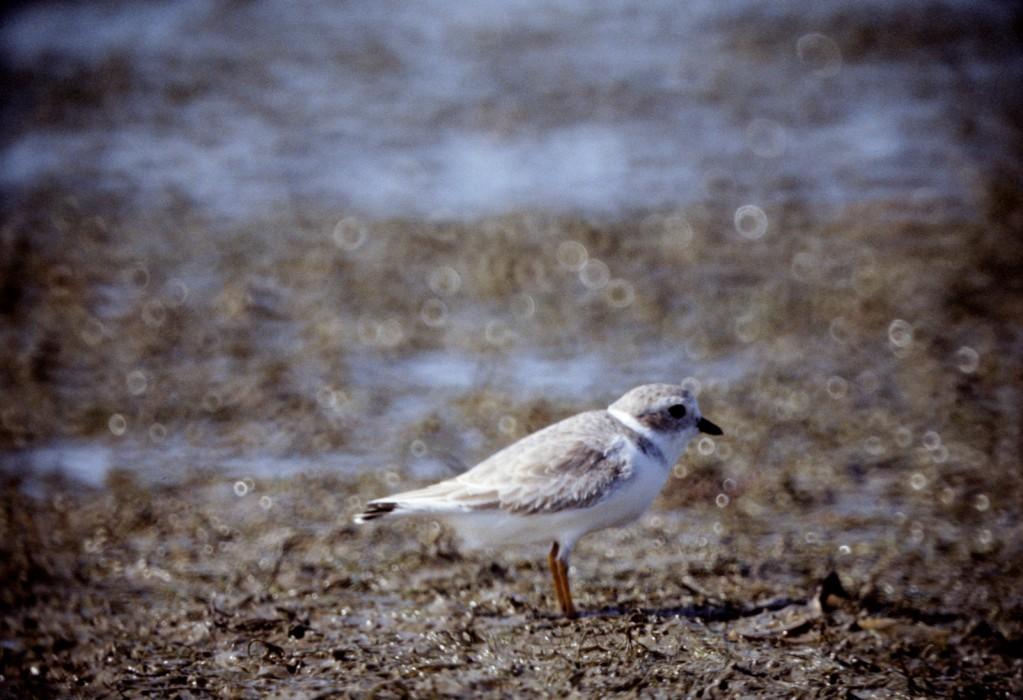
- The Smithsonian Migratory Birds Center's frozen collection contains 48,000 samples from 244 species, which aids in research studies to understand migratory birds
These frozen collections, or “biobanks”, serve as a world-class scientific resource that informs the Smithsonian’s global efforts to save wildlife species from extinction. Scientists can apply data from frozen collections in their efforts to breed animals in captivity more efficiently and perform conservation research without removing animals from their habitats. This allows scientists who normally have no access to wildlife or rare species to conduct basic and applied research. These biobanks also allow scientists to: rescue the genome of any individual post-mortem; move gametes (rather than large animals) for use in breeding and genetic management; and extend generational intervals.
Projects at the National Zoo and Conservation Biology Institute supported by the Pan-Smithsonian Cryo-Initiative
Where We Work
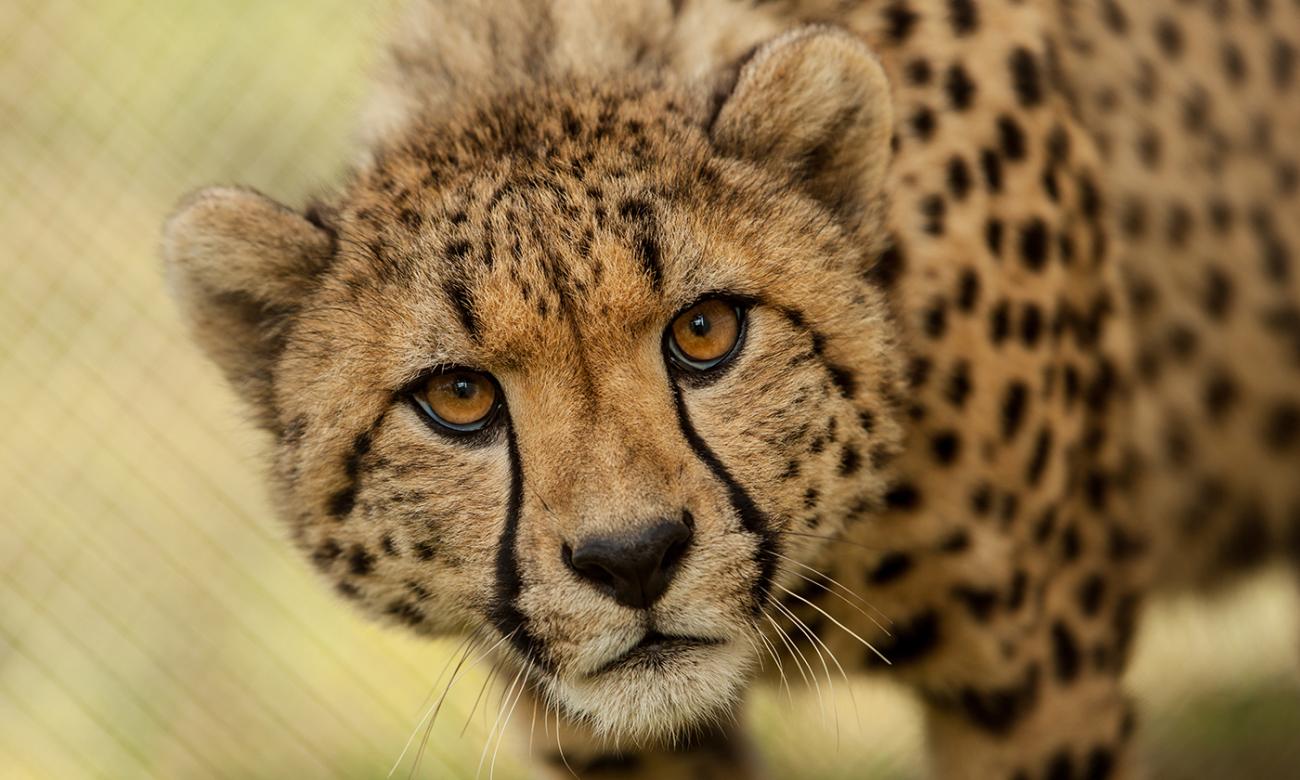
- In Namibia, to preserve the last remaining Feline Immunodeficiency Virus-free population of cheetahs
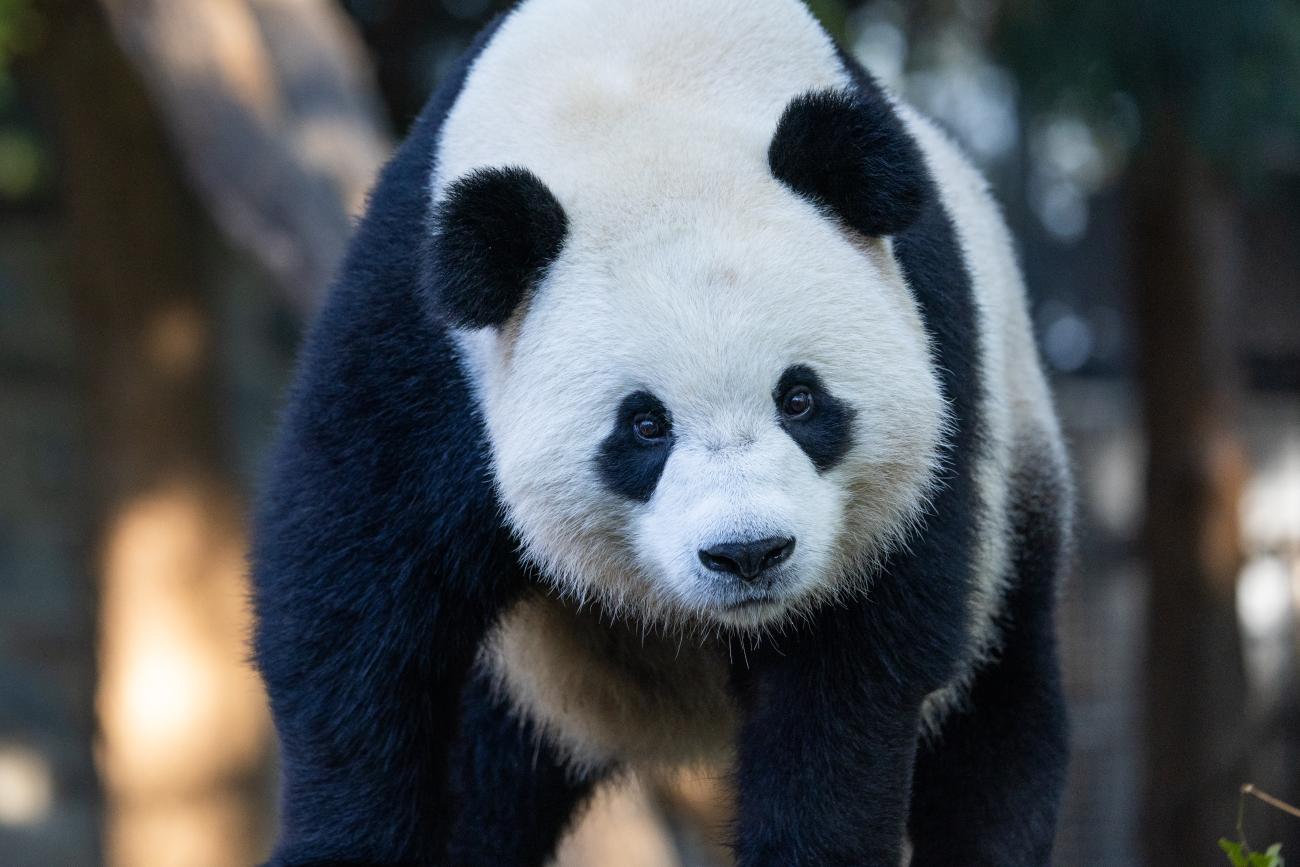
- In China, to develop the giant panda sperm genome resource bank that enables sustainable panda populations and support breeding programs
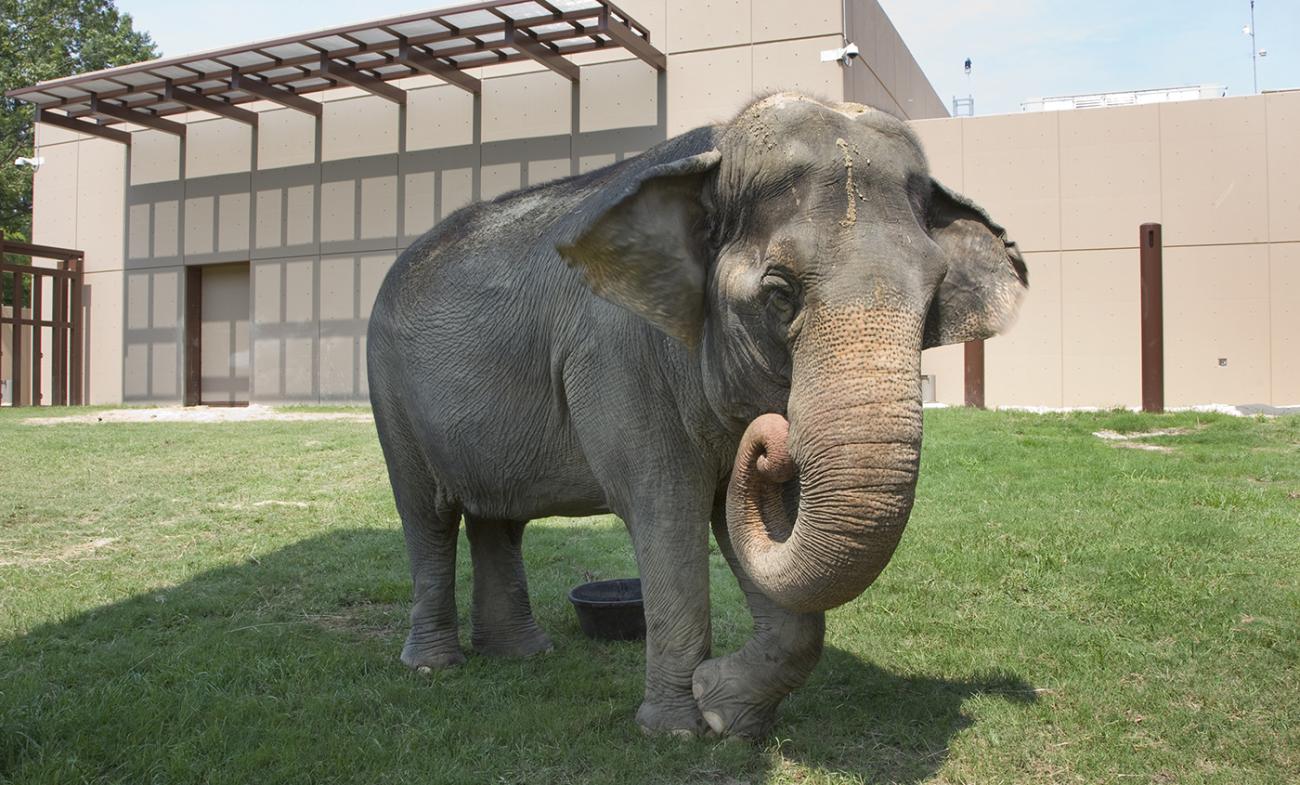
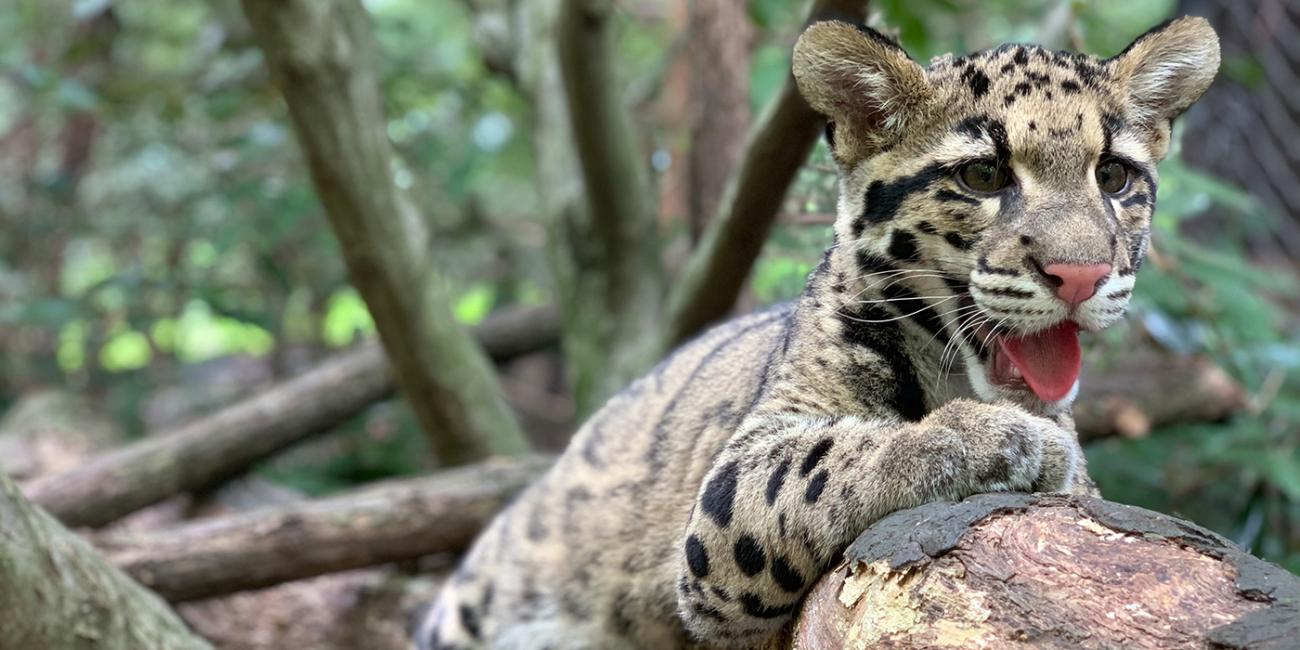
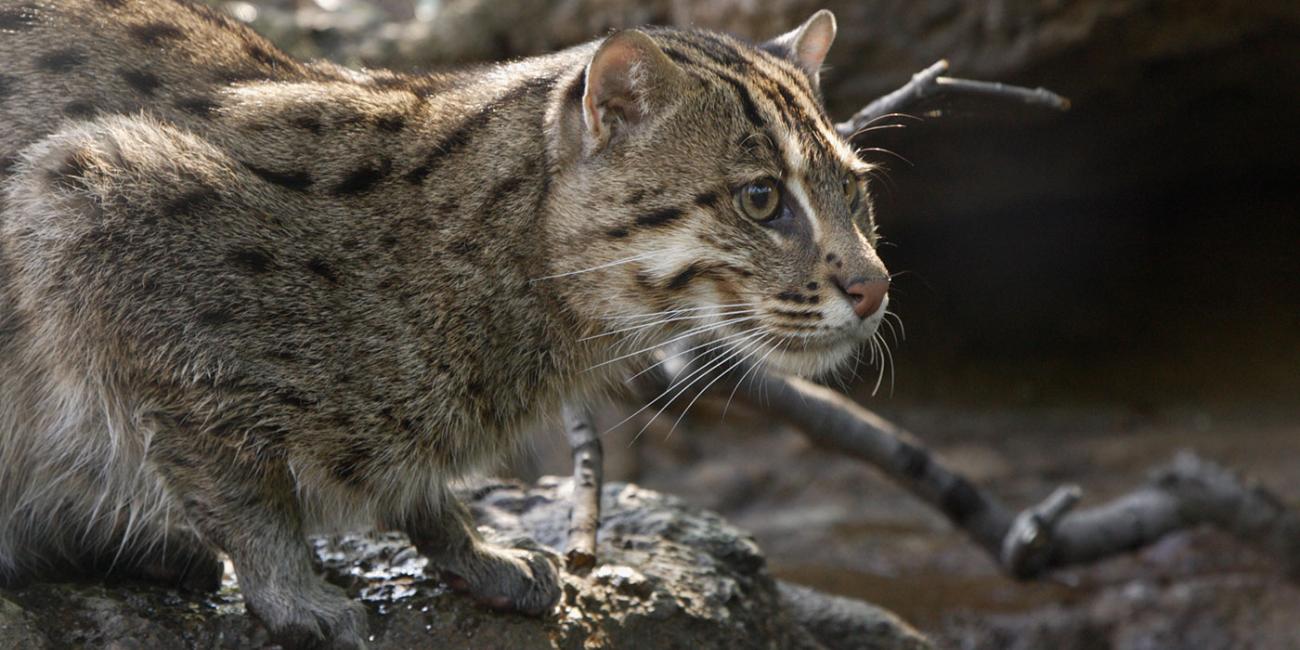
- In Thailand, to expand genome resource banking for Asian elephants, clouded leopards, and fishing cats
Notable Achievements
- Producing cheetah cubs by artificial insemination with frozen sperm imported from Africa
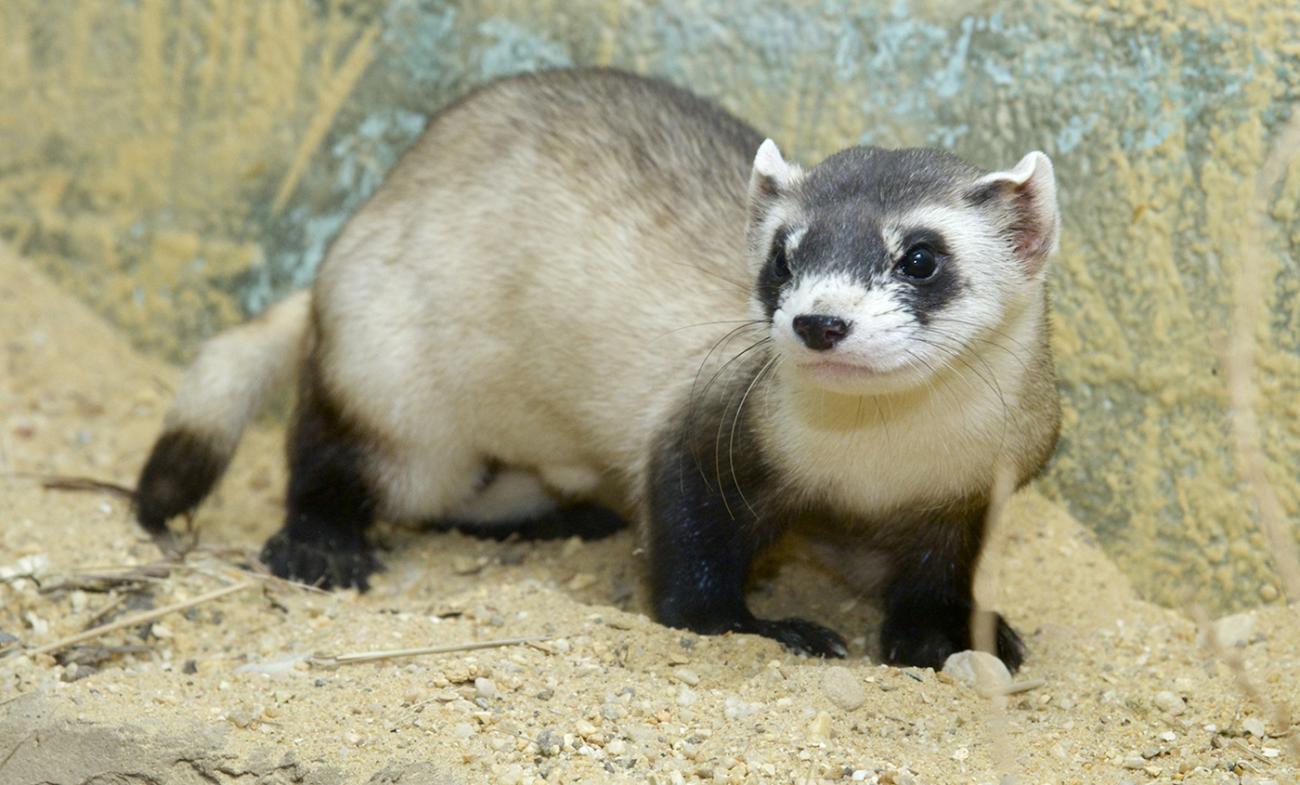
- Enhancing black-footed ferret reproduction for re-introduction by producing multiple offspring with cryopreserved sperm
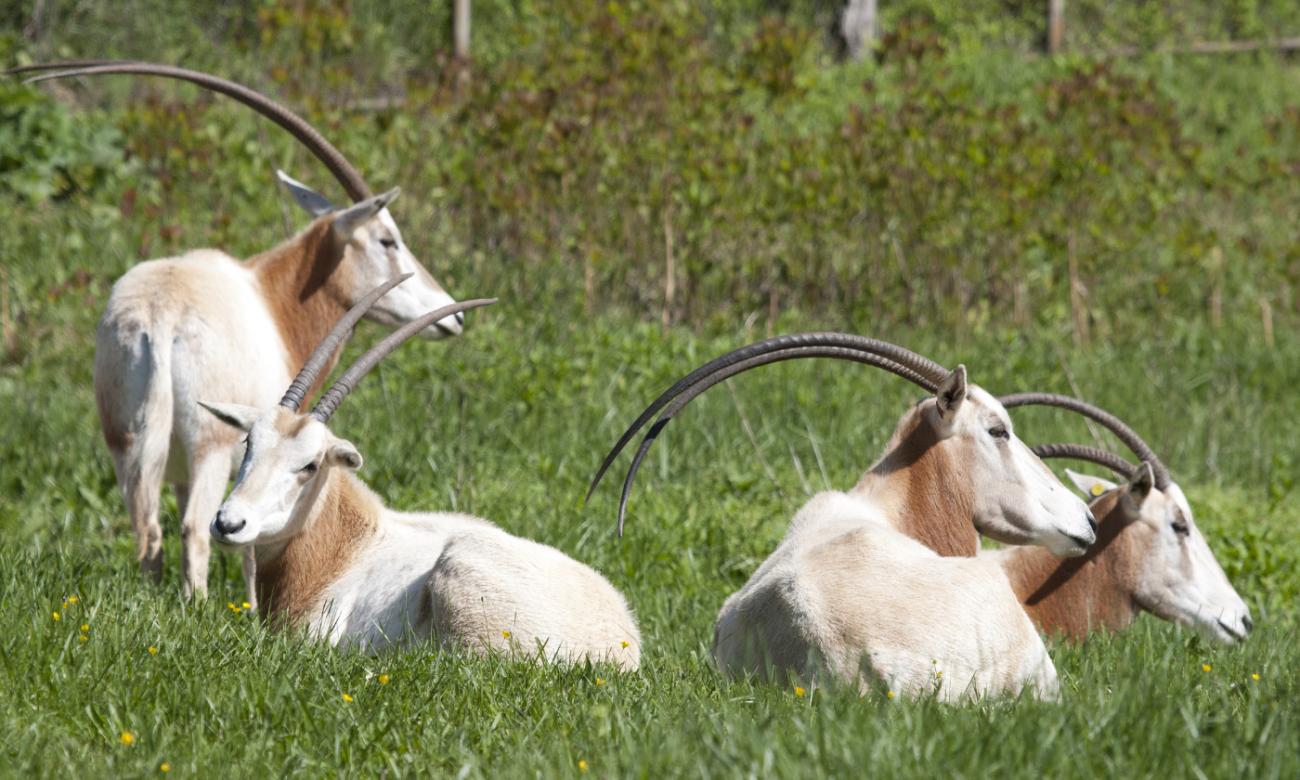
- Assisting in genetic management of Eld's deer and scimitar-horned oryx using cryopreserved sperm
Current Projects
- Understanding the cryo-sensitivities of spermatozoa from canids, felids, ungulates, birds, amphibians and invertebrates
- Understanding the cryobiological properties of oocytes from a host of mammalian species
- Developing methods for successful cryopreservation of testicular and ovarian tissues
- Testing the biological competence of cryopreserved gametes (sperm and oocytes) and tissues in various model systems
- Developing alternate preservation and storage methods at ambient temperatures
For more information, visit the Pan-Smithsonian Cryo-Initiative web page.