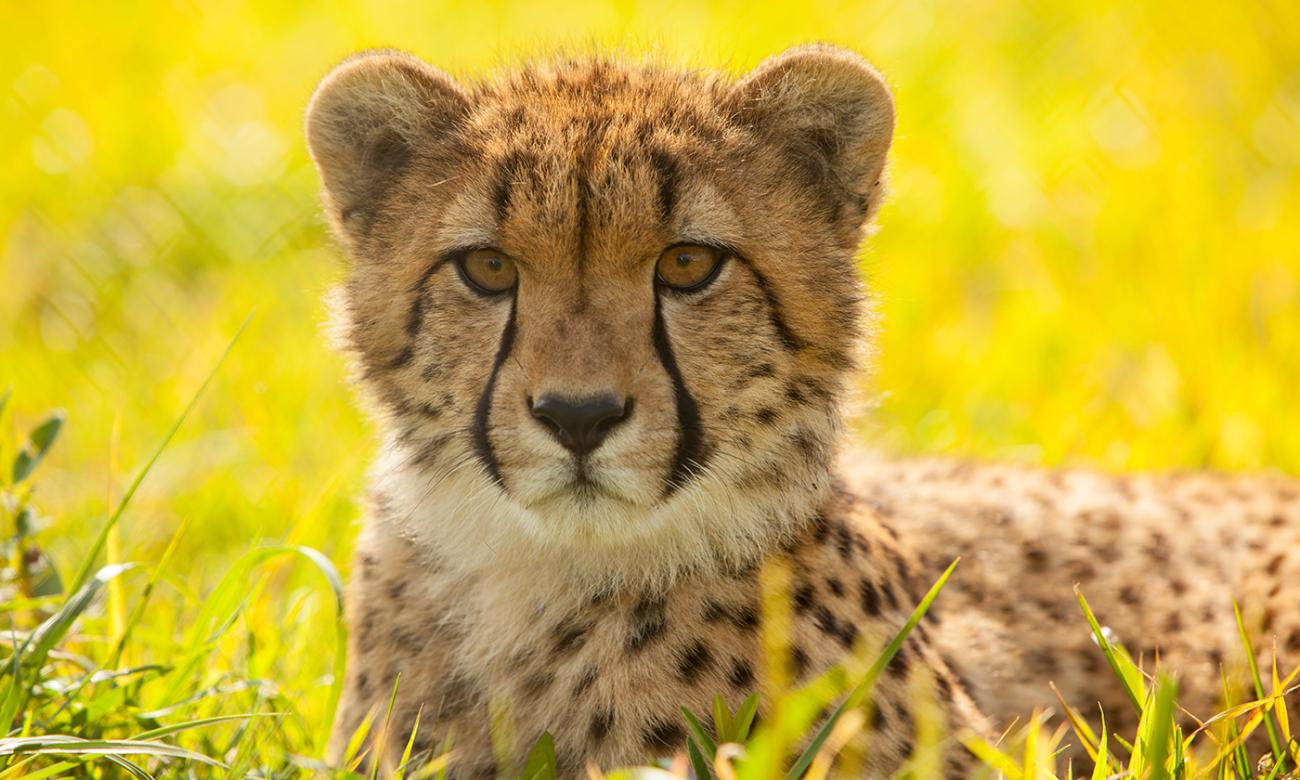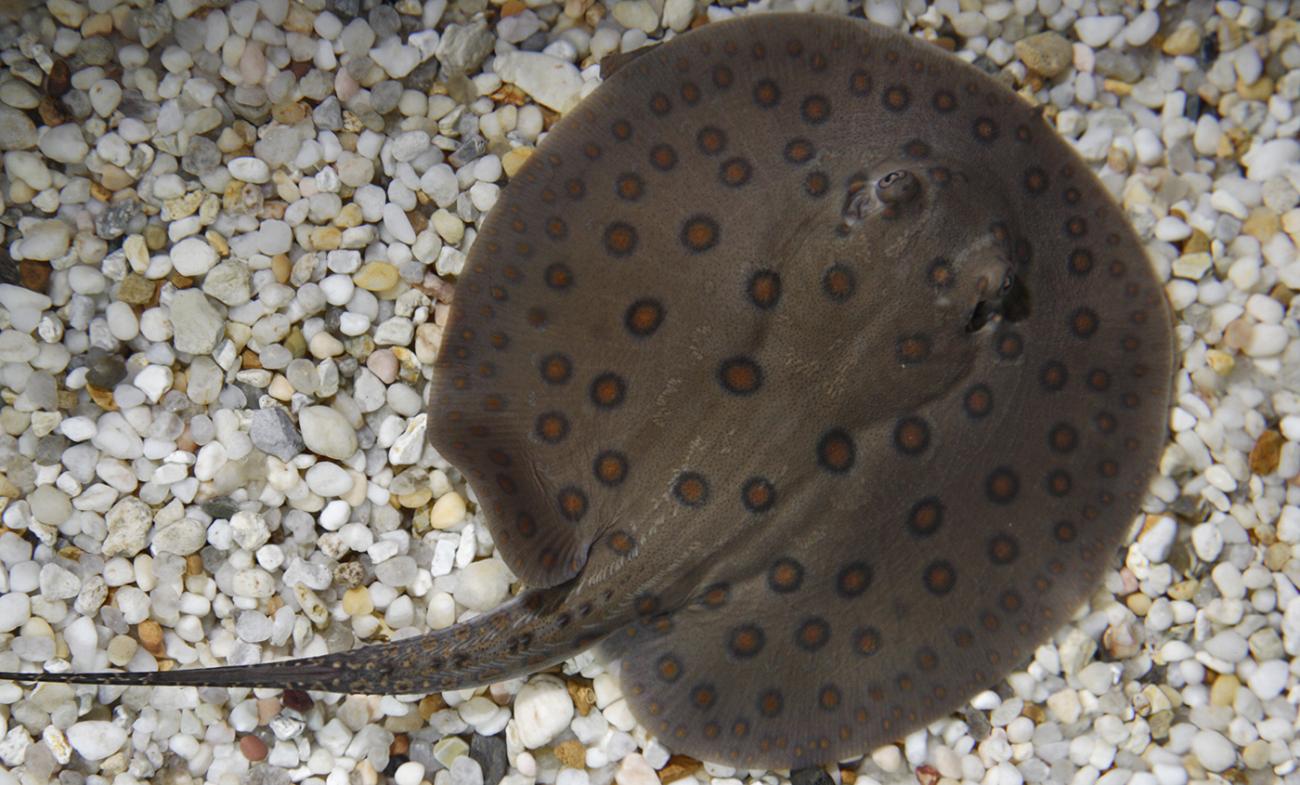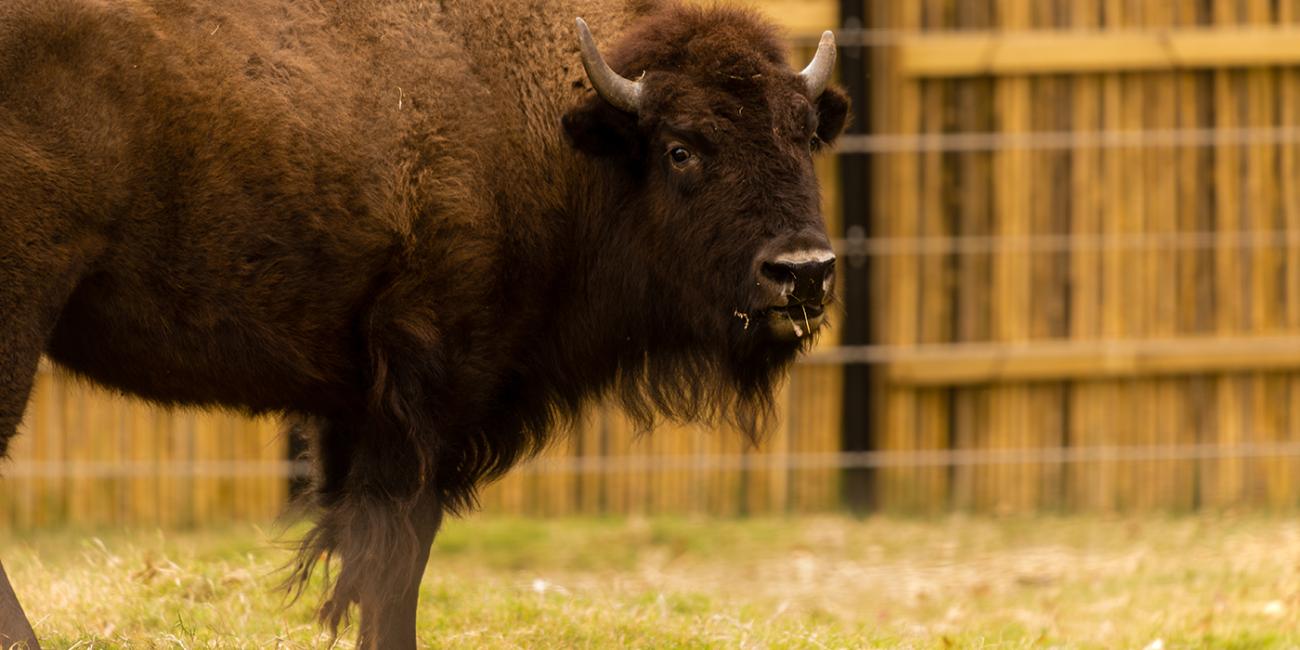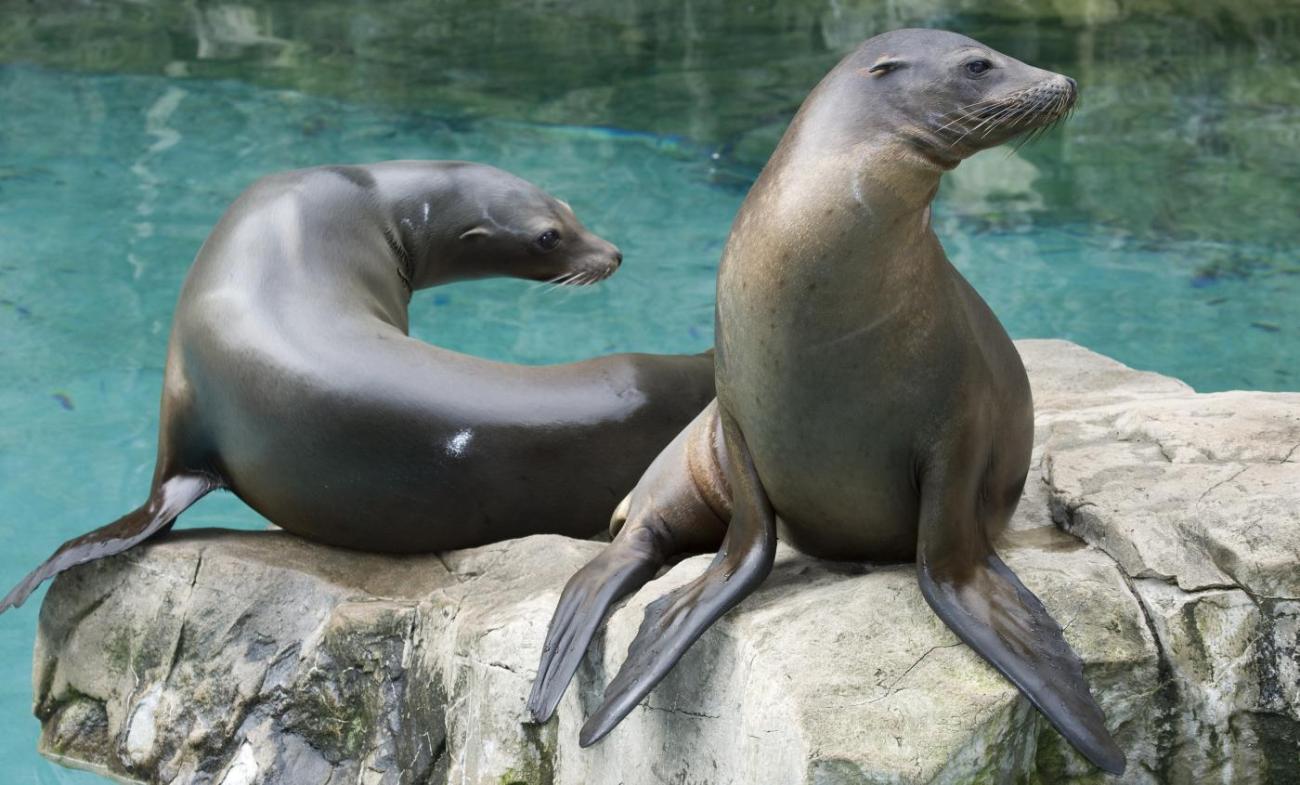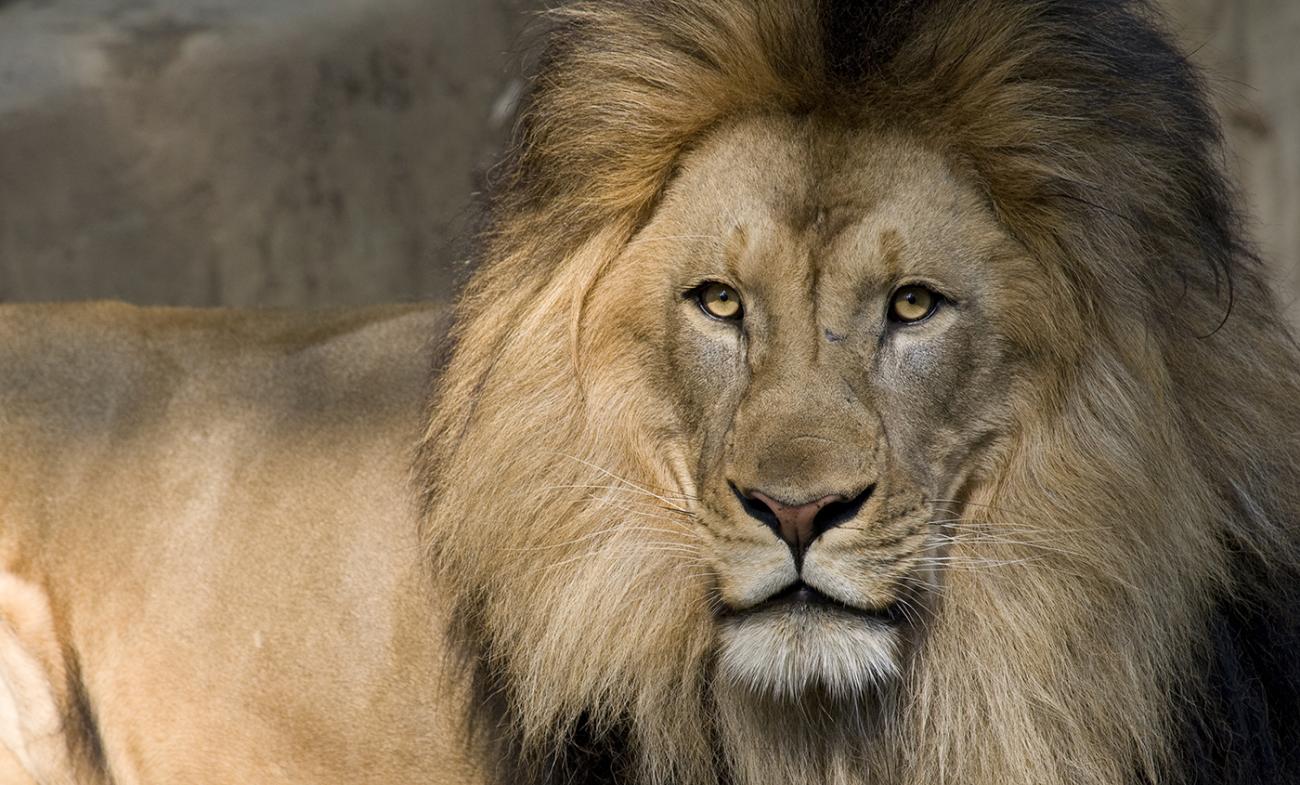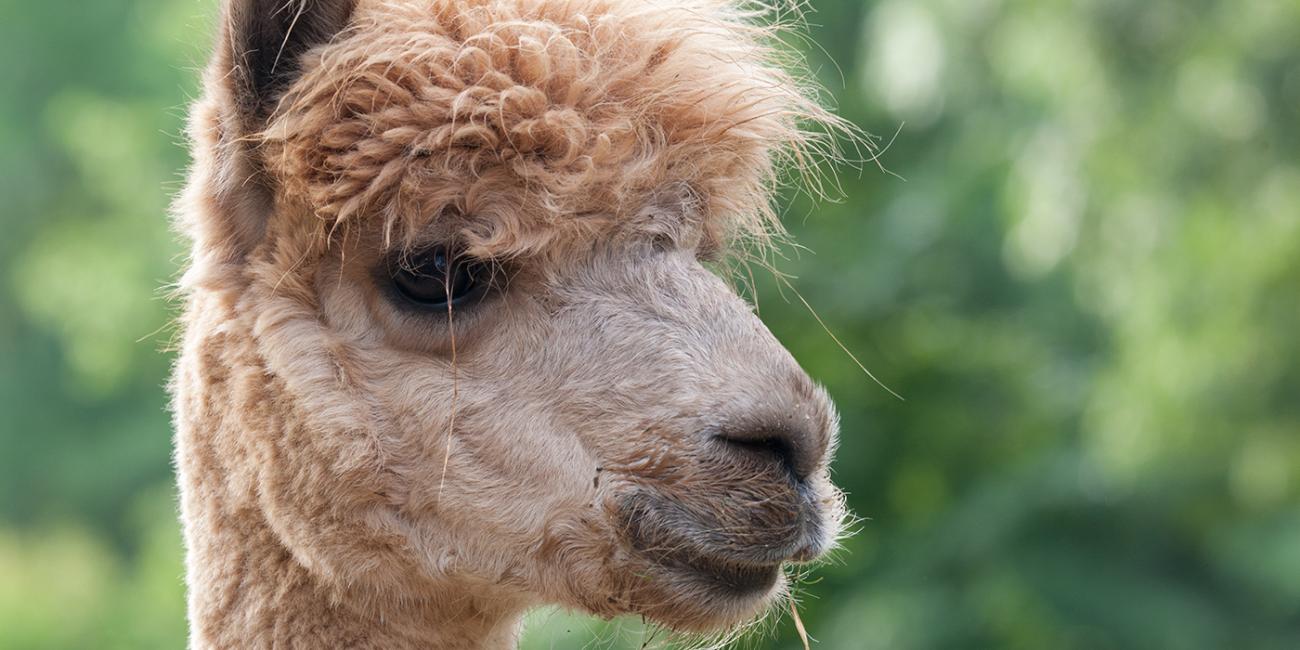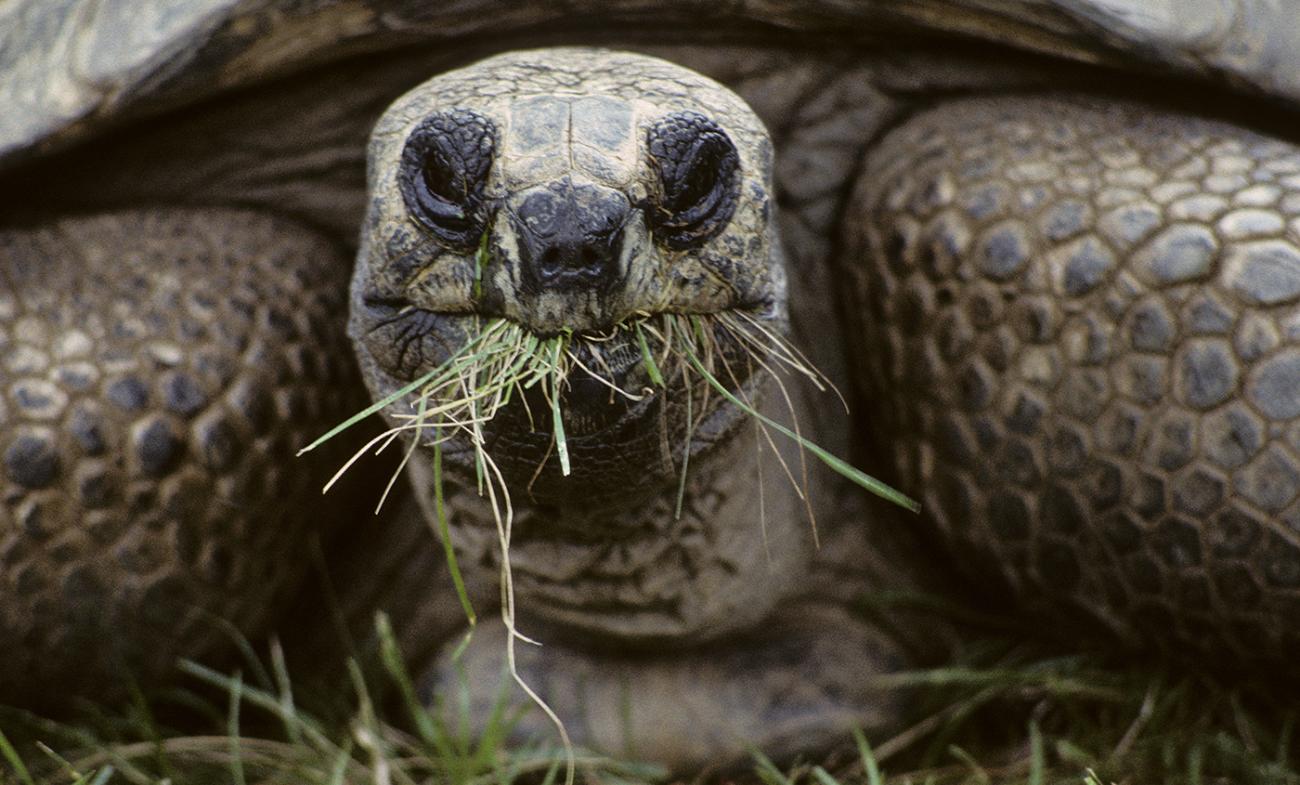
Animals in this Exhibit
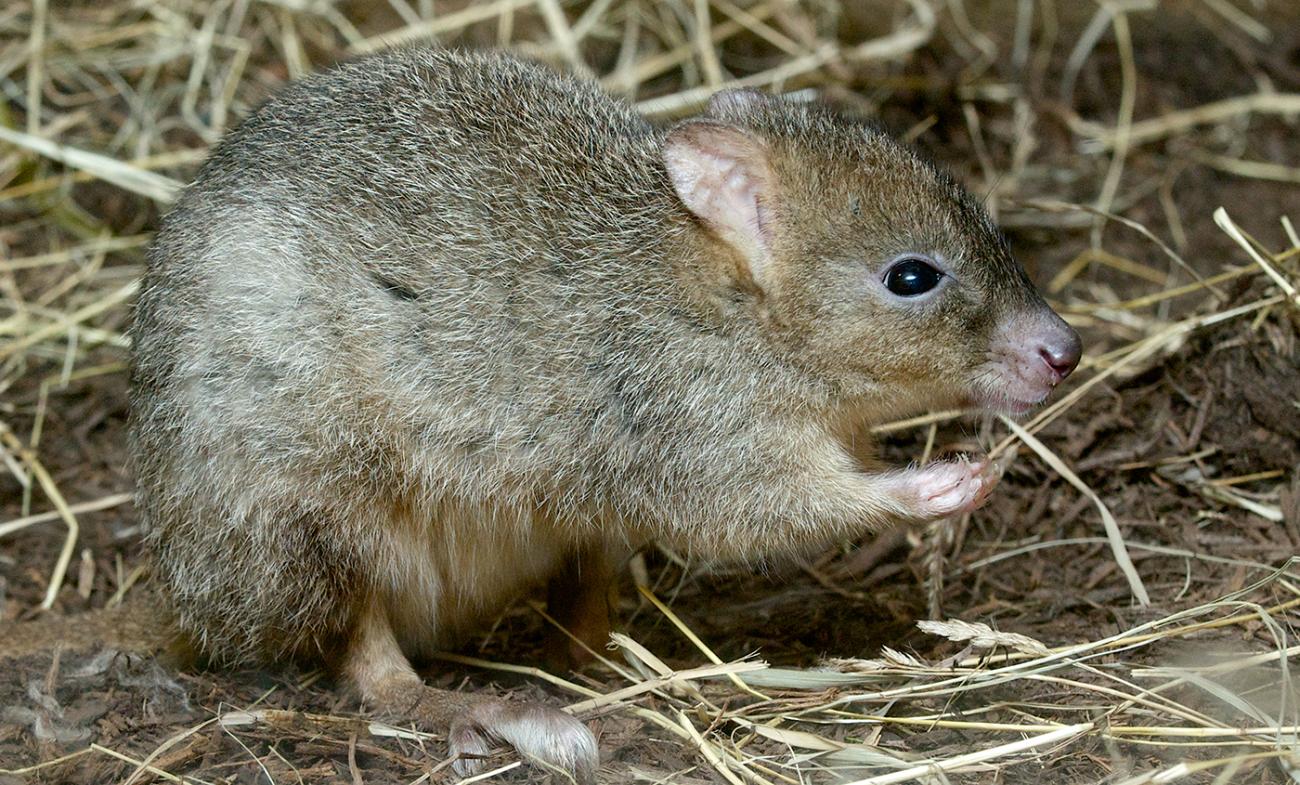
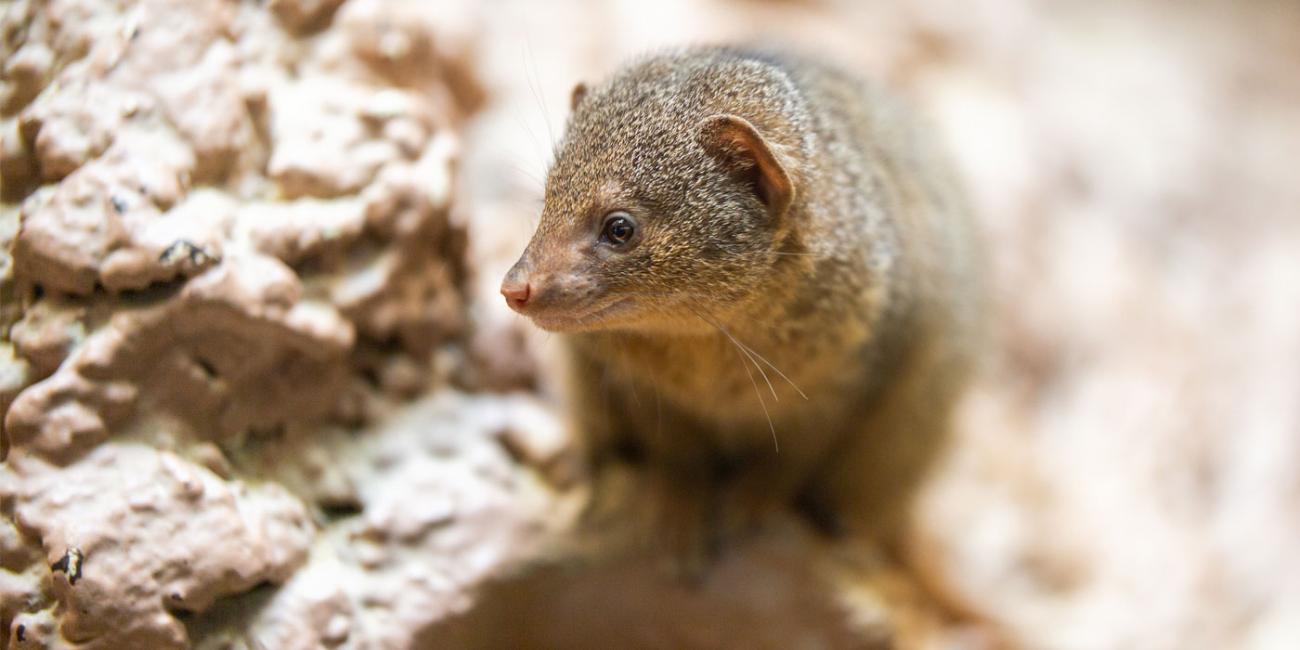
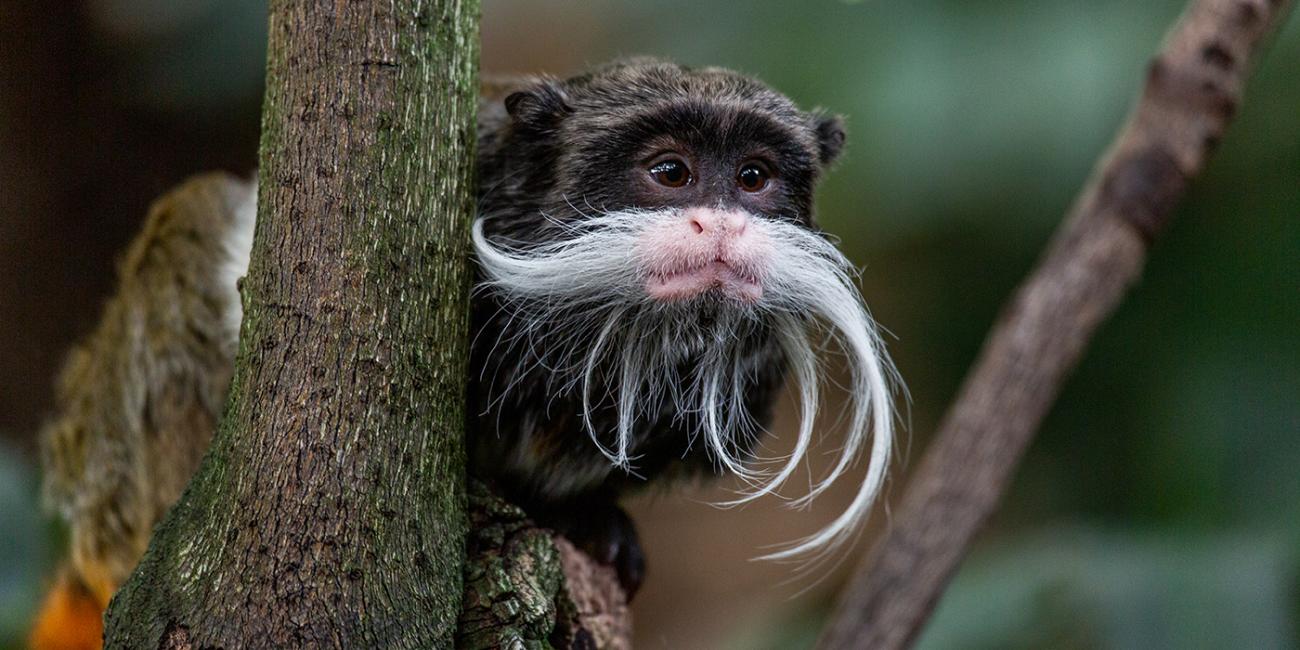
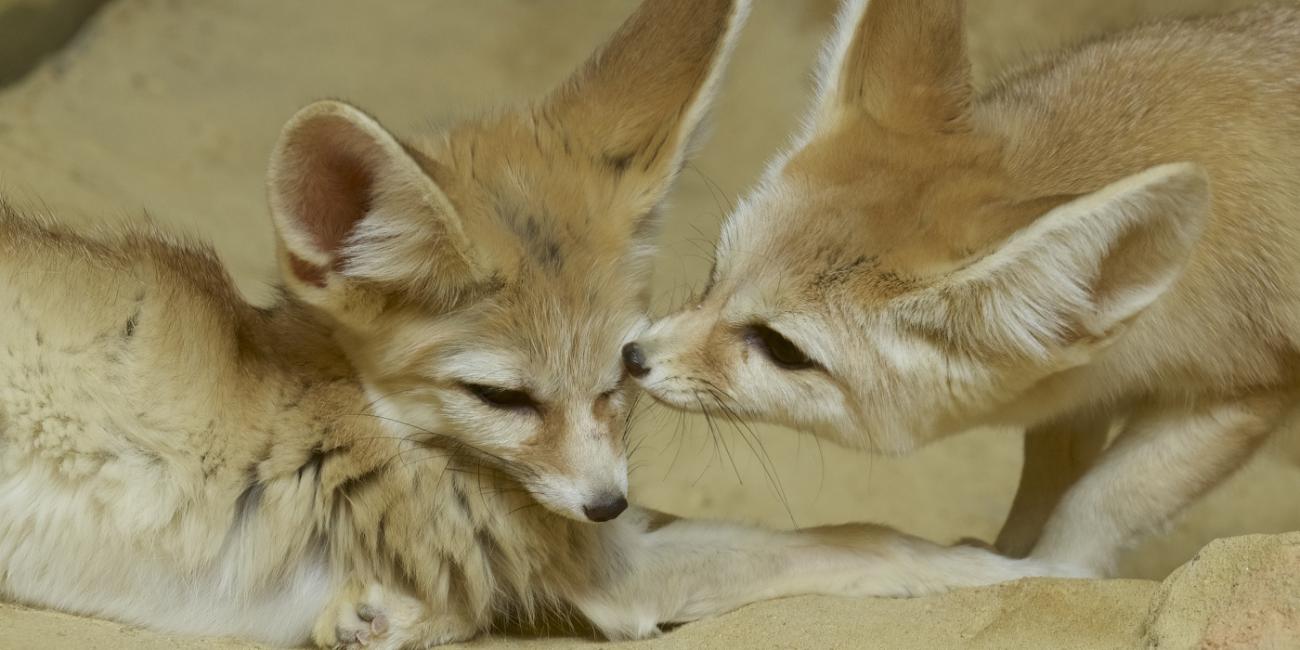
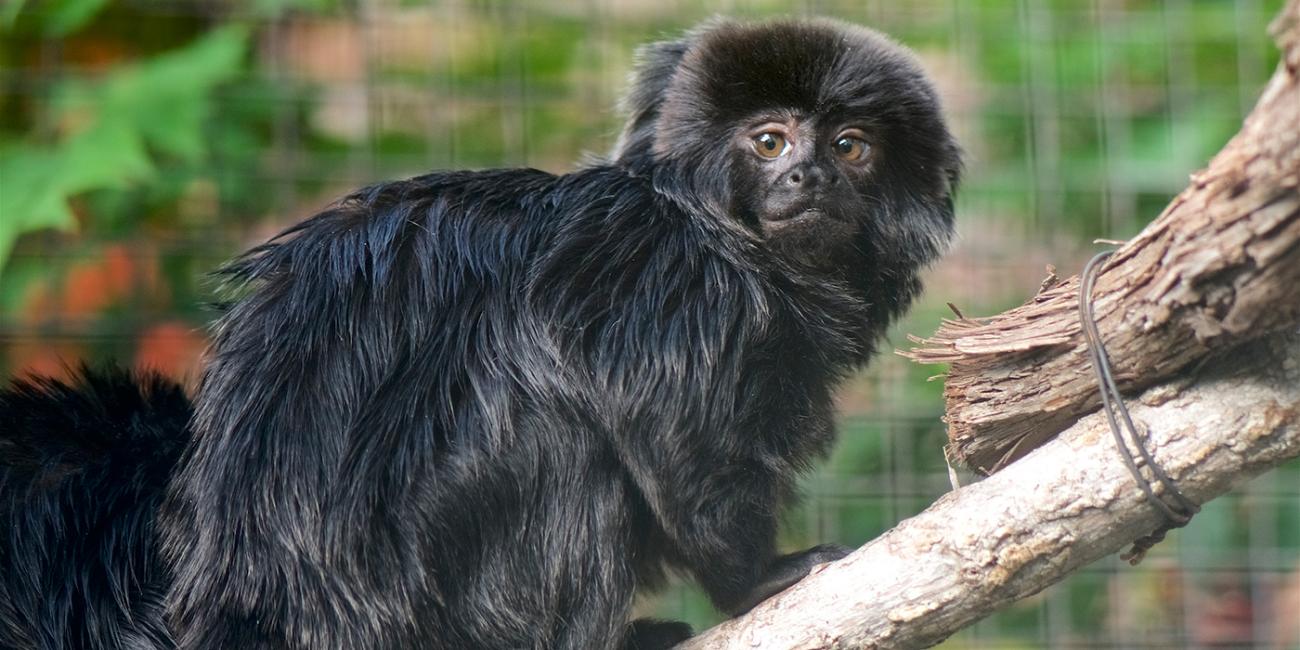
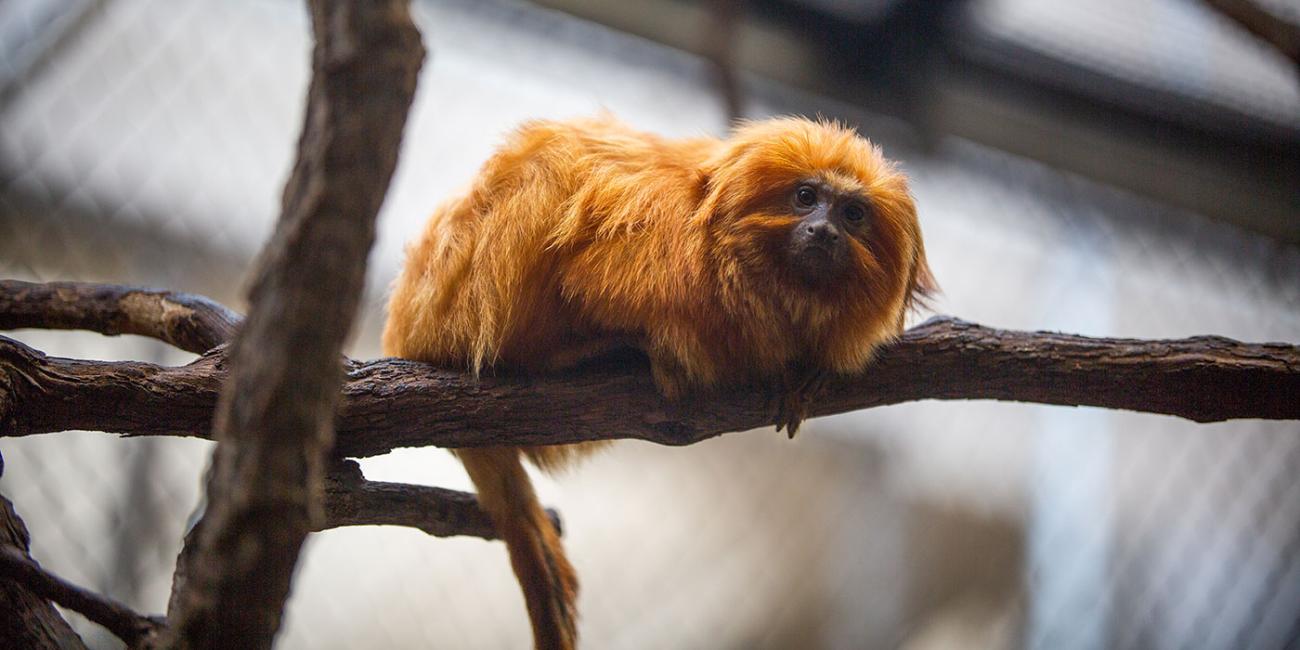
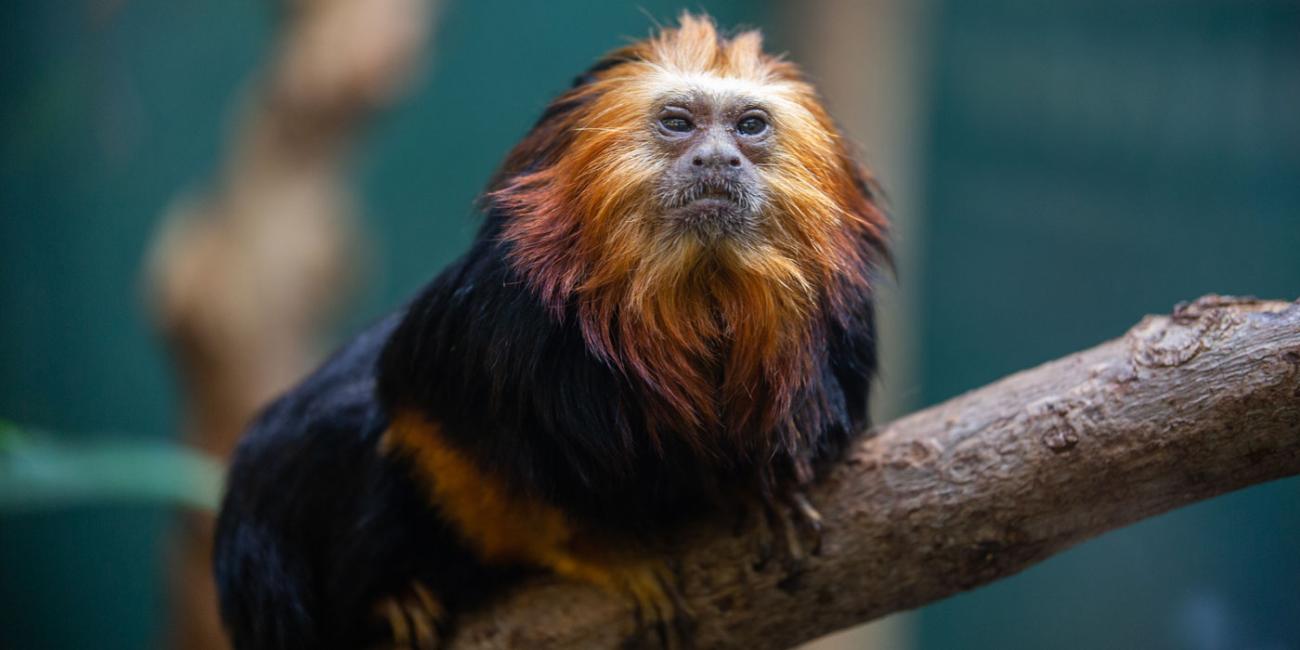
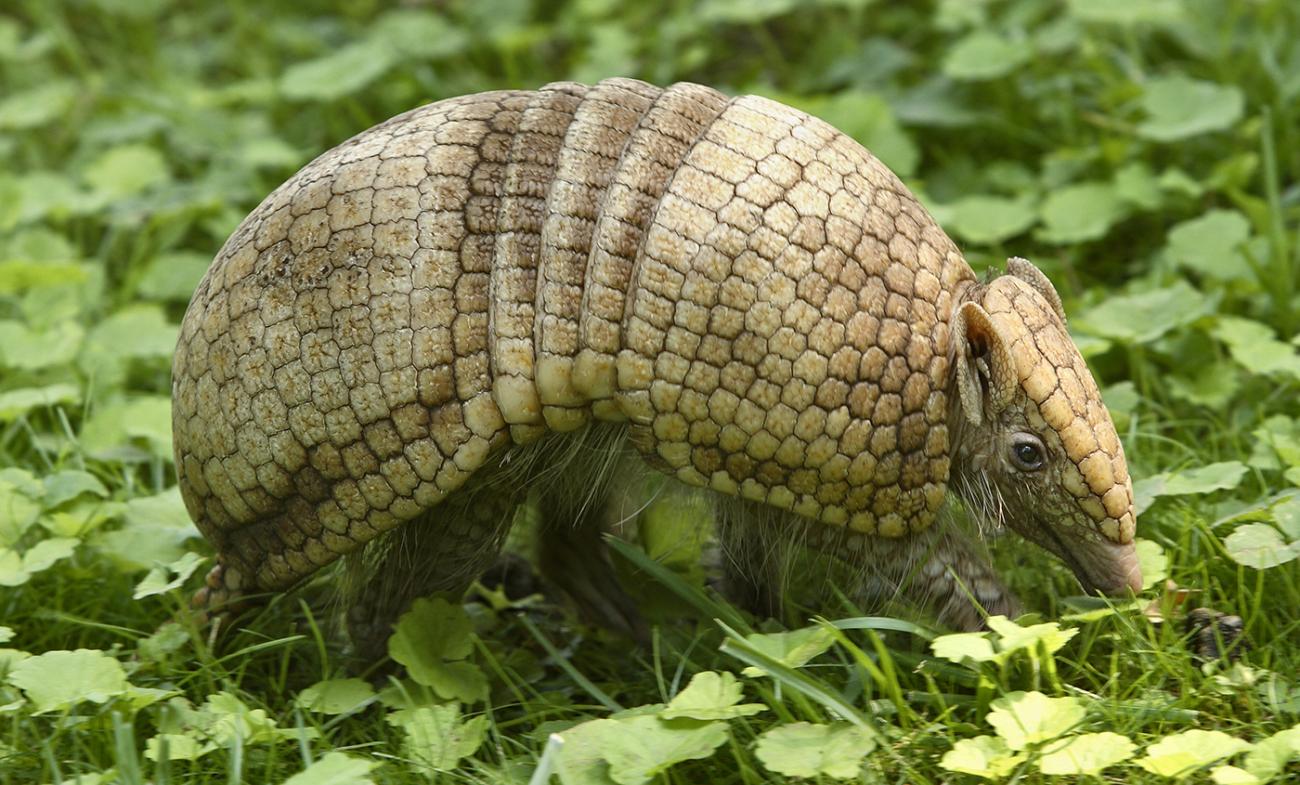
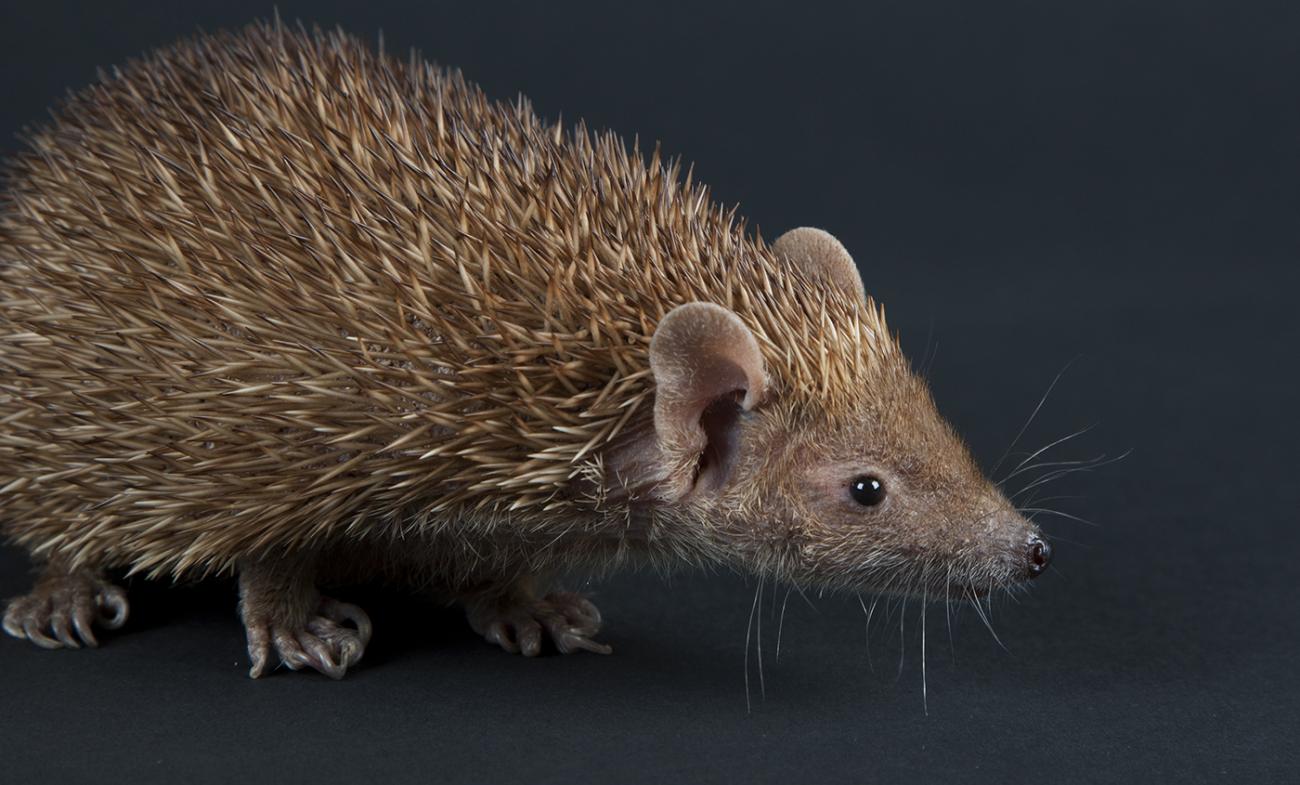
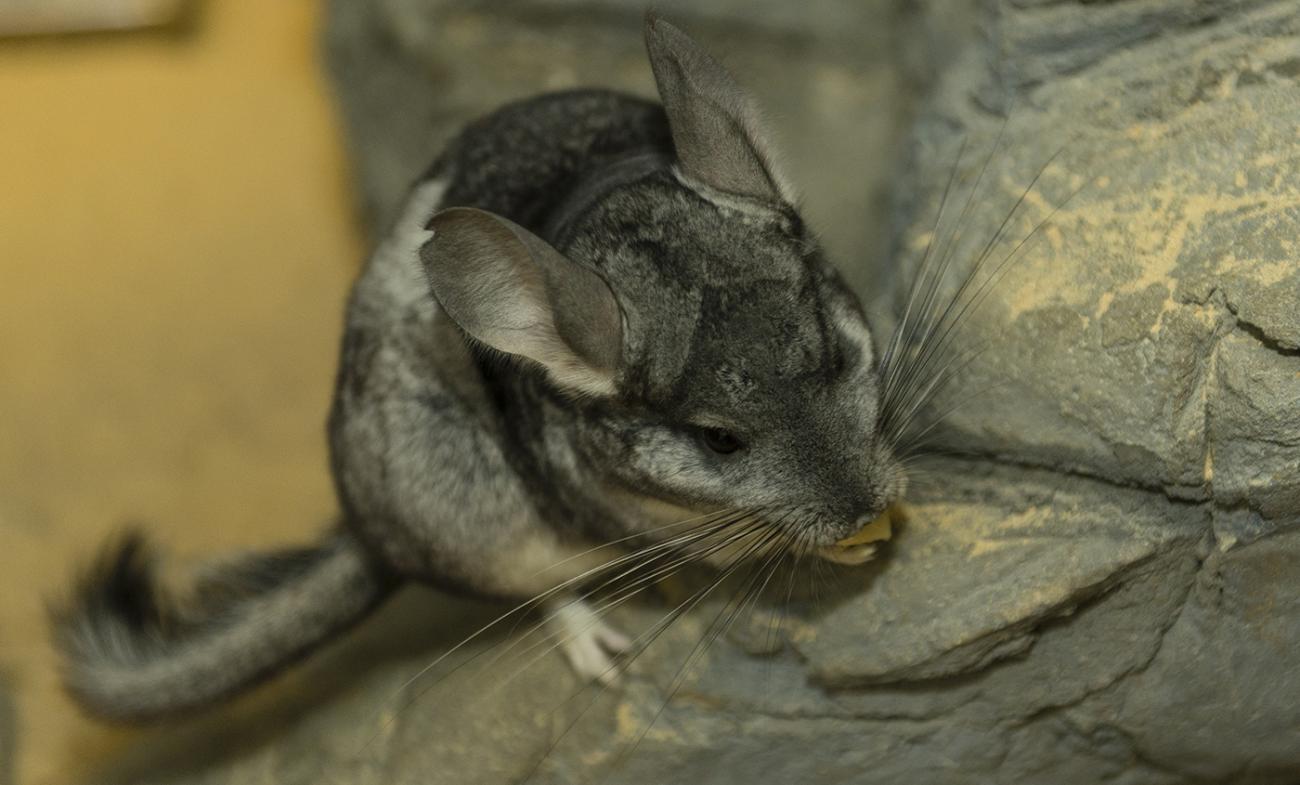
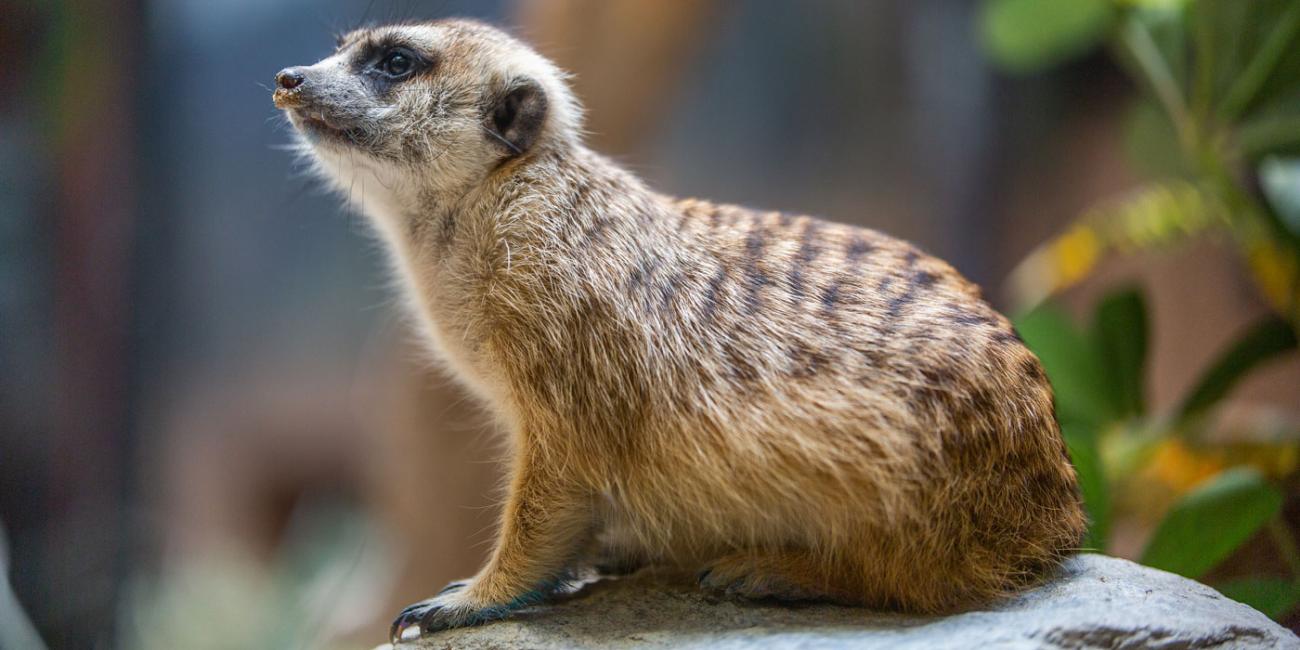
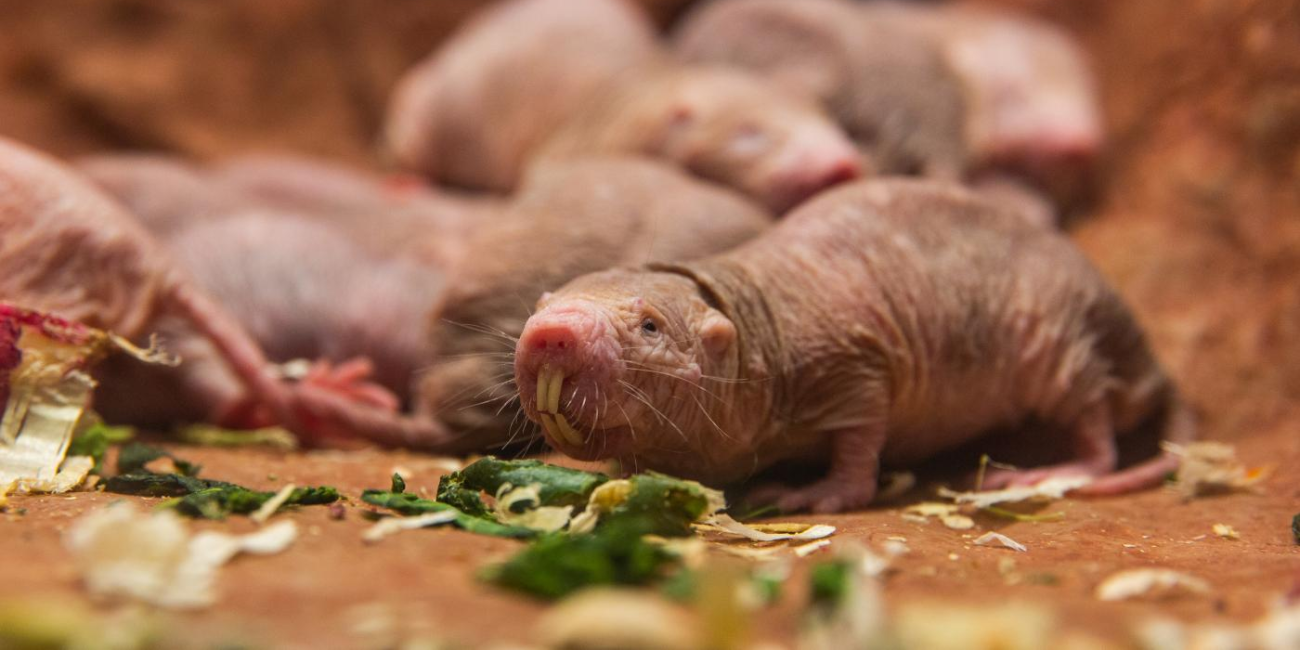
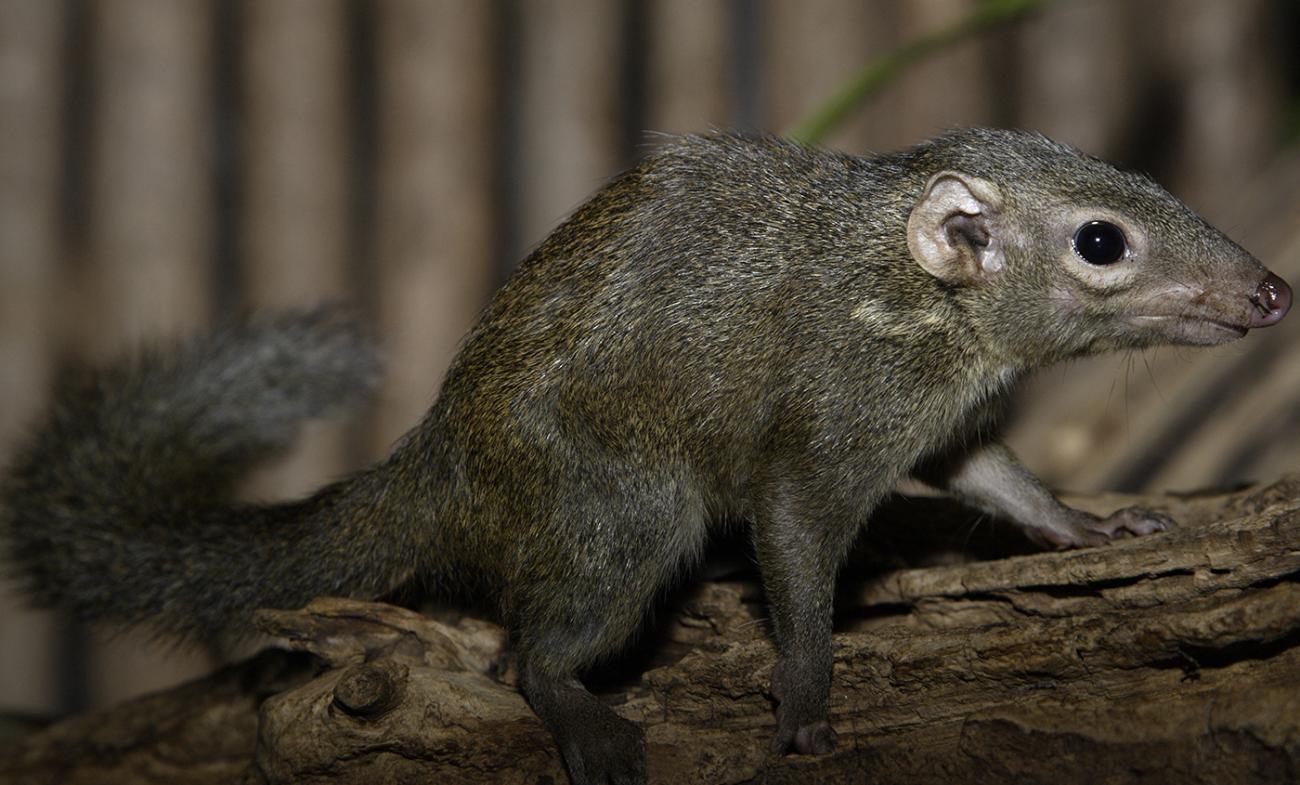
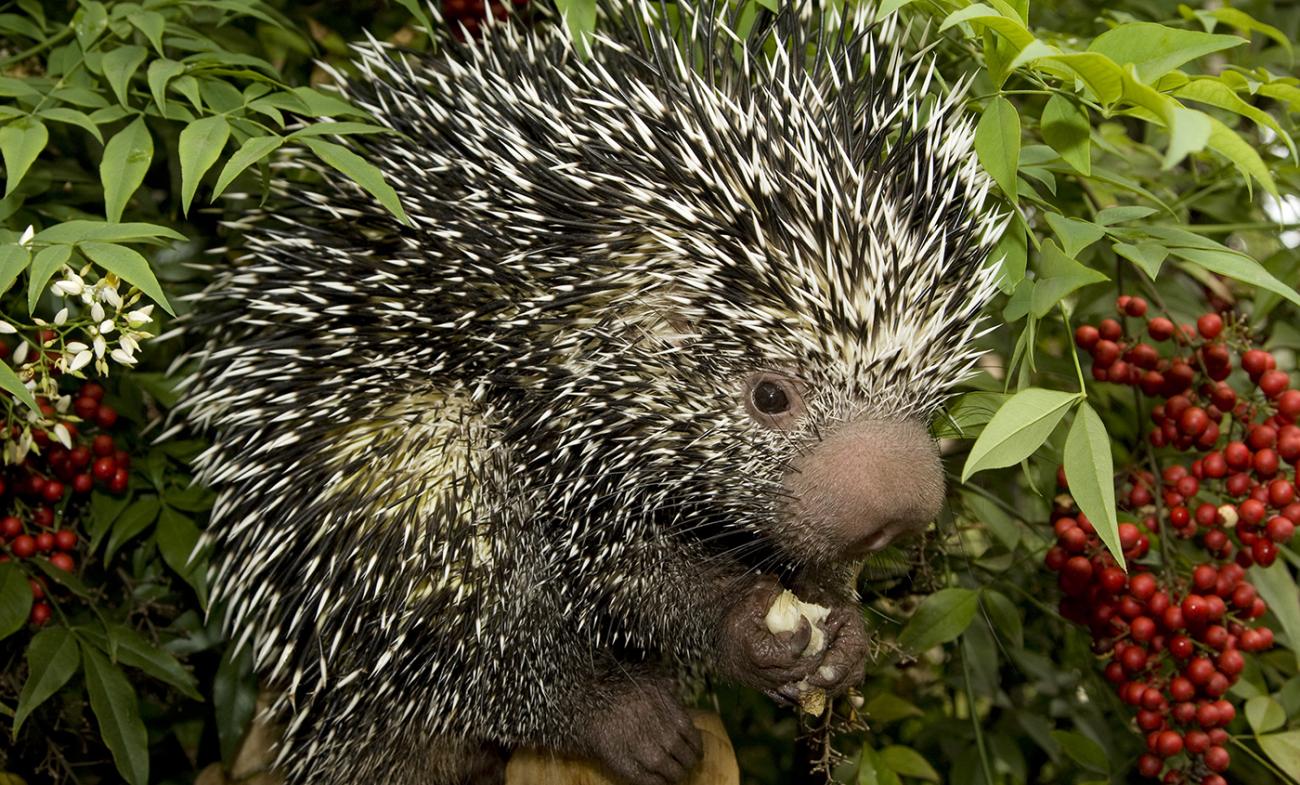
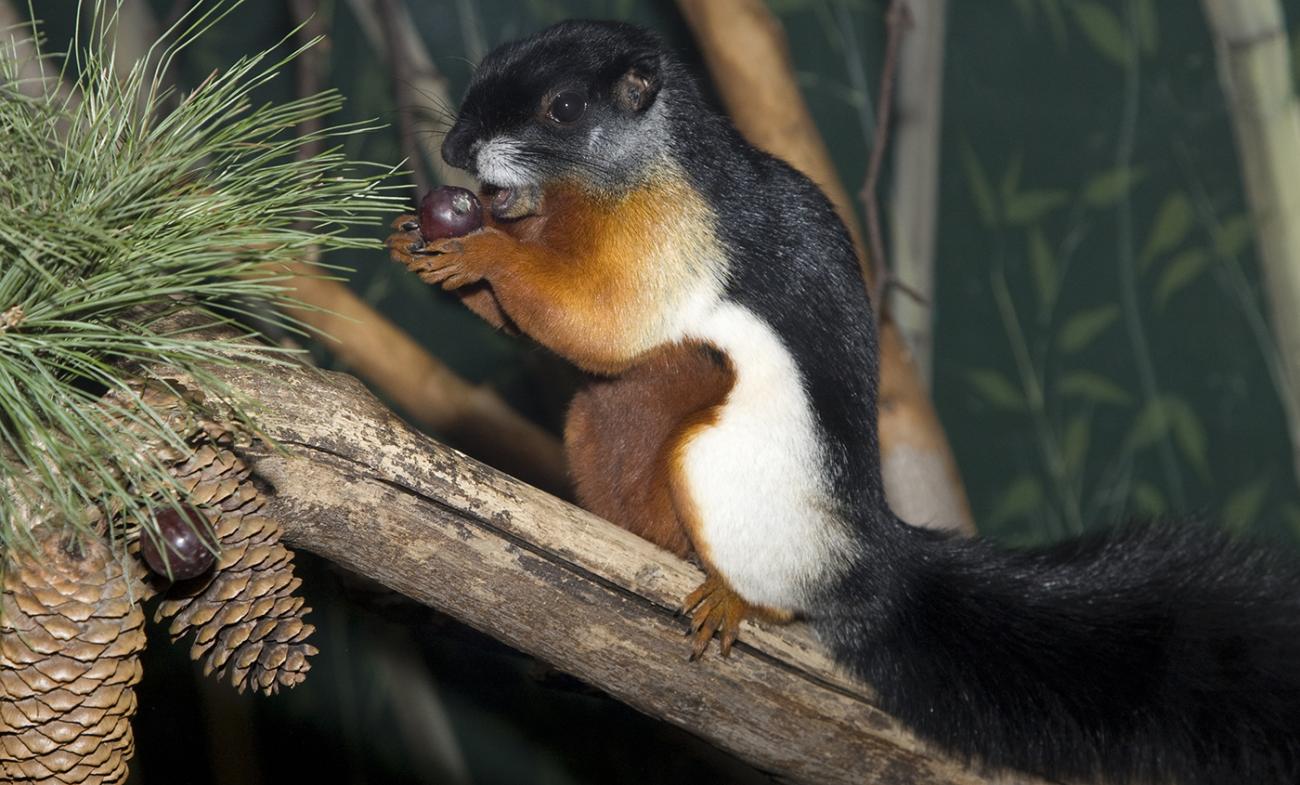
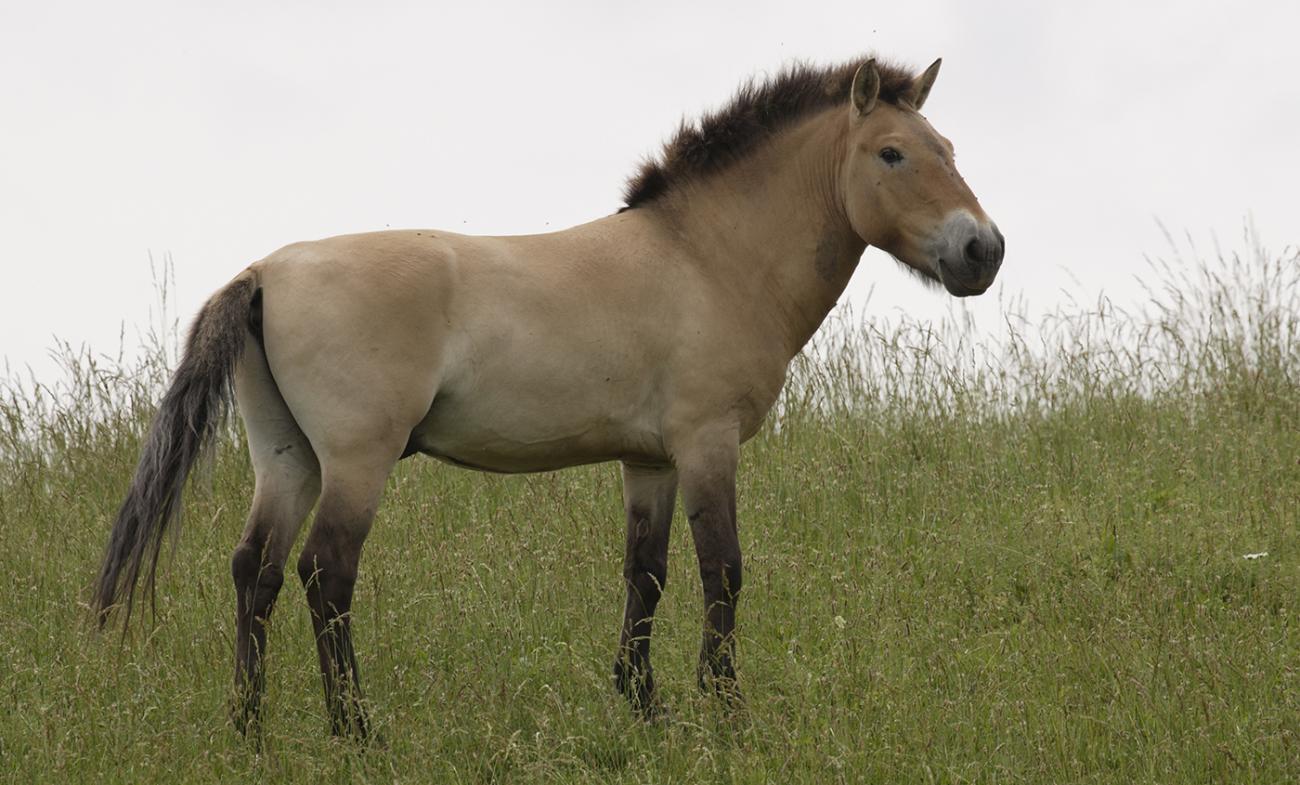
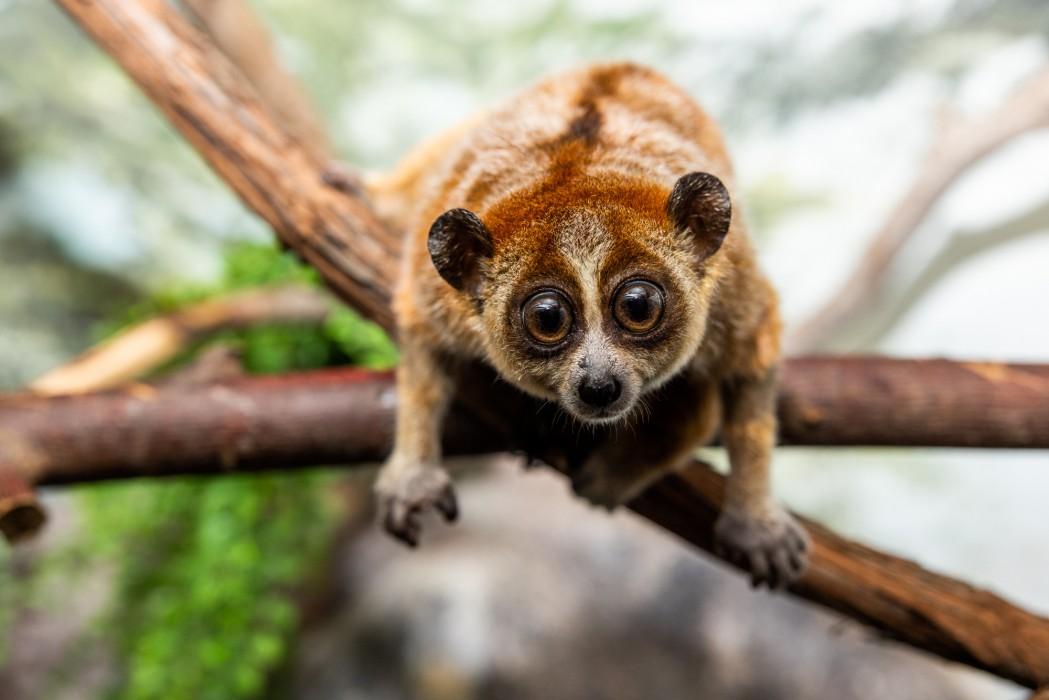
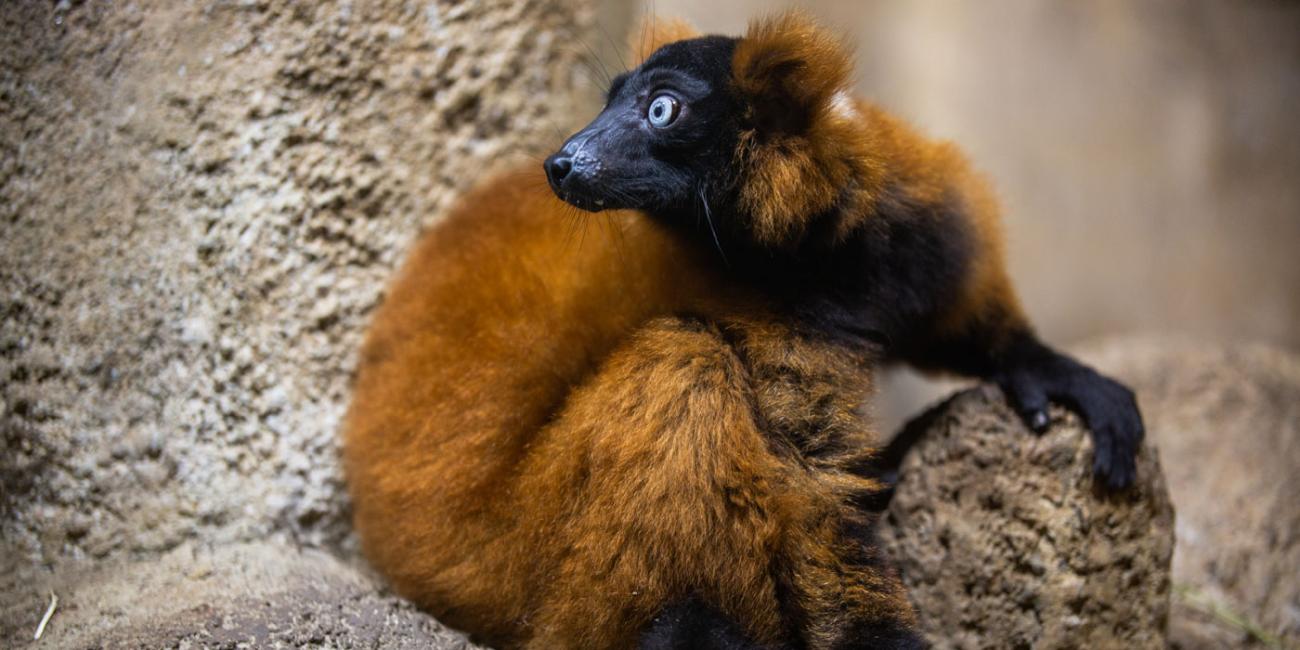
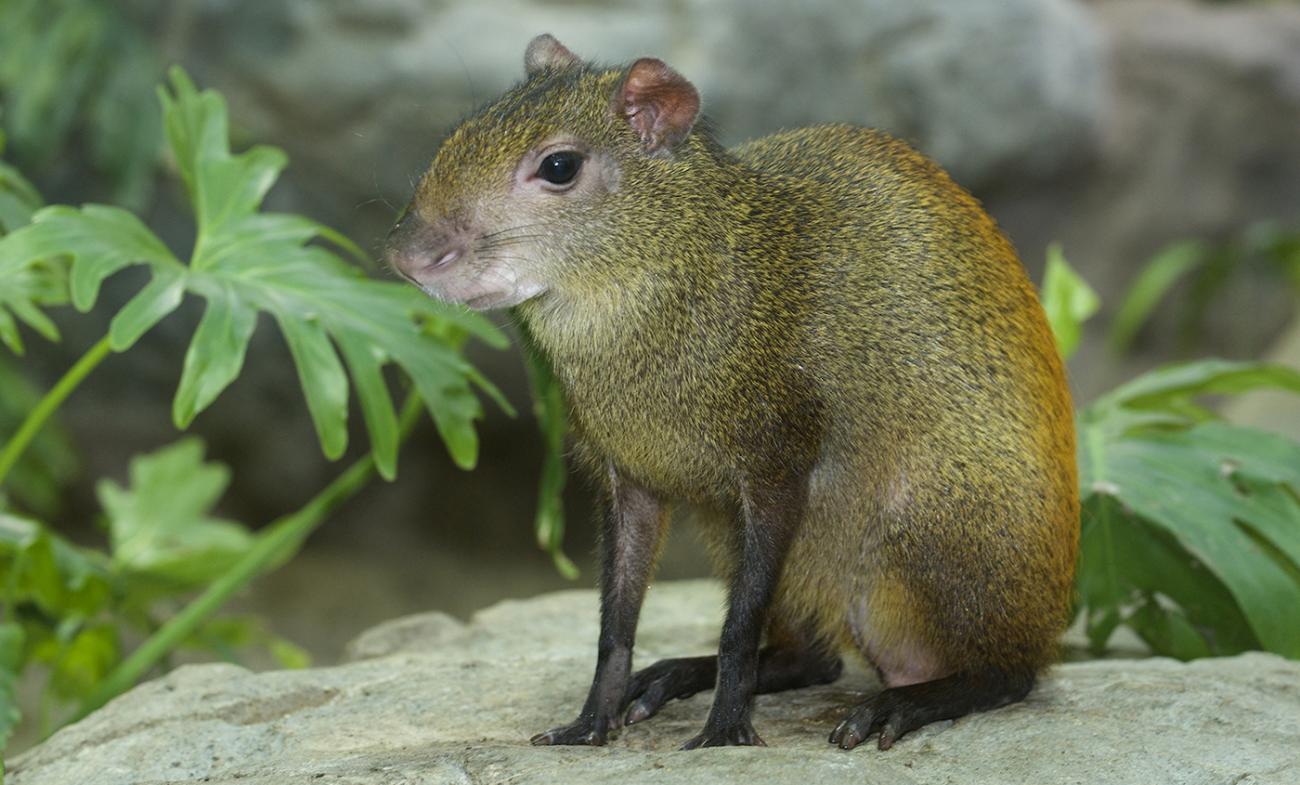
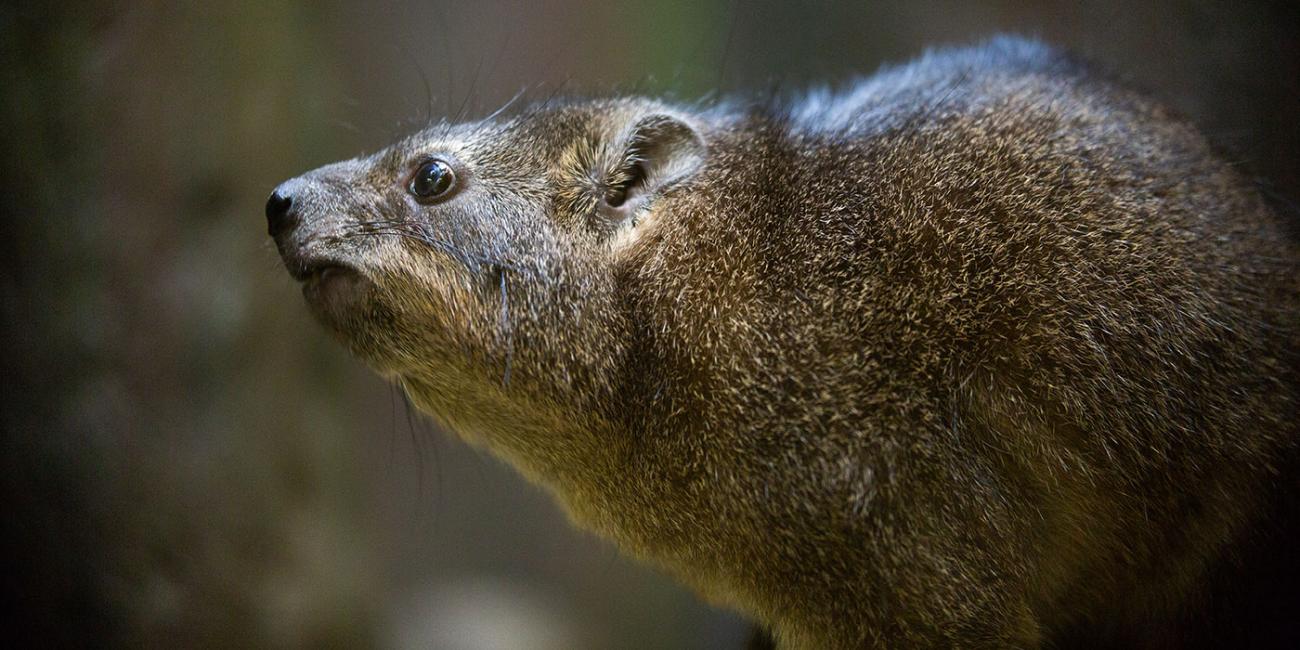
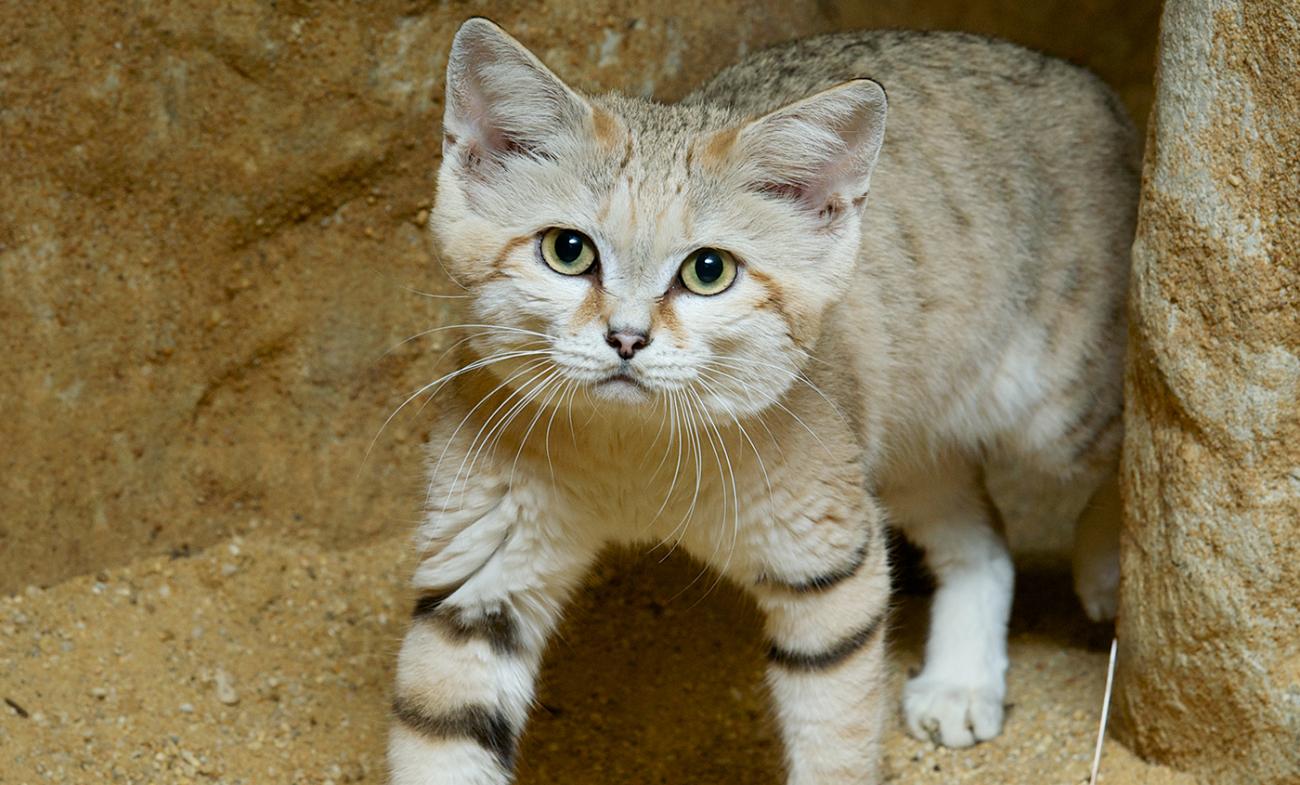
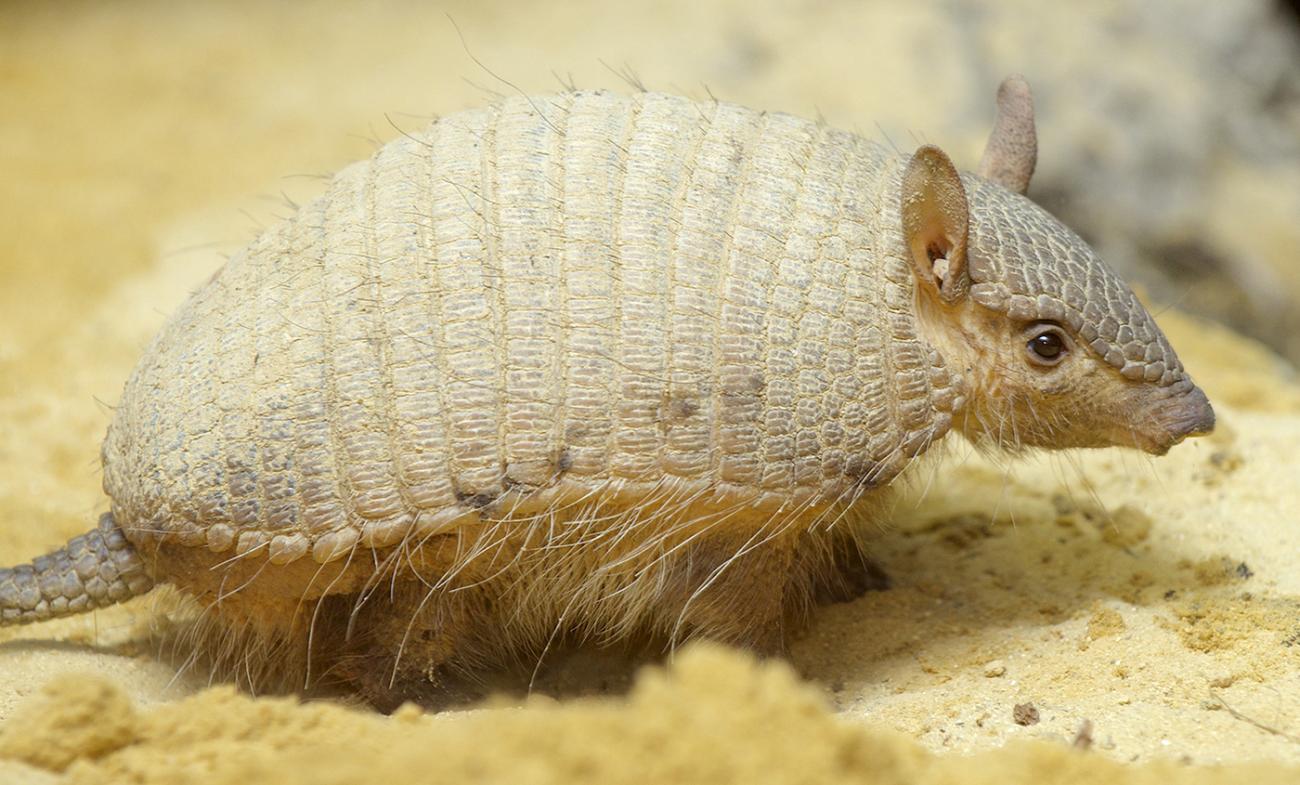
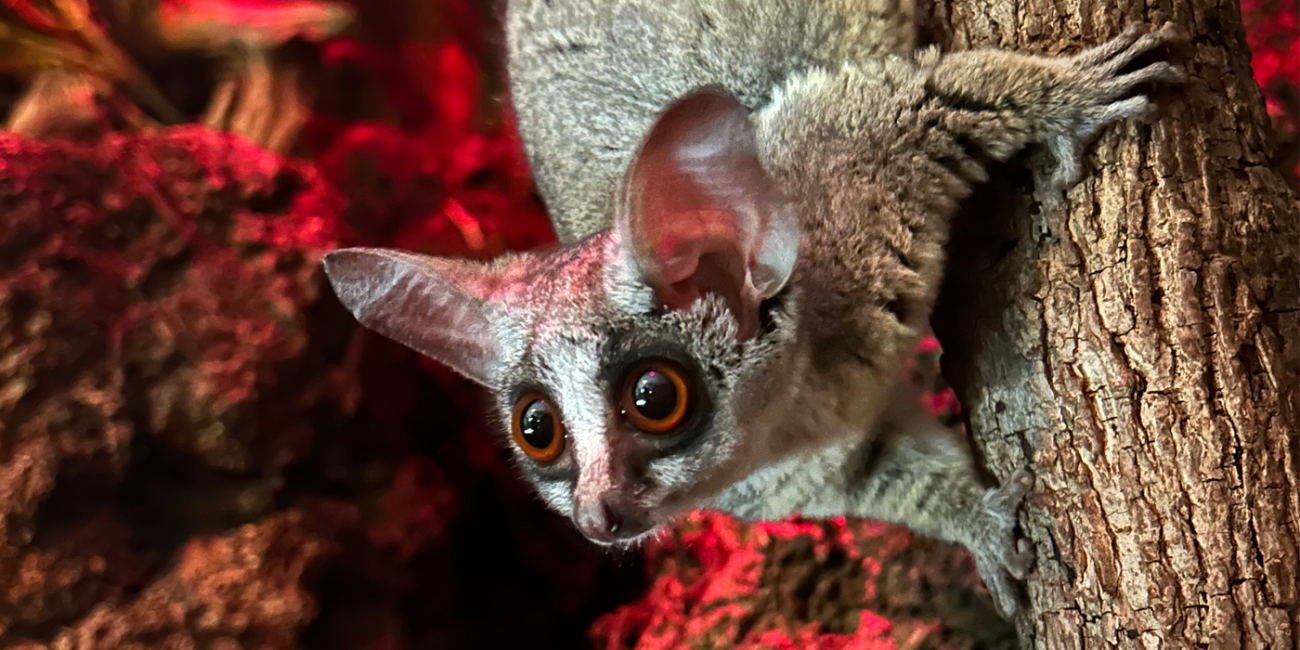
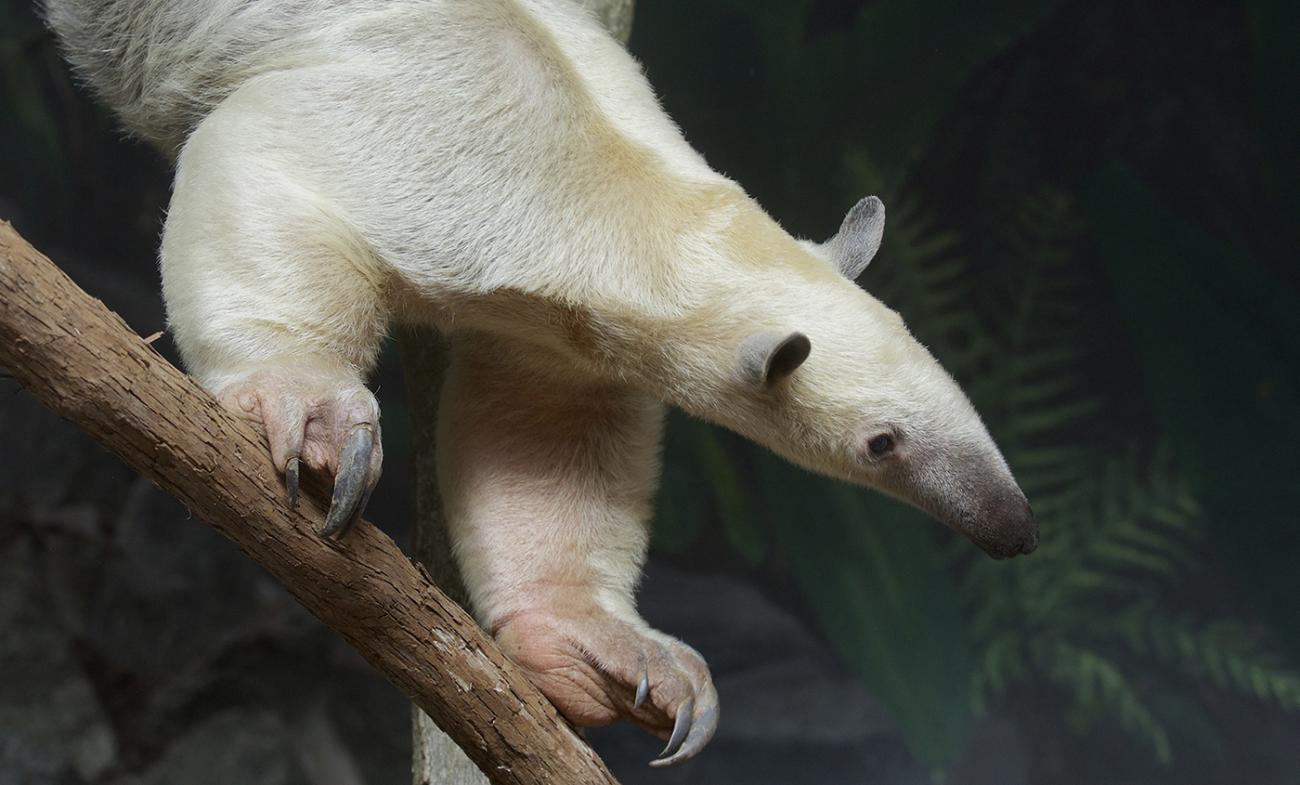
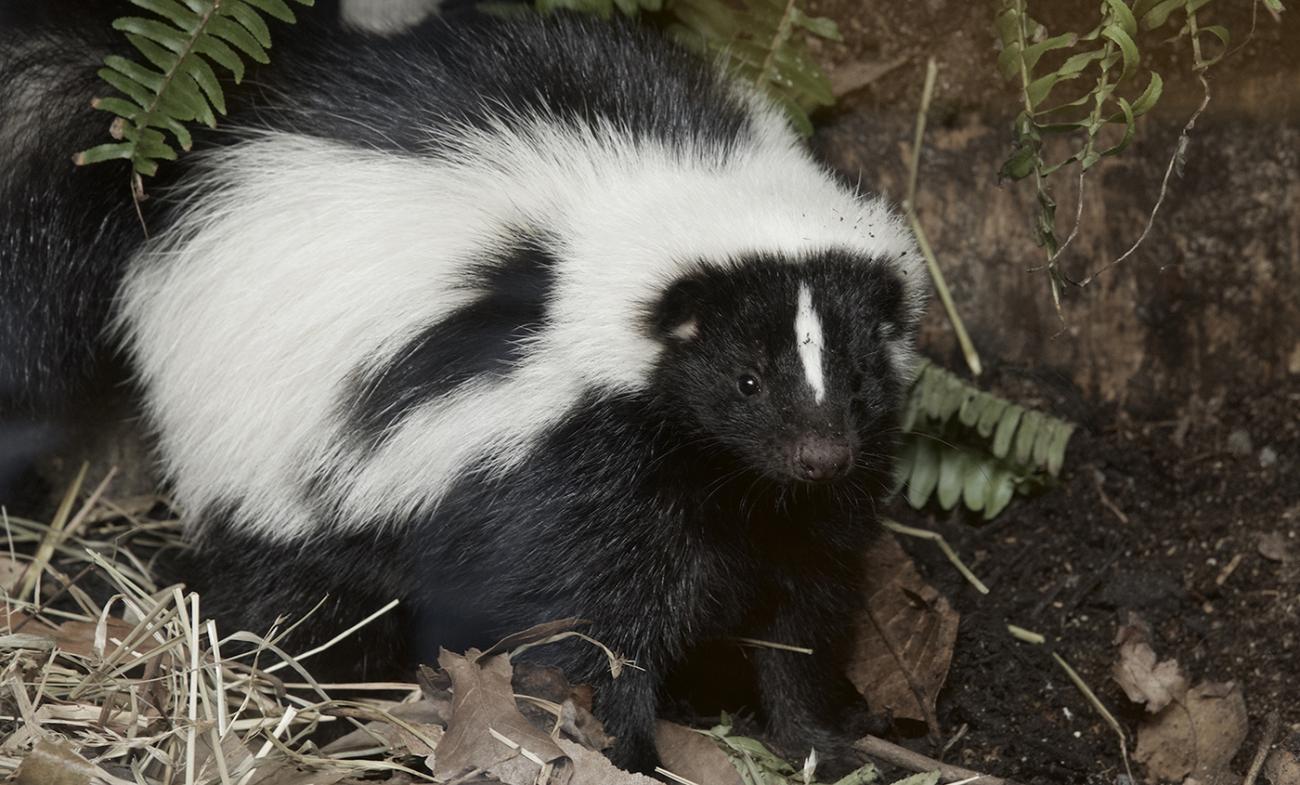
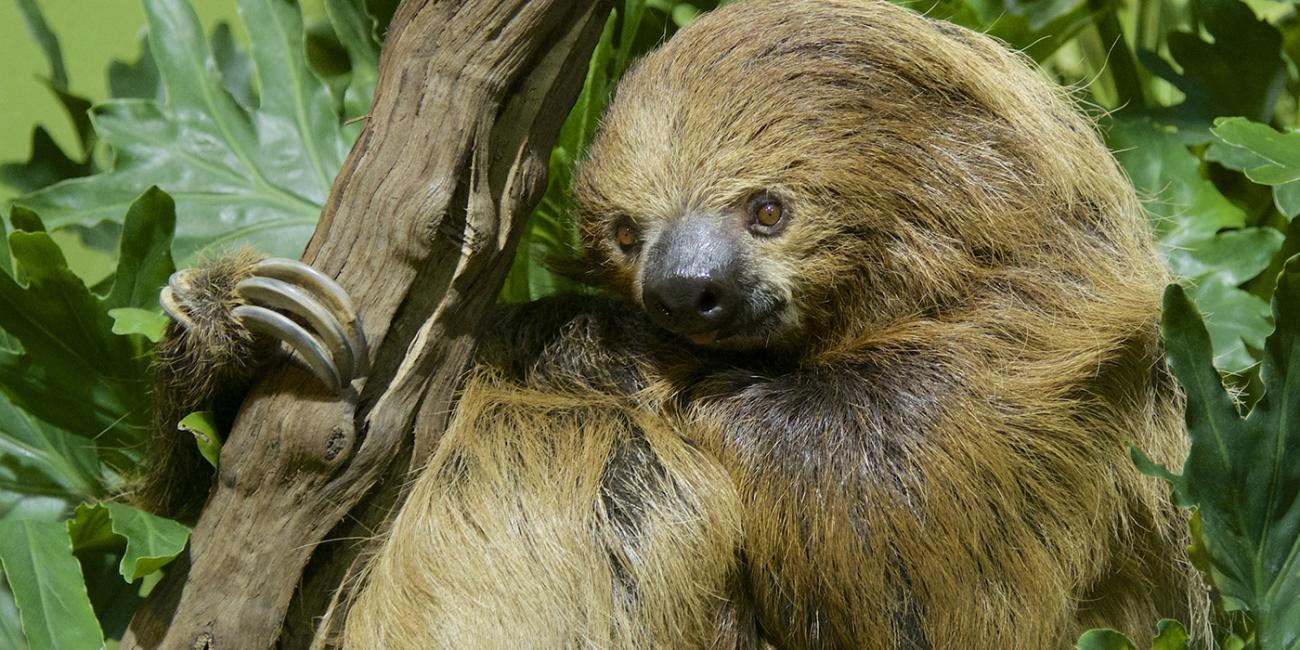
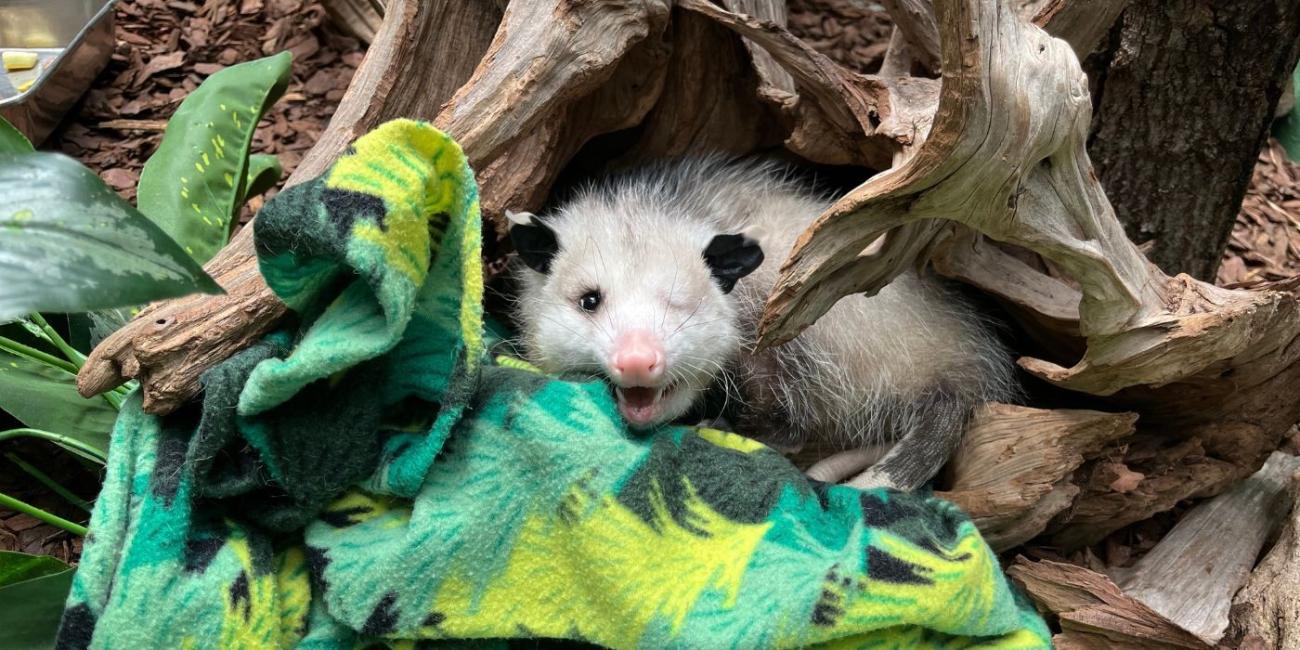
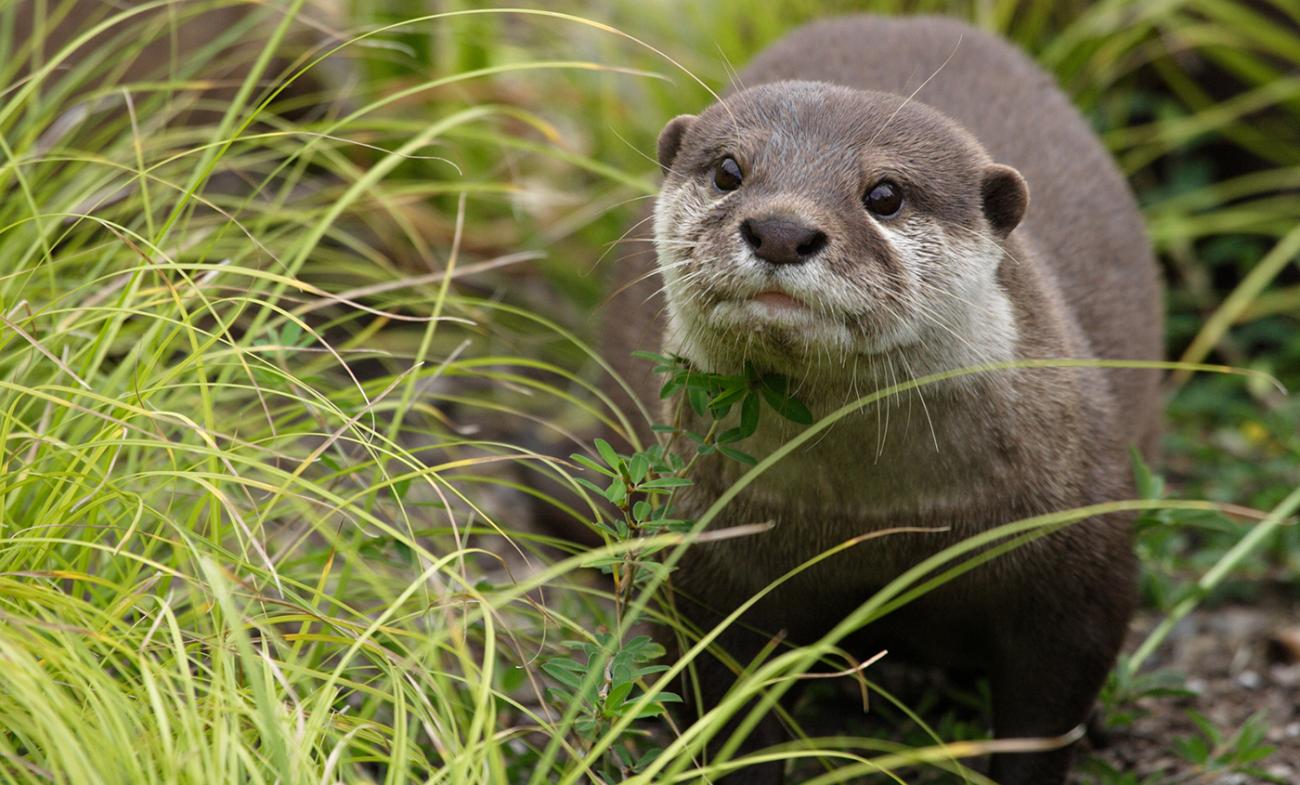
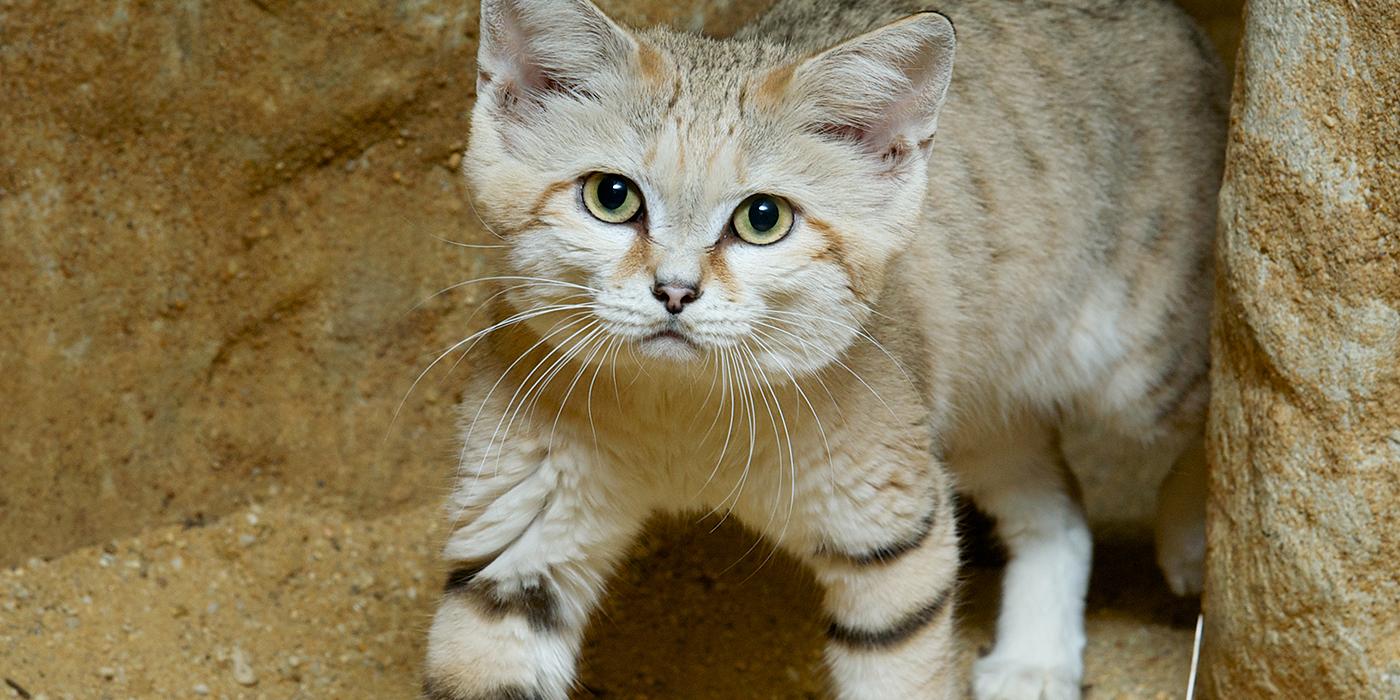
Scurry into the Smithsonian’s National Zoo’s Small Mammal House, and meet more than 35 species as they move, eat and play in enclosures that mimic their wild habitats. Sand cats dwell in desert landscapes, golden lion tamarins jump from tree to tree and naked mole-rats tunnel through translucent tubes.
Some small mammals share space in mixed-species exhibits, providing the animals an opportunity to interact just as they would in their native habitats. Puzzle feeders, kong toys and other items are carefully placed throughout the exhibits as part of the Zoo’s enrichment program to encourage the animals to exercise their brains and bodies.
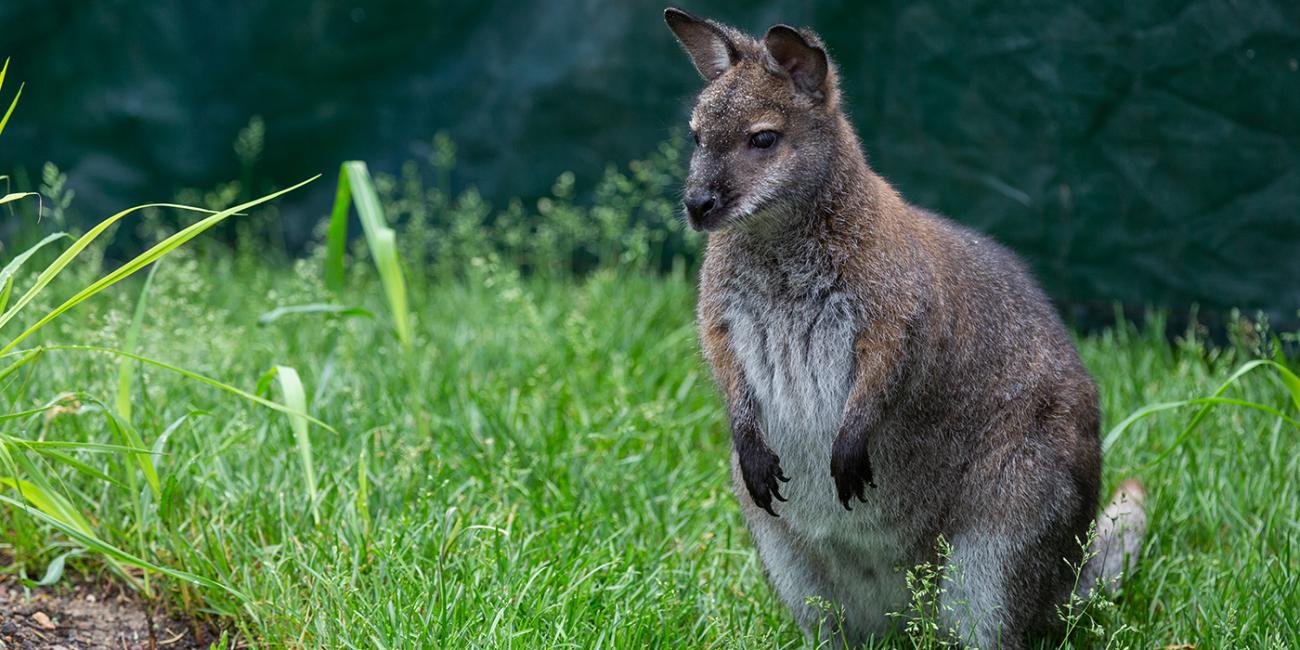
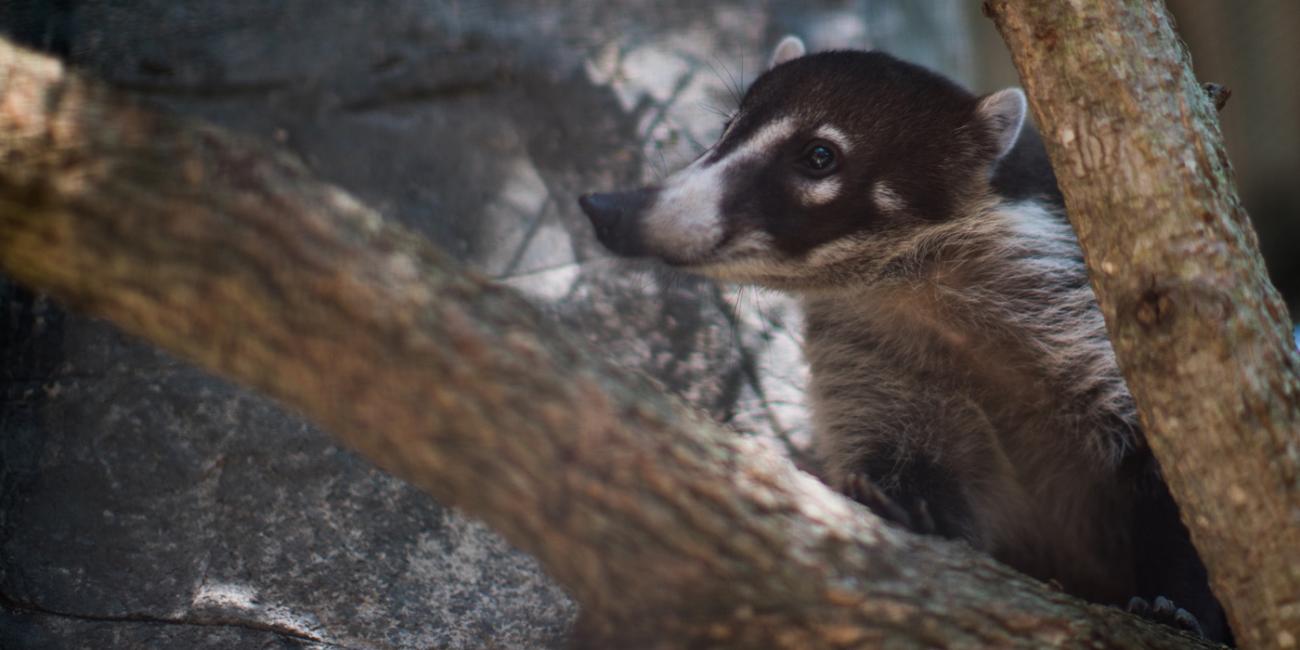
Back outside, head down the wooden boardwalk adjacent to Small Mammal House where you'll meet Bennett's wallabies. Continue around the back of the building to get up close to white-nosed coatis and, during warm weather months, see (and hear) howler monkeys.
Learn how Small Mammal House residents move, eat and play at the Inside Story, an exhibit that uses radiographs and artifacts to explain the relationship between animal body structure and behavior. Learn how body shape influences why some animals swim and others run, hang or jump. This exhibit was funded by a generous grant from the Smithsonian Women’s Committee.
Small Mammal House keepers provide the animals with enrichment — enclosures, socialization, objects, sounds, smells and other stimuli — to enhance their well-being and give them an outlet to demonstrate their species-typical behaviors. An exhibit’s design is carefully and deliberately planned to provide physically and mentally stimulating toys, activities and environments for the Zoo’s animals. Each enrichment is tailored to give an animal the opportunity to use its natural behaviors in novel and exciting ways.
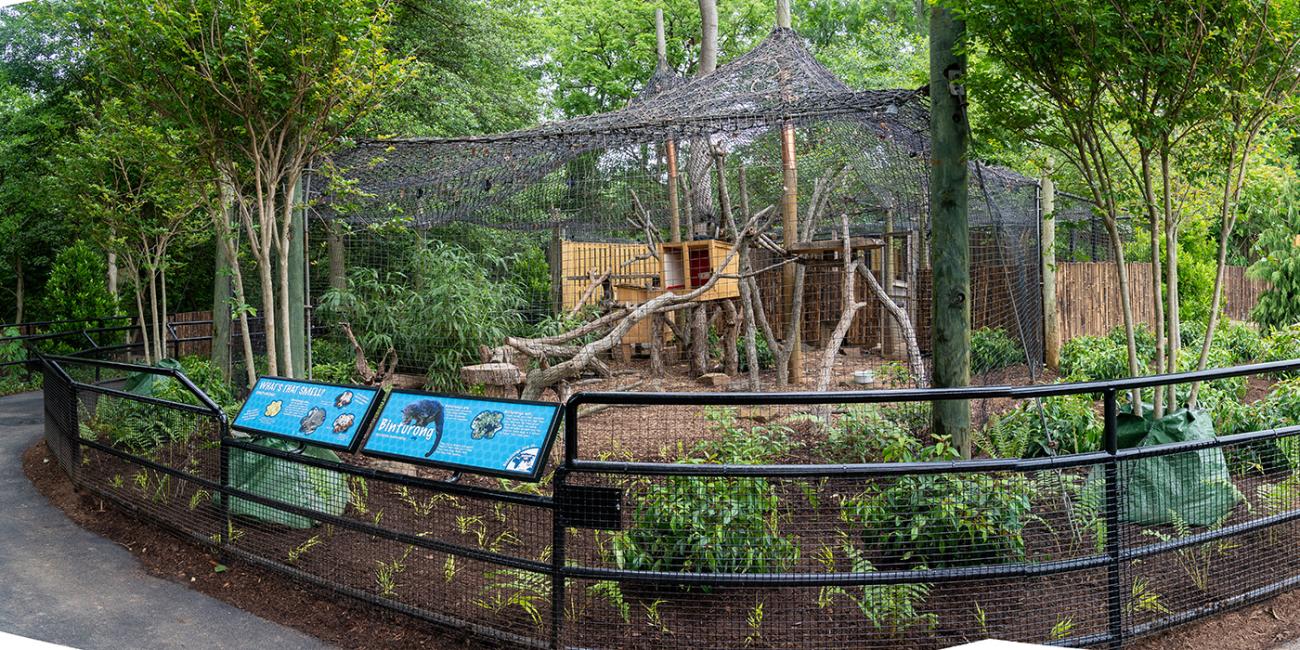
At Small Mammal House, enclosures are designed to mimic the animals’ wild habitats and encourage natural foraging and social behaviors. Every branch, vine and stone was purposefully placed by keepers to encourage animals to explore their enclosures. Keepers will often scatter and hide food throughout the exhibits or in puzzle feeders to encourage foraging and problem-solving.
Trees within exhibits for arboreal animals, for example, include branches for climbing. Just like real trees, they are designed to have a little bit of give (instead of being immobile). Chunky mulch not only resembles the forest floor visually, but allows mealworms to burrow down into it, where mongooses and other insect eaters can forage for them. The meerkats’ rocky exhibit features hilly areas so that the animals can carry out their instinctive guarding behavior.
In addition to environmental enrichment, many animals participate in training sessions. This social enrichment provides an animal with exercise and mental stimulation while reinforcing the relationship between an animal and his/her keeper. A prehensile-tailed porcupine female was trained to participate in ultrasounds, which enabled animal care staff to provide her with prenatal care and prepare for the porcupette’s birth.
Many of the Zoo's animals paint for enrichment, which stimulates their visual, tactile and olfactory senses. Using non-toxic, water-based paint, small mammals create one-of-a-kind works of art. With more than 30 different species, there are literally dozens of different ways to create a painting. Check out a video of the three-banded armadillo using its feet to paint. In addition to tactile stimulation, painting provides social interaction with a keeper. As with any enrichment activity, an animal can either choose to participate or not.
Restrooms are located at the Elephant Outpost.
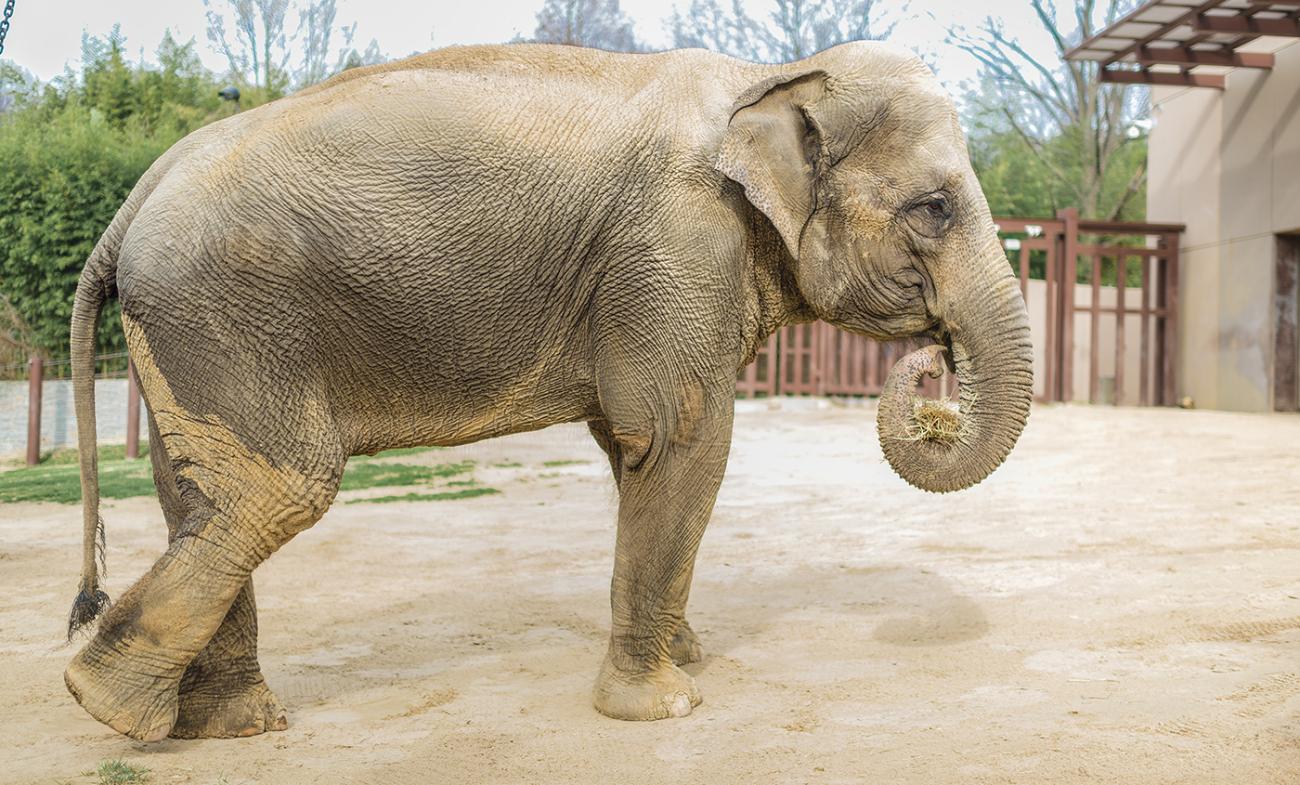
Elephant Trails is located at American Trail’s upper entrance. Visitors can observe the Zoo’s Asian elephants at the Outpost.
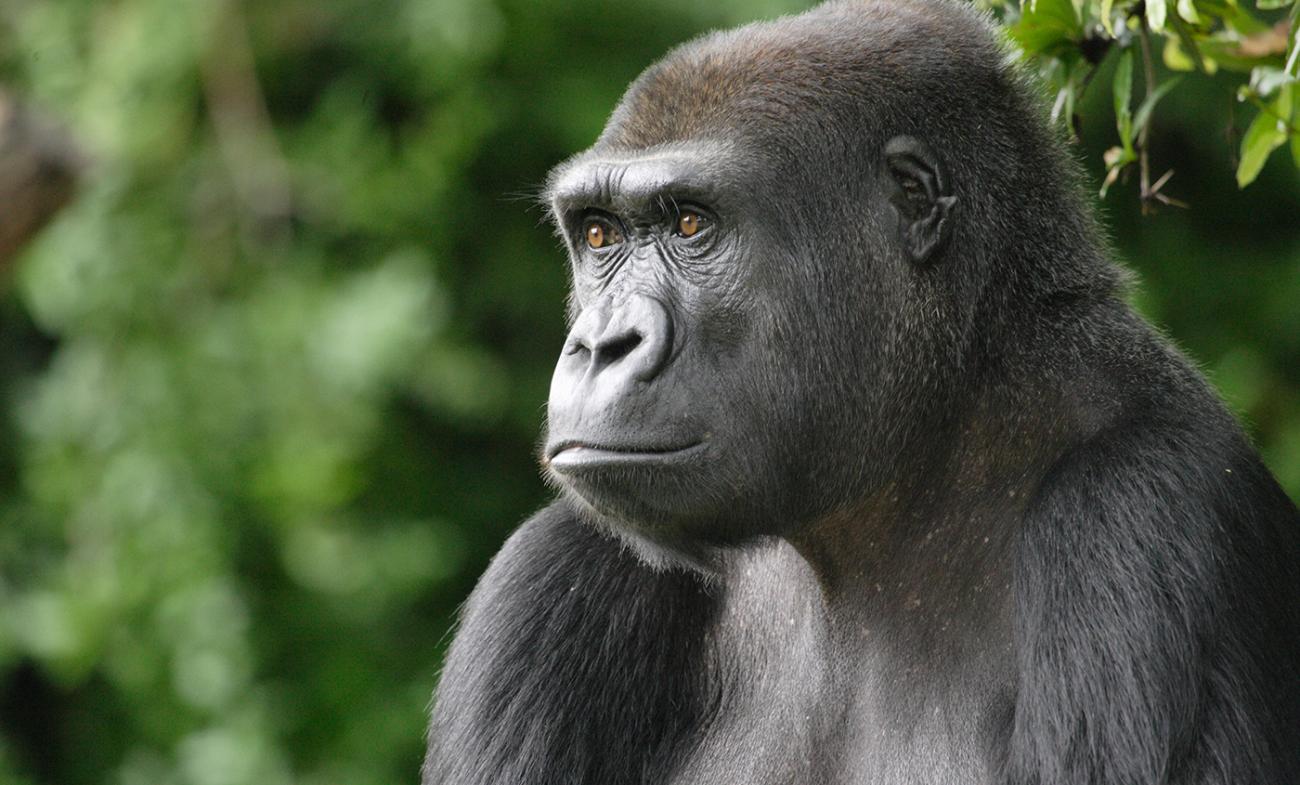
Great Ape House and Think Tank are located downhill from the Small Mammal House. Visitors can observe western lowland gorillas, Bornean and Sumatran orangutans, white-cheeked gibbons, siamangs and more at this location.
Black-Footed Ferret Conservation
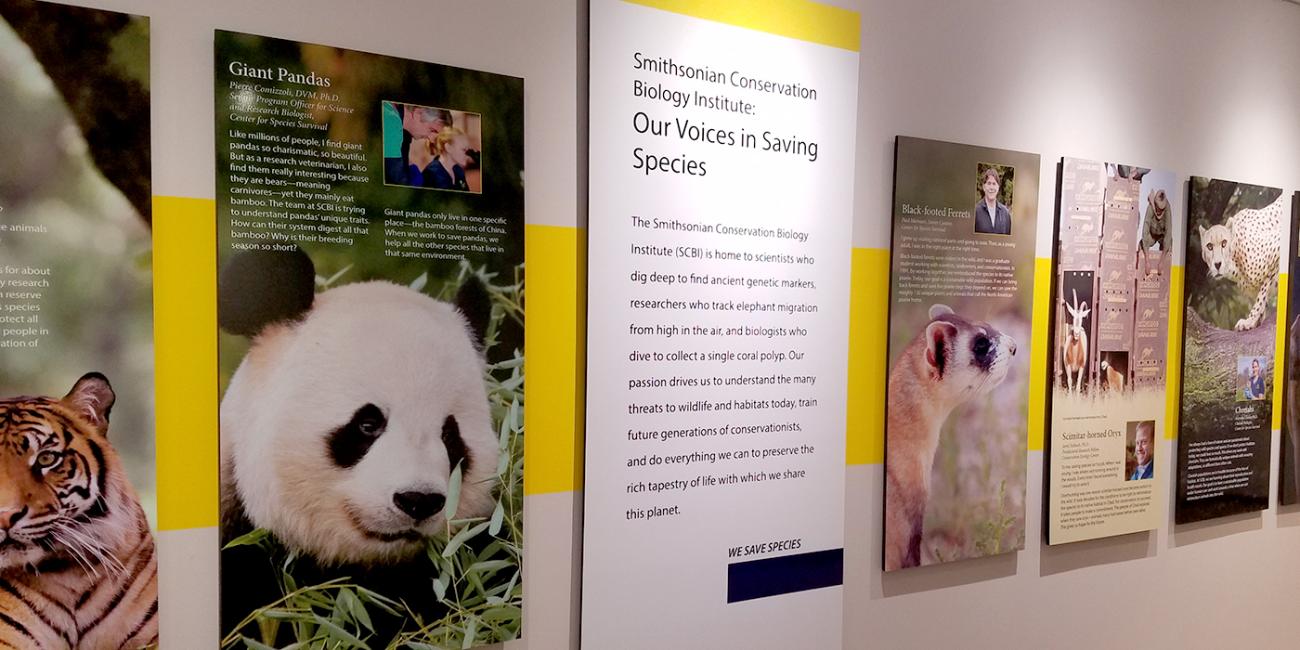
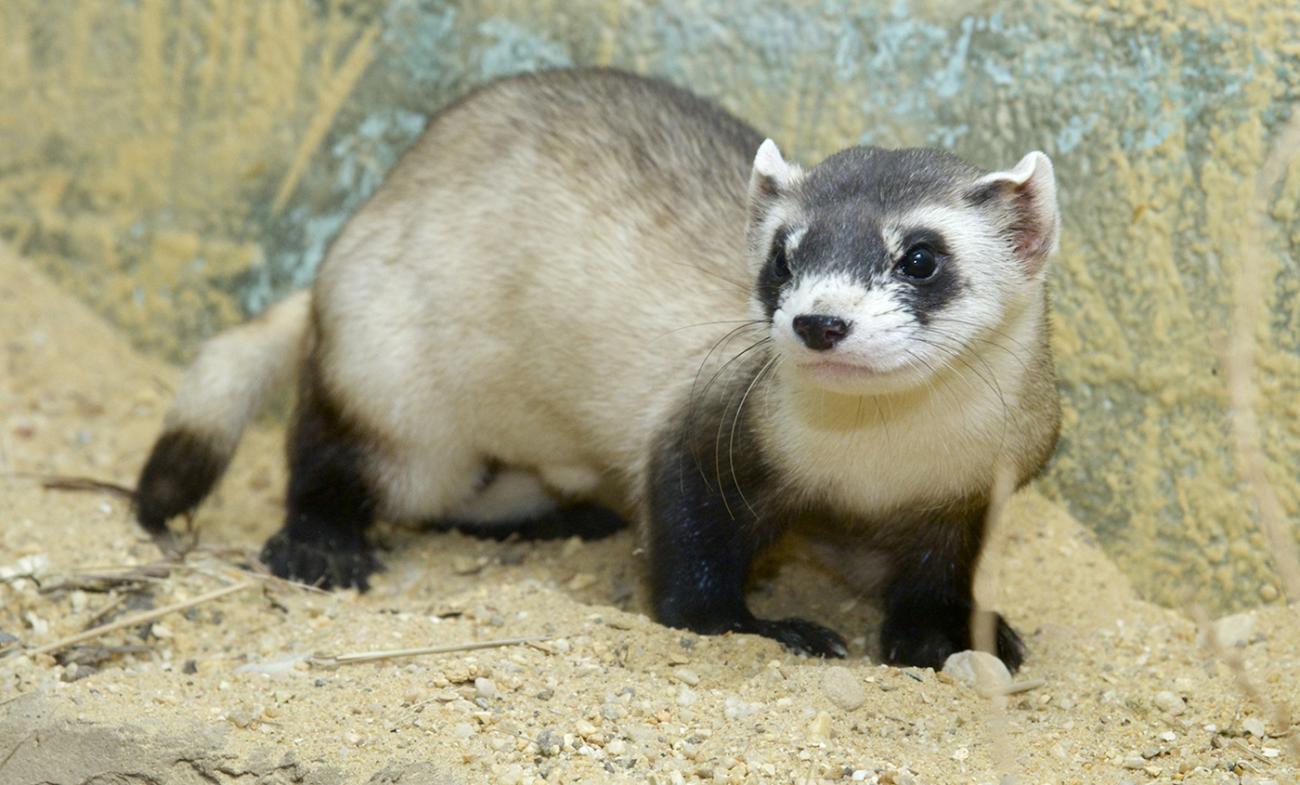
The Smithsonian Conservation Biology Institute has been a leader in black-footed ferret conservation since a small population of this solitary, nocturnal carnivore was discovered in 1981. SCBI received offspring from the 18 individuals and was the first institution to breed black-footed ferrets outside of Wyoming.
Faced with a genetic bottleneck, SCBI scientists mitigated threats to the survival of the species by using semen that had been cryopreserved for 10-20 years to artificially inseminate live female ferrets. SCBI was the first institution to develop a successful laparoscopic artificial insemination technique for black-footed ferrets. In addition, SCBI maintains the only genome resource bank for black-footed ferrets that preserves frozen semen from genetically valuable males, thereby extending their reproductive life. Zoo scientists use this semen to maintain and enhance genetic diversity by infusing underrepresented genes into the population at strategic times.
Golden Lion Tamarin Studies
Deforestation, the pet trade, and commerce have caused golden lion tamarin populations to decline drastically. Since the 1970s, the Smithsonian’s National Zoo has been working to save these small Brazilian monkeys. Zoo scientists Jon Ballou and Devra Kleiman used the family tree of the population of golden lion tamarins in North American zoos to match breeding pairs. Ballou and his team looked at each tamarin and, using the family tree, figured out how distantly it was related to every other tamarin in the population. This “mean kinship” allowed them to calculate which tamarins were the least related to each other. Breeding tamarins that were least related to the population overall resulted in the most genetically diverse and healthy population possible. Mean kinship is now the standard calculation that helps zoo professionals plan animal populations.
Small Mammal Surveys in Gabon
SCBI ecologists Bill McShea, Melissa Songer and their colleagues are studying the small mammals of the Gamba Forest Complex in Gabon, West Africa, as part of the Gabon Biodiversity Project. Mammals are important components of tropical ecosystems. Small mammals directly affect the distribution of plant species in tropical forests through seed dispersion and pollination. Terrestrial small mammals are also the main food source for many small- and medium-size carnivores; and as their abundance changes so may that of their predators. Many small mammals are sensitive to structural changes in the forest brought about by development activities such as clearings for roads and oil wells and water-flow obstruction due to construction. SCBI scientists expect that changes in small mammal populations will have pronounced effects on the composition of forests in the Gamba Complex.