

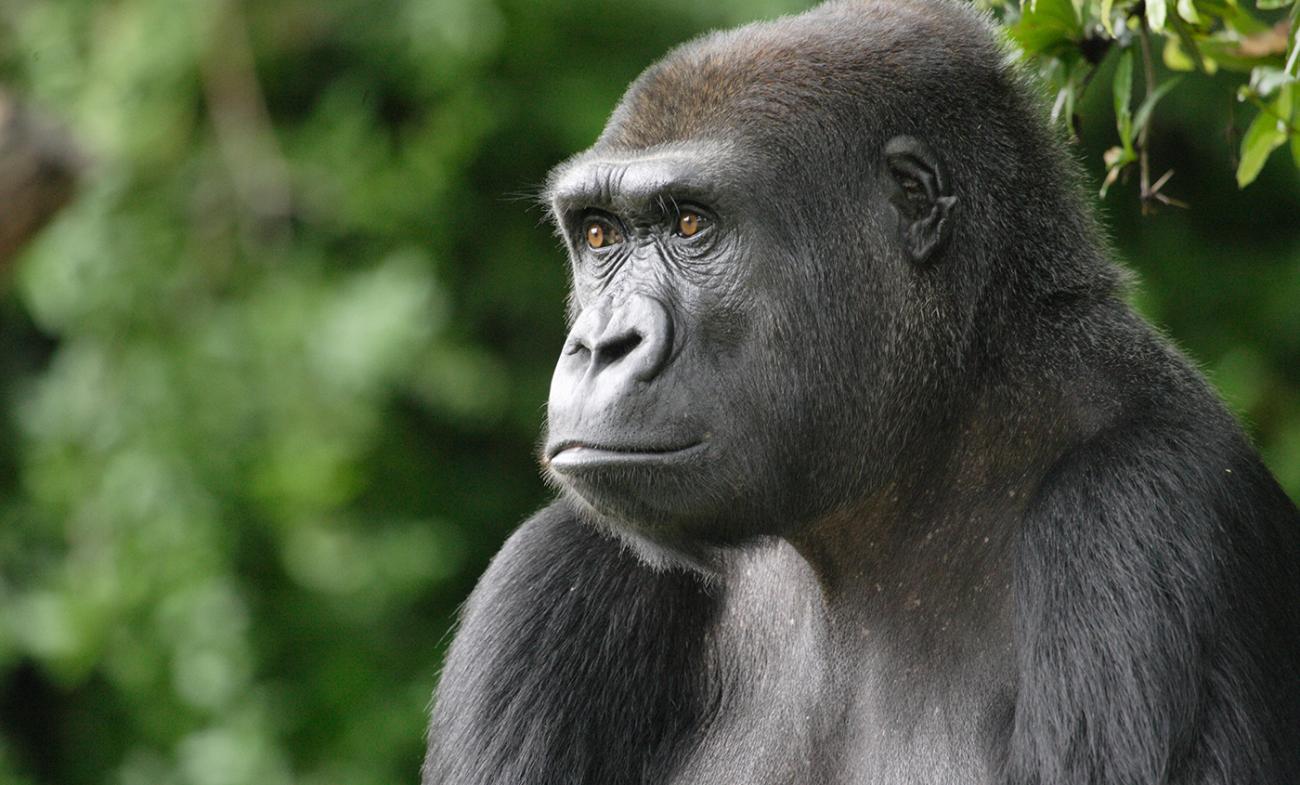
The Smithsonian’s National Zoo is home to over a dozen species of primates.
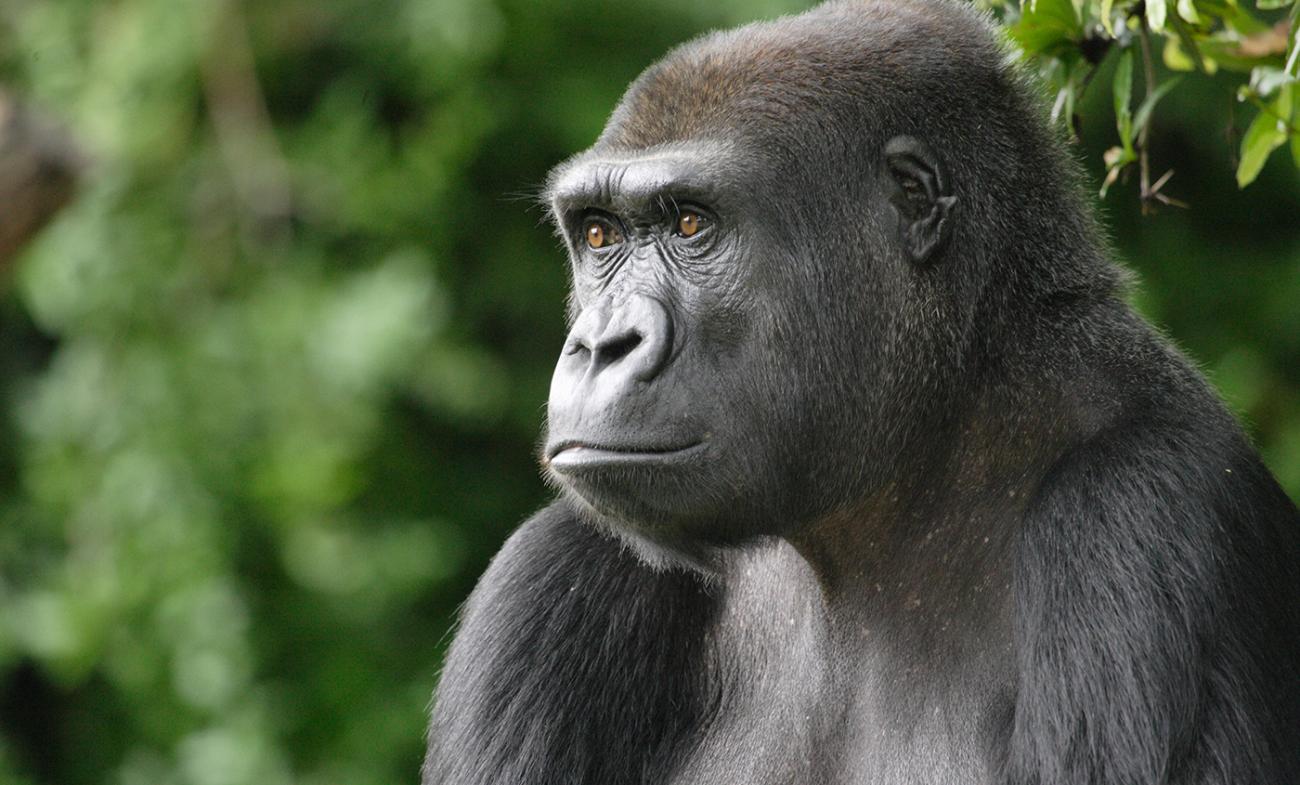
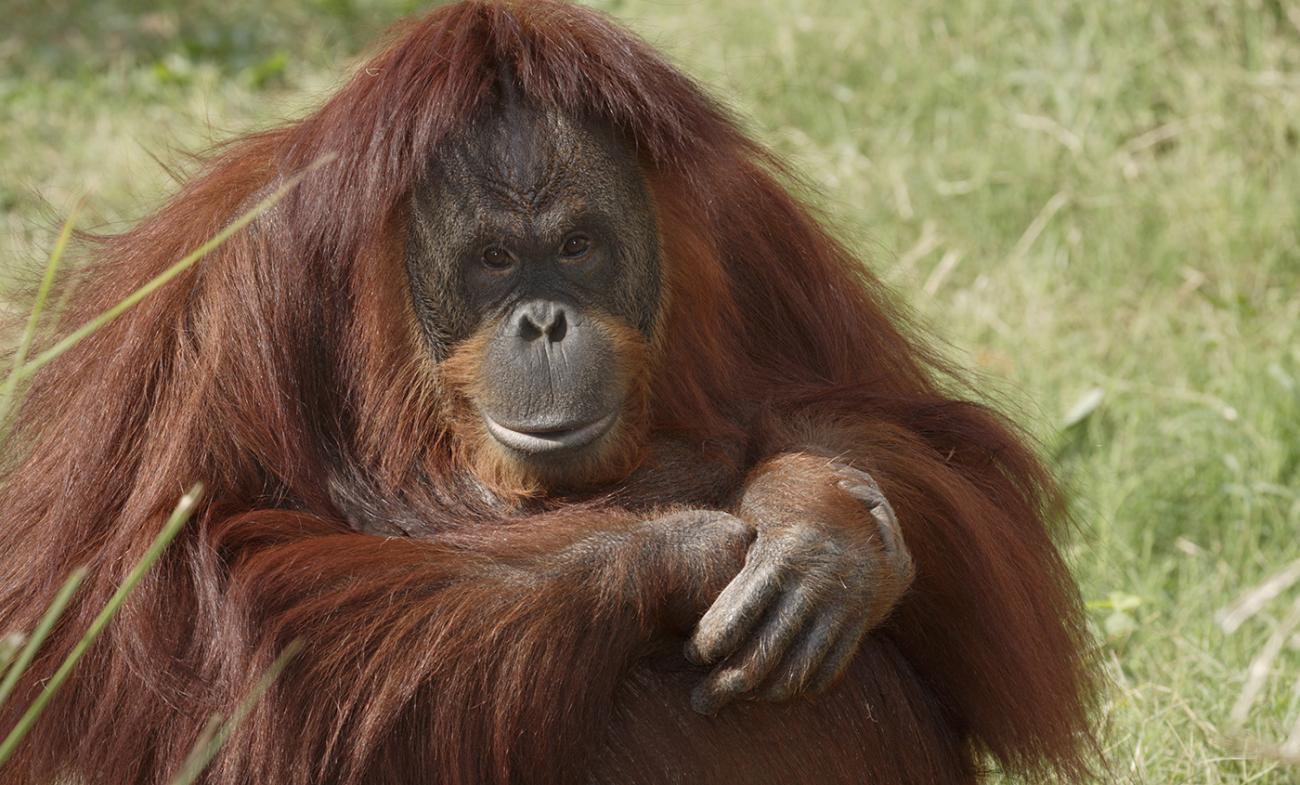
The homestead for the Zoo’s gorillas and orangutans is the Great Ape House. Within the house, floor-to-ceiling viewing panes allow visitors to view these endangered animals up close. Having a choice of how to spend their time is critical to great ape care, so enclosures are designed to provide the animals with opportunities to use their natural behaviors in new and exciting ways. Whether inside or outside, the apes have an opportunity to climb trees and multi-level platforms, rest in a hammock; swing from hanging ropes and fire hoses, engage in enriching activities (such as training and painting) and forage for food.
Walking between the Great Ape House to Think Tank? Look up! Orangutans travel along the O-Line, a 50-foot-high suspended cable track that gives them the freedom to move between their yards at the Great Ape House and Think Tank. Orangutans have the choice to use the O-Line on nice weather days from late morning to the early afternoon.
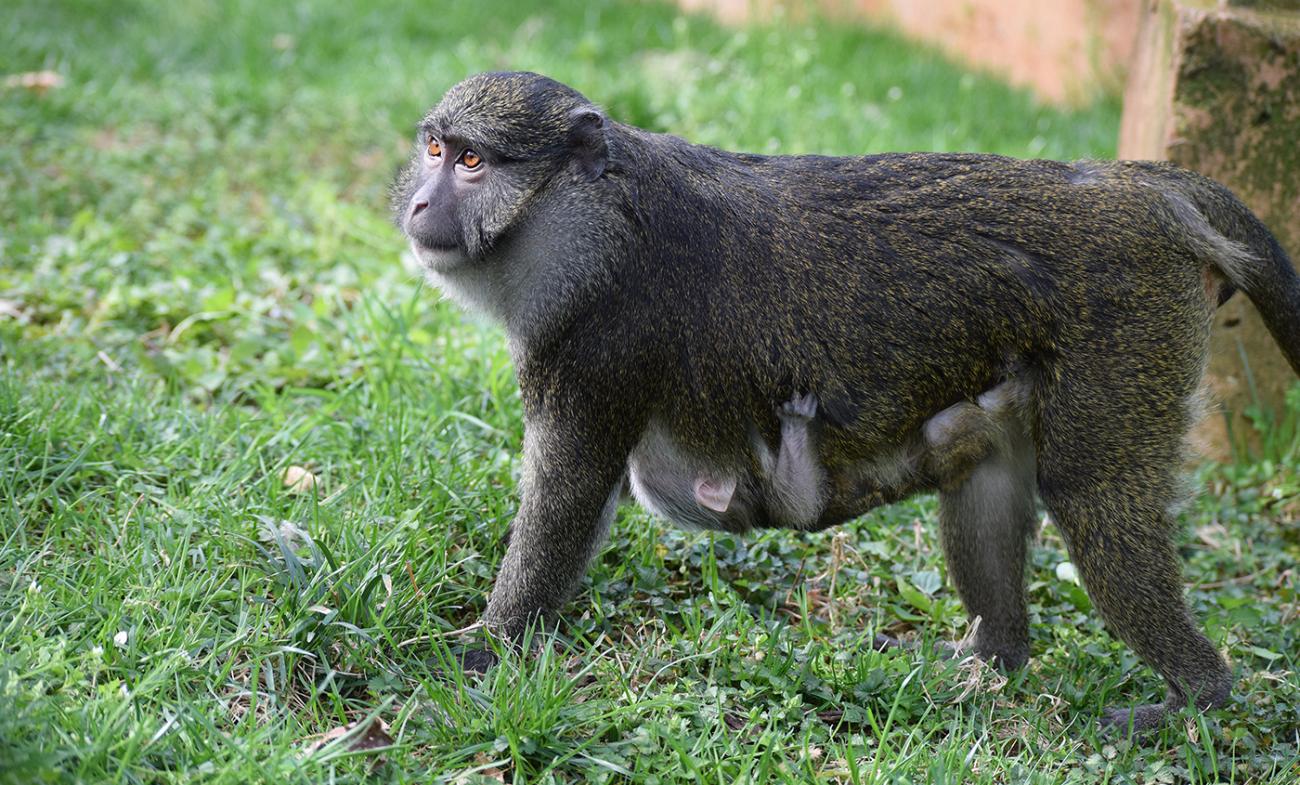
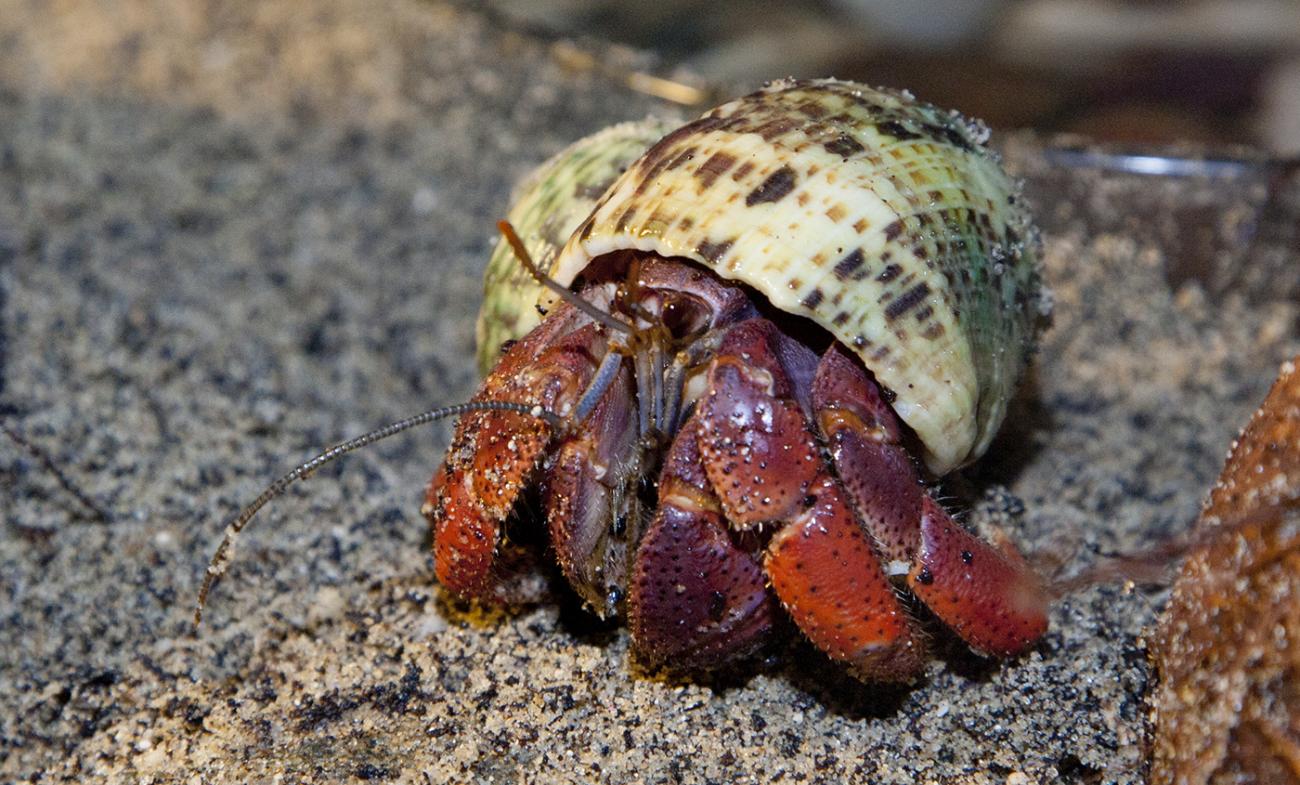
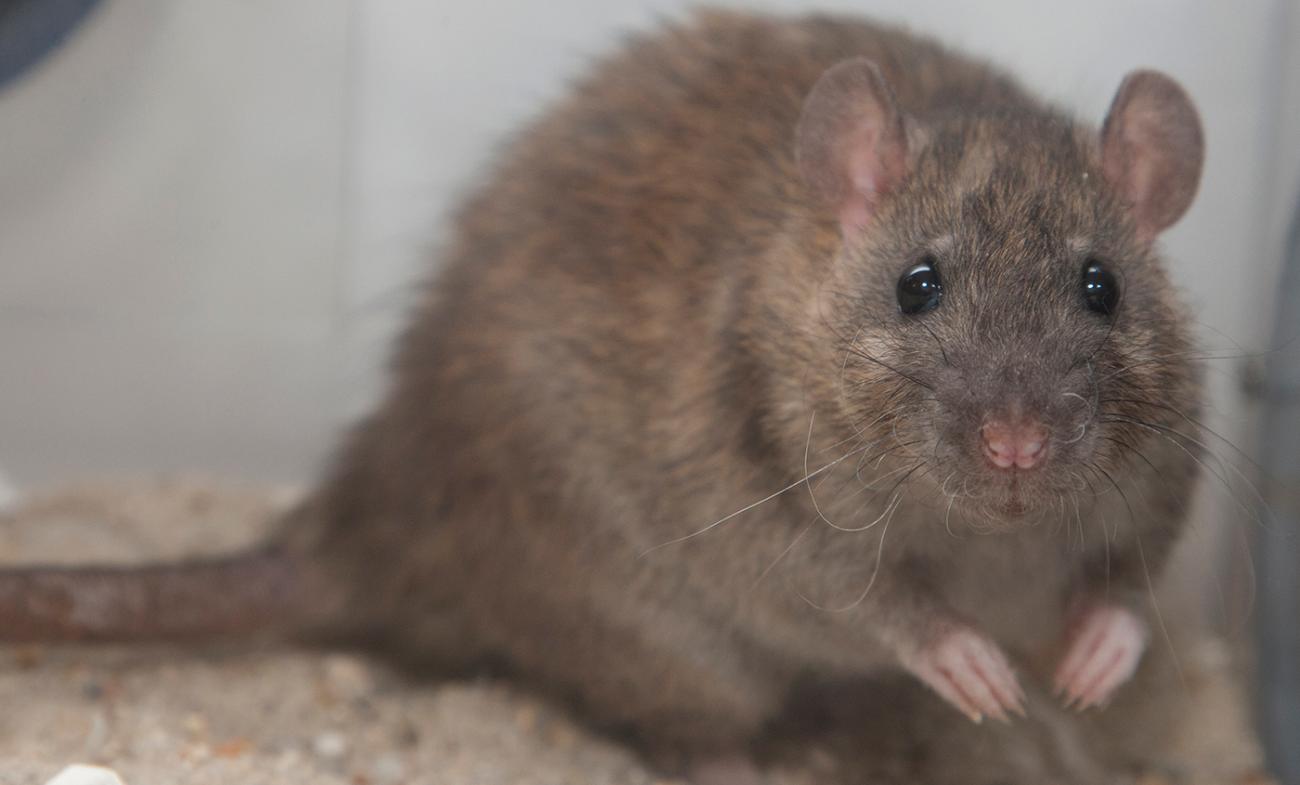
The interactive Think Tank exhibit is the place to think about animal thinking! Visitors are introduced to orangutans, Allen’s swamp monkeys, Norway rats and land hermit crabs to explore the concept of thinking through three main themes: language, society and tool use. Learn more about the Zoo’s ongoing primate research projects, see the monkeys illustrate the rules of living in a society, and observe rats navigating their exhibit, highlighting their physical abilities and flexible decision-making skills.
Inside Think Tank, participate in a tug-of-war with an orangutan at the orangutan rope-pull and test their arm strength. Looking at the animals outside? Get caught under a mist of water—turned on by an orangutan—in the Wet Zone. The outdoor orangutan exhibit is fitted with two mister shower heads. The push valves are operable only by the apes, who will have the ability to shower a visitor, themselves or both.
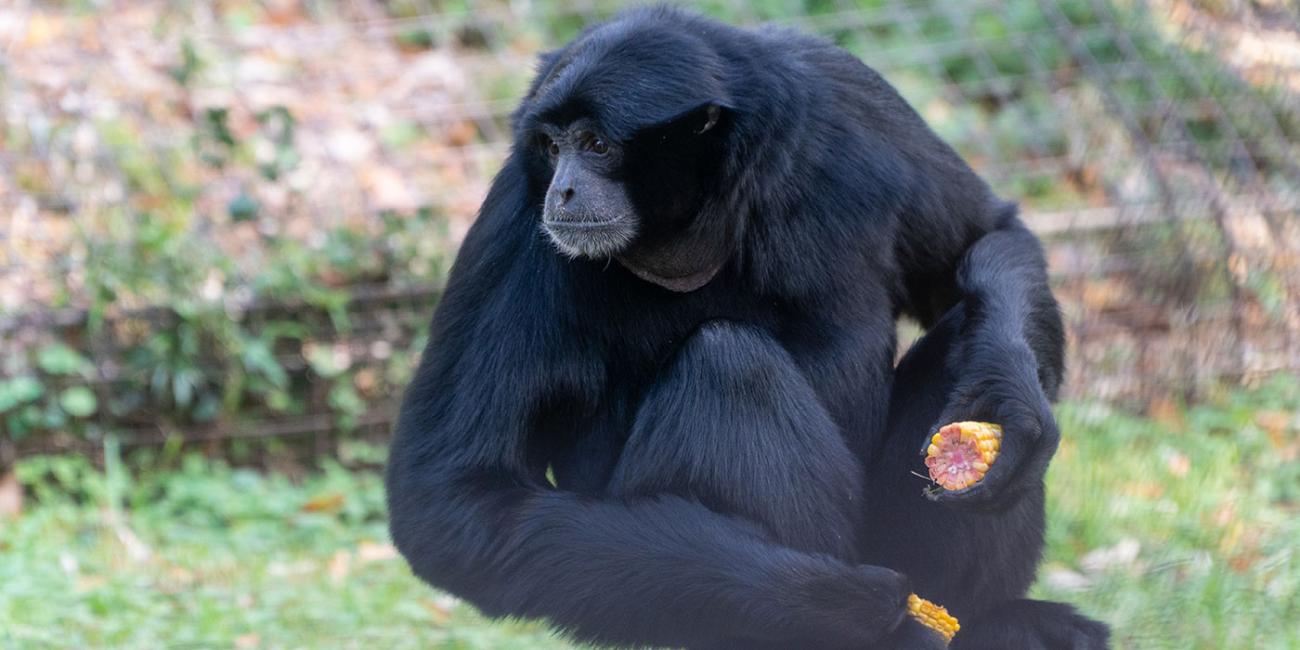
At Gibbon Ridge, visitors can see siamangs swing through the ropes and branches. The Zoo’s tall outdoor enclosures are fitted with platforms, ropes and swings that encourage these lesser apes to navigate their habitat just as they would in the wild. With their long arms and hands, these primates are adapted to moving fast high in the tree canopy using an arm-over-arm motion called “brachiation.” When walking on the ground, they place their arms above their head for balance.
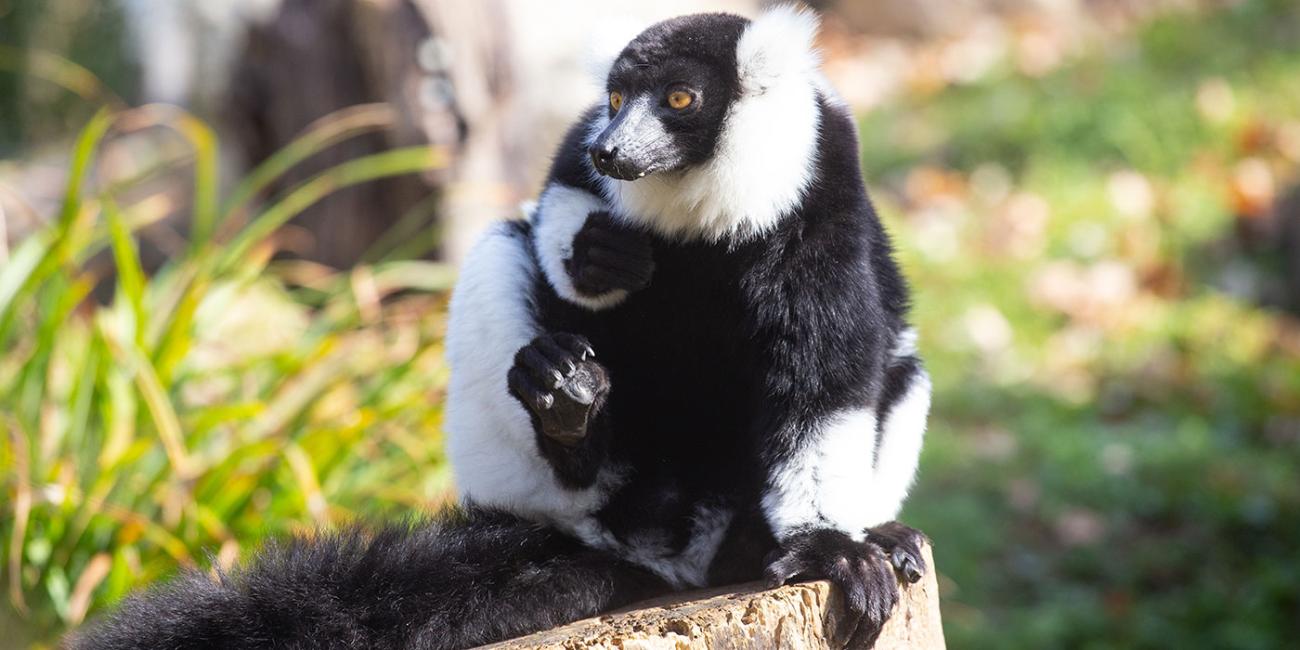
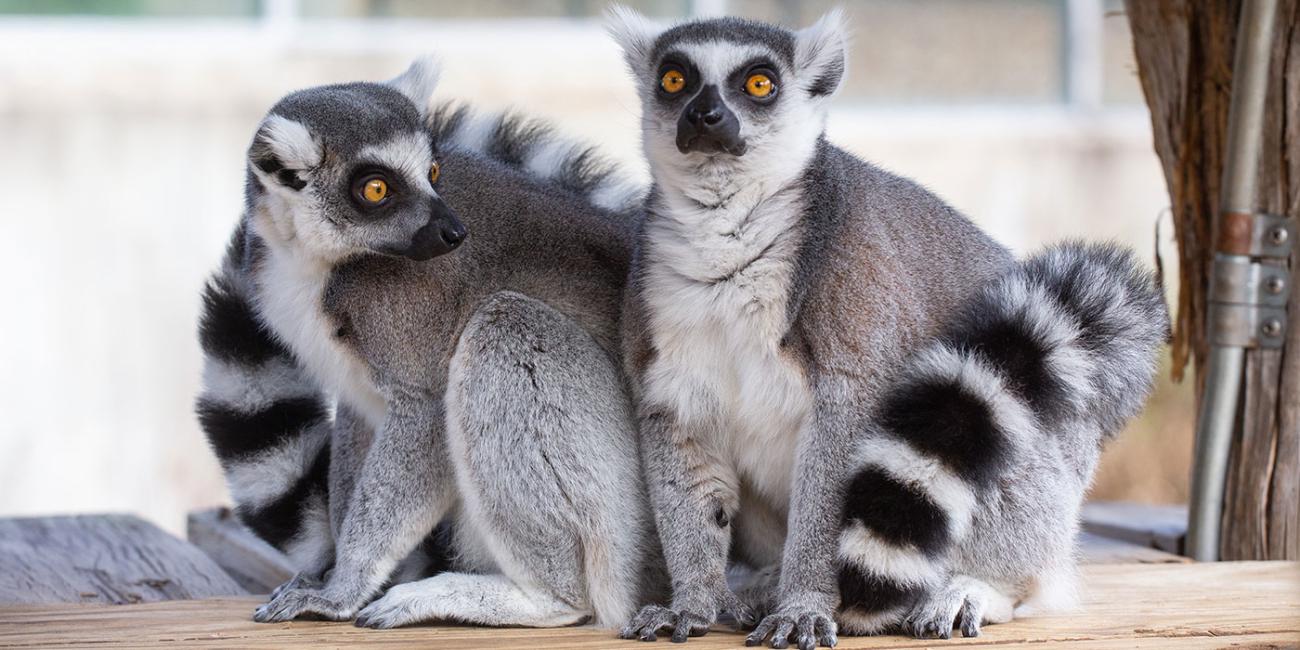
Ring-tailed lemurs, red-fronted lemurs and black-and-white ruffed lemurs live on Lemur Island. Throughout the day, lemurs may be found basking in the sun, jumping through the trees, or huddled together, often grooming one another to strengthen their social bonds.
Depending on the time of day and weather conditions, all of the lemurs and apes have a choice to be in their indoor or outdoor enclosures. Great apes tend to be active in the morning and nap in the mid to late afternoon. Our gorillas and orangutans also have the option to enjoy some time away from the crowds in off-exhibit areas behind the scenes.
Keepers provide the primates with enrichment—enclosures, socialization, objects, sounds, smells and other stimuli—to enhance their well-being and give them an outlet to demonstrate their species-typical behaviors.
In addition to the Orangutan Rope-Pull and Wet Zone exhibits at Think Tank, animals have plenty of activities to keep them busy throughout the day. The Zoo’s primates receive between four and eight forms of enrichment every day to keep them physically and mentally active. Keepers maintain a detailed calendar to ensure that the items and experiences remain novel and interesting. Novel items and activities include iPads (for playing with various apps), musical instruments, painting, mirrors, boomer balls, rubber tubs, burlap, paper and boxes among others. Check out videos of ape enrichment in action: playing with the iPad, medical training, and painting!
No day is routine; keepers offer the primates various activities to stimulate cognition. As with any enrichment, the animals have the flexibility and choice to participate in the activity or walk away. These activities range from participating in a research demonstration, to training with a keeper, to creating an abstract painting on a canvas using non-toxic, water-based paint. Zoo visitors can watch great ape cognition research in action during Think Tank’s daily animal demonstration. Check the daily calendar of events schedule for demonstration times.
To encourage the animals to use their natural behaviors, keepers will often spread food around the enclosure and hide it within enrichment items. For example, keepers will often mix hay with smaller foods—such as fruits, herbs, popcorn and seeds—so that the primates spend a significant portion of their day foraging, just as they would in the wild. Often, keepers place food in special feeders or hard-to-reach spots to give the apes an opportunity to climb and create tools to obtain these treats. In addition to foraging, each animal receives an individual diet of nutrient-dense foods to ensure proper nutrition. On any given day, primates may receive: kale, celery, green beans, carrots, sweet potatoes, white potatoes, romaine, kale, cabbage, bananas, apples, oranges, mango, grapes, melon, papaya, onions, broccoli, turnips, squash, cucumbers, nuts, seeds and primate chow.
At the Zoo, gorillas and orangutans use hay, sheets, and a variety of other materials to build nests. They also receive browse (fresh plant trimmings), the type of which varies, but may include bamboo, banana leaves, Bradford pear, willow, mulberry or maple trimmings.
Social enrichment applies to the manner in which our primates are housed, as well as to the activities they participate in with animal care staff. Housing primates in appropriate social situations is one of the most significant ways to enrich their lives. Primates have active minds and complex social relationships, and companionship provides a constant source of stimulation. The keepers also provide social enrichment by engaging in games of chase, tickle, research or training sessions with the primates to engage them as well as strengthen social bonds.
The Small Mammal House hosts several other species of New World primates, including golden lion tamarins, golden-headed lion tamarins, red-ruffed lemurs, pale-headed saki monkeys, Geoffroy's marmoset and black howler monkeys.
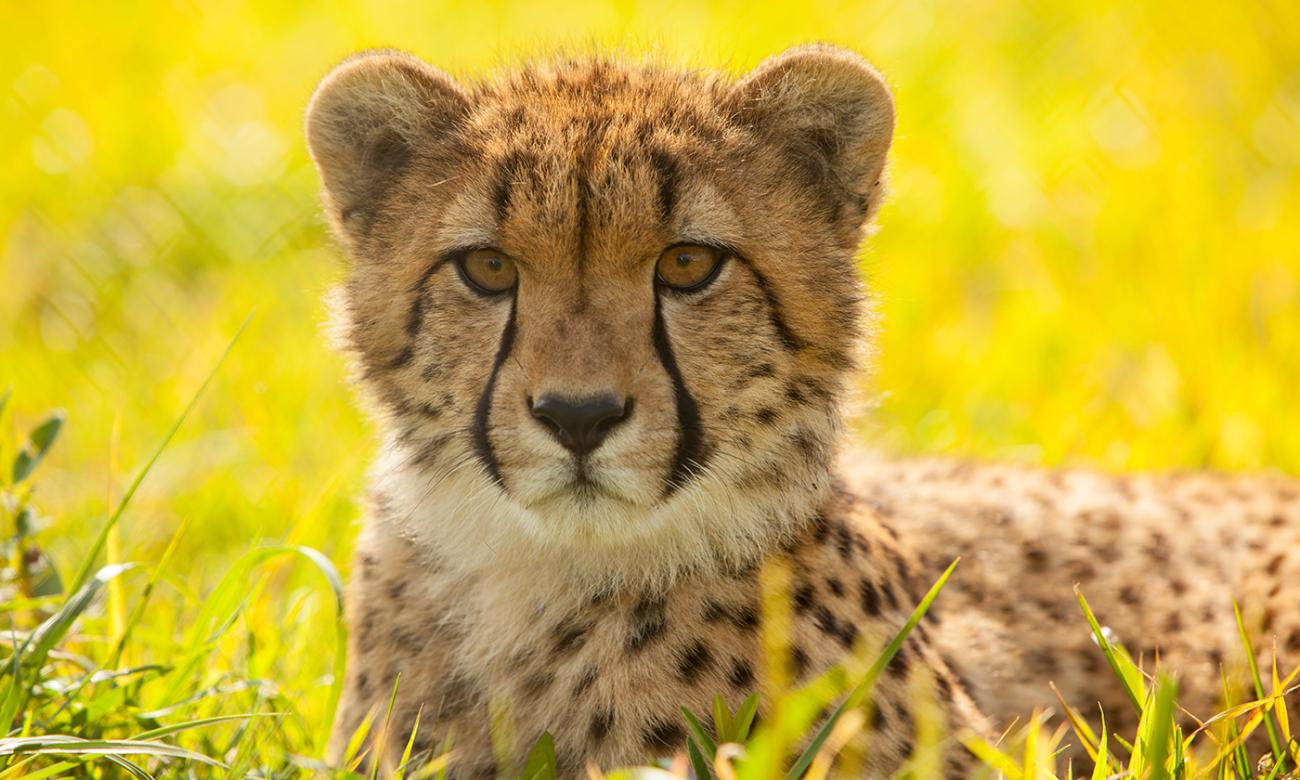
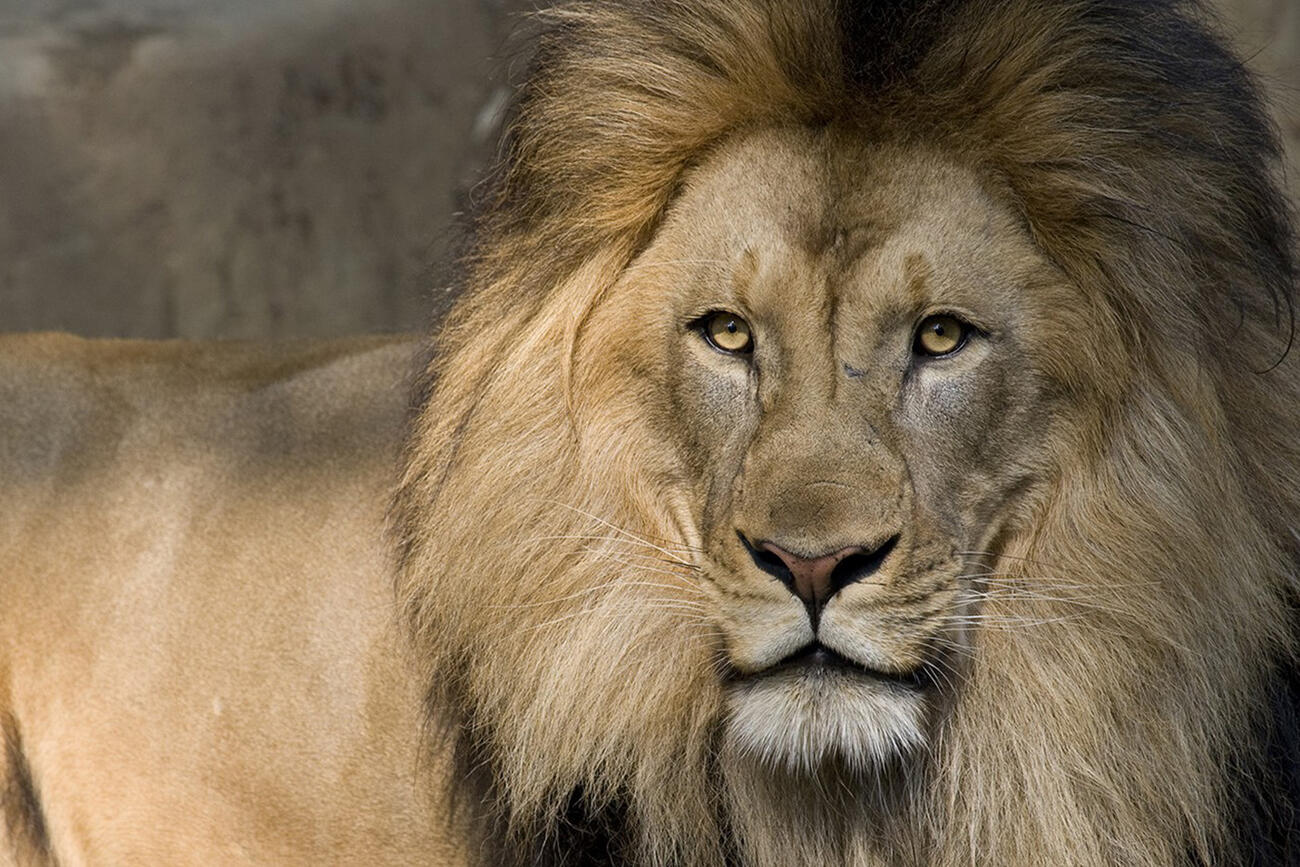
The Great Cats exhibit is located near the Speedwell Foundation Conservation Carousel. Visitors can observe Sumatran tigers, African lions, caracals and bobcats at this location.
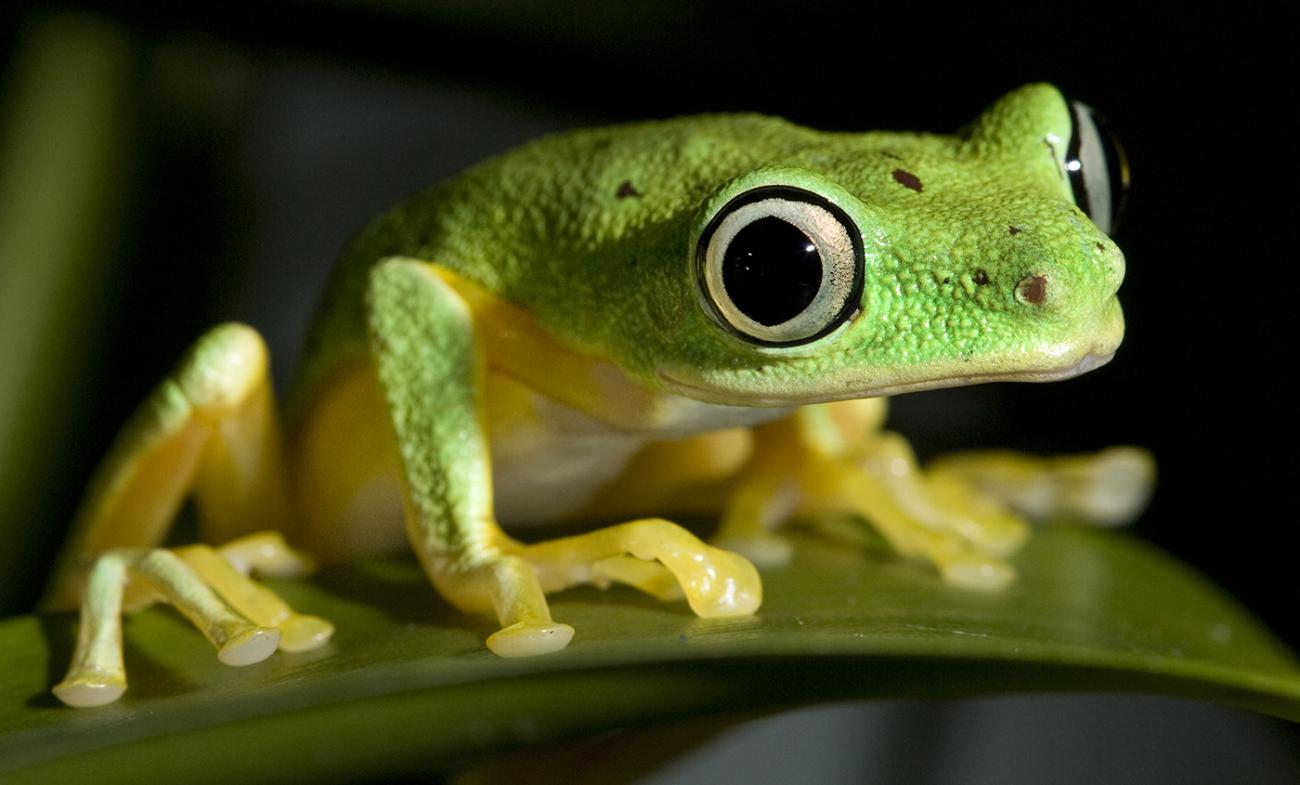
The Reptile Discovery Center celebrates the diversity, beauty and unique adaptations of more than 70 reptiles and amphibians. It is located between the Great Ape House and Think Tank.
The Great Meadow picnic area is located adjacent to the Reptile Discovery Center.
A little farther away, visitors can see also see titi monkeys on exhibit in Amazonia.
All of the primates exhibited at the Zoo participate in the Association of Zoos and Aquariums’ Species Survival Plan (SSP). The SSP Steering Committee determines which animals to breed by considering their genetic makeup, nutritional and social needs, temperament and overall health.
One way to determine what makes the human mind unique is by studying the minds of primate relatives. At Think Tank, Zoo scientists are looking closely at how great apes think in order to better understand what is unique about the human mind. How do apes approach the processes that make up social learning, such as memory and spatial understanding?