
Shorebird Science and Conservation Collective Shows Big Data Can Protect Birds
Group Has Collected and Analyzed Tracking Data From More Than 3,400 Individual Birds
New research from the Shorebird Science and Conservation Collective at the Smithsonian’s National Zoo and Conservation Biology Institute (NZCBI), published today in the journal Conservation Biology, provides a model for big data to inform conservation.
To better protect shorebirds, Smithsonian scientists coalesced 7.1 million observations from 36 species contributed by 75 organizations and are analyzing those data to deliver actionable information to decision makers. By using small satellite trackers to record the movement pathways of individual birds, researchers can understand how habitats are connected through shorebird migrations and which habitats are important to shorebirds throughout the year. Today’s publication not only identifies how to leverage the power of big data, but how to improve coordination across conservation organizations.
Shorebirds are one of the most threatened bird groups in North America, with more than 50% of monitored North American shorebird populations declining by more than 50% since 1980. Shorebirds are also highly migratory, with many species traveling between multiple states or even countries. This makes tracking data, which can reveal migration routes and key stopover locations, essential for effective conservation.
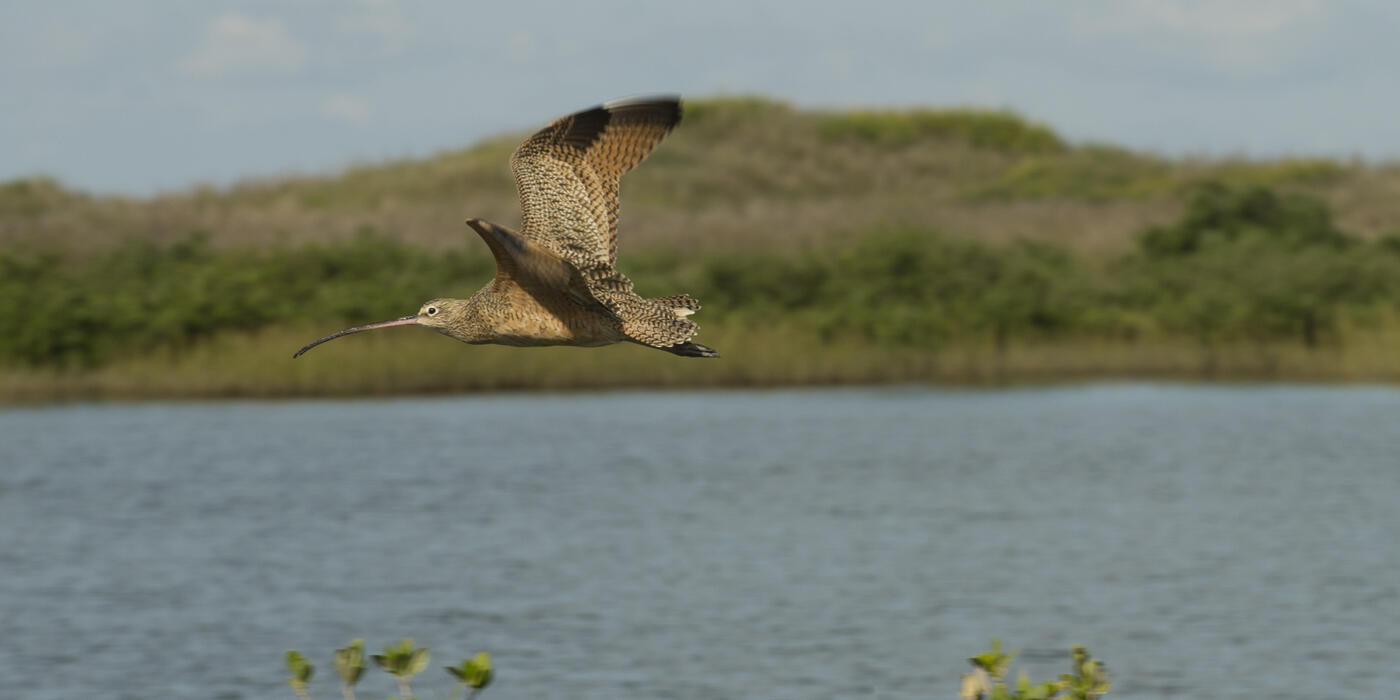
For years, NZCBI researchers pioneered innovative tracking methods to study a variety of bird species across the Western Hemisphere, including shorebirds such as the black-bellied plover and long-billed curlew. These data have unveiled the mysteries of habitats that shorebirds rely on during their epic migrations and how sites are interconnected. Missing from these species-specific discoveries, however, is a synthesis across multiple species to inform conservation across the flyways. This need laid the foundation for the creation of the collective, where shorebird tracking data now actively drive on-the-ground conservation efforts.
Since launching in 2021, the collective has brought together data from the Smithsonian, federal and state agencies, universities, nonprofits and community scientists. The information from electronic tags is combined with survey and community science data to create an even richer picture of where shorebirds are and where they are going. One of the keys to assembling the massive database has been a flexible data sharing agreement that allows contributors to guide how their data are used and how these conservation uses are reported back to them. This reporting process is rare in big data projects.
“A crucial element of the collective is the trust partners have in the program and the engagement it creates to improve communication between scientists and practitioners,” said Autumn-Lynn Harrison, research ecologist at NZCBI and lead author of the study. “Practitioners greatly value the science translation offered by the collective, and data contributors value the high standards of stewardship and curation the Smithsonian is known for. Migratory birds traverse scores of countries, and through the collective, we have forged partnerships that allow us to put synthesized data into the hands of the people on the ground.”
More than just a repository for shorebird data, the collective makes the technical information usable by collating and analyzing data to support real-time conservation decisions faced by land managers, non-profit organizations and U.S. and Canadian state/provincial and national agencies.
Recent projects the collective has helped guide include identifying optimal times and locations to deploy freshwater across Texas landscapes for habitat creation, informing offshore wind development in Canada and the U.S. by identifying important flyways and creating educational materials to bring shorebird migration to life for students and the public.
Looking forward, Harrison said there is significant interest from other offshore wind projects looking to assess overlap of turbines with shorebird migration routes, but she hopes to continue supporting other new partner initiatives in land conservation, species management and education as well. The group’s focus is currently on North America, but a future aim is to inform systematic and strategic conservation action on the continental scale while continuing to support local and regional conservation requests. Recognizing that if a shorebird had a passport its stamps might extend from the Arctic to Patagonia in a single year, the collective also hopes to expand to support conservation activities in Latin America and the Caribbean. Harrison encourages any organization whose conservation or management might benefit from shorebird tracking data to submit a request through the collective’s online form.
The Shorebird Science and Conservation Collective is supported by a grant from the Knobloch Family Foundation, with additional support from ConocoPhillips and the U.S. Fish and Wildlife Service.
# # #
Photo caption: Scientists created a database of more than 7 million location points, tracking 36 species’ annual migrations, including the long-billed curlew. Photo credit: Tim Romano, Smithsonian’s National Zoo and Conservation Biology Institute.
Image Gallery

Continue Exploring

Two Adorable Red Panda Cubs Born at Zoo’s Front Royal Campus ›
“The cubs are really just balls of fur that eat and sleep right now,” said Jessica Kordell, assistant curator of carnivores.

How Zoo Science Is Rewriting the Scimitar-Horned Oryx's Story ›
Once pushed to the brink of extinction, the oryx is becoming one of conservation's most inspirational stories.


Can Cryopreservation Rescue the World's Rarest Wolf? ›
With only a few hundred red wolves left, Smithsonian scientist Jennifer Nagashima is pioneering new ways to preserve their genetic diversity.