
Press Release Archive
An archive of press releases from Smithsonian's National Zoo and Conservation Biology Institute.
Displaying 176 - 200 of 952 articles.

Elderly Sand Cat Dies at Smithsonian’s National Zoo ›
Small Mammal House keepers at Smithsonian’s National Zoo are mourning the loss of Thor, an elderly male sand cat who was humanely euthanized Sept. 29 due to a recent and irreversible decline in health. He was 14 years old.

It’s a Boy! ›
The Smithsonian’s National Zoo’s 6-week-old giant panda cub is a male, Smithsonian Conservation Biology Institute scientists confirmed. During the cub’s first veterinary exam Sept. 19, Zoo veterinarians obtained a swab from his cheek for DNA analysis to determine the cub’s sex.

Tribes Begin Five-Year Swift Fox Reintroduction at Fort Belknap ›
After an absence of more than 50 years, the swift fox has returned to the grasslands of the Fort Belknap Indian Reservation in Montana.
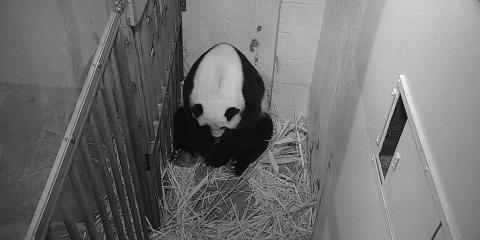
Media Advisory: Giant Panda Cub Birth Interviews at Smithsonian’s National Zoo ›
Smithsonian’s National Zoo staff will be available to discuss the recent giant panda cub birth.
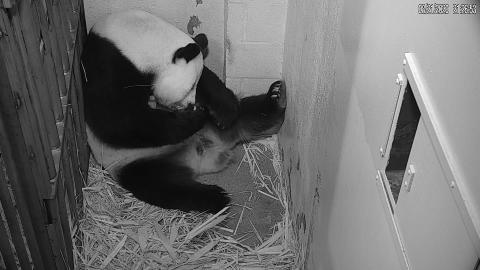
Giant Panda Cub Born at Smithsonian’s National Zoo ›
Giant panda Mei Xiang (may-SHONG) gave birth to a cub at Smithsonian’s National Zoo today, Aug. 21 at 6:35 p.m.
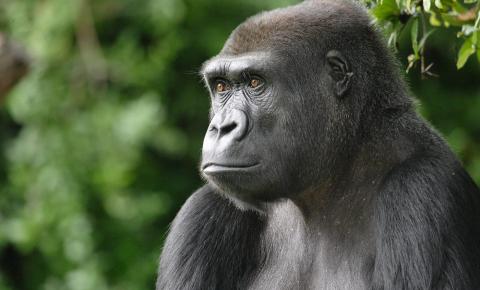
Genomic Analysis Reveals Many Animal Species May Be Vulnerable to SARS-CoV-2 Infection ›
A new genomic study ranks the potential of the SARS-CoV-2 spike protein to bind to the ACE2 receptor site in 410 vertebrate animals. Old World primates and great apes, which have identical amino acids at the binding site as humans, are predicted to have a very high propensity for binding ACE2 and...
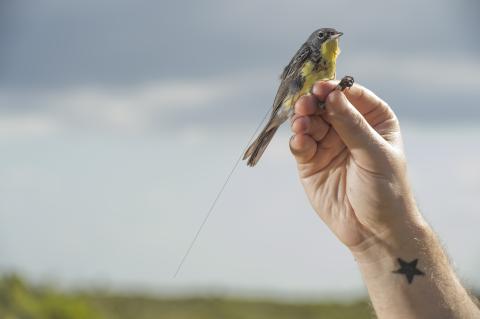
Tracking Technology Exposes Secretive Long-distance Movement of Kirtland’s Warblers ›
State-of-the-art tracking technology reveals previously unknown long-distance movements of Kirtland’s warblers during the mating season that have important conservation implications for North American birds.
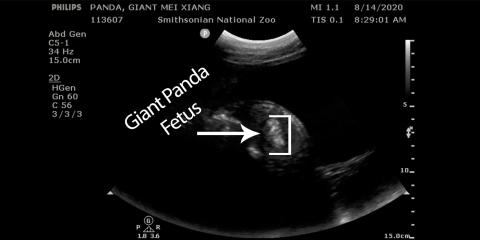
Veterinarians Find Fetal Tissue on Giant Panda Ultrasound ›
Veterinarians at the Smithsonian’s National Zoo detected tissue consistent with fetal development during Mei Xiang’s ultrasound this morning, Aug. 14.

Smithsonian’s National Zoo and Conservation Biology Institute and JumpStart Games Launch “Zoo Guardians” Mobile Game ›
The furry, feathered and scaly world of zoos, animal care and conservation comes to life in “Zoo Guardians,” a new mobile game launched today. Players are invited to build their own zoos, care for animals, complete quests and interact with realistic 3D representations of wildlife via augmented...
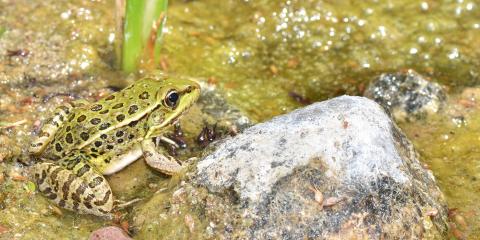
Research Breakthrough in Fight Against Chytrid Fungus ›
For frogs dying of the invasive chytridiomycosis disease, the leading cause of amphibian deaths worldwide, the genes responsible for protecting them may actually be leading to their demise, according to a new study published today in the journal Molecular Ecology by Smithsonian Conservation Biology...
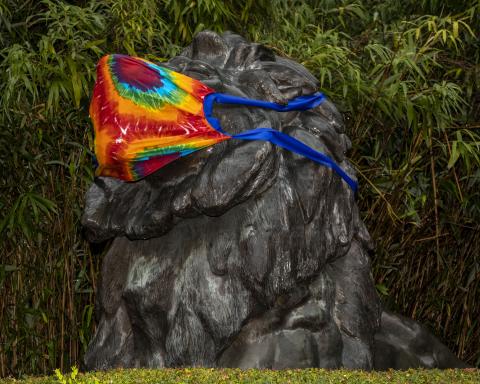
Smithsonian’s National Zoo Public Opening ›
The Smithsonian’s National Zoo opens to the public on July 24. There will be two media opportunities. All media must register to attend. Parking is limited and television crews will be prioritized.

Smithsonian’s National Zoo and Udvar-Hazy Center To Reopen July 24 With New Safety Measures ›
The Smithsonian will reopen two of its facilities to the public Friday, July 24: the National Zoo in Northwest Washington, D.C., and the National Air and Space Museum’s Steven F. Udvar-Hazy Center in Chantilly, Virginia, near Washington Dulles International Airport. These locations will reopen with...
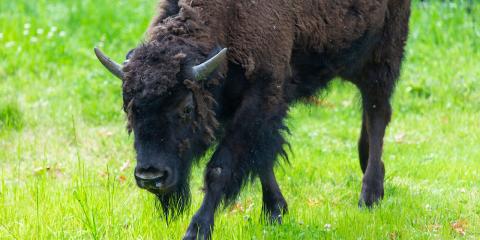
Smithsonian’s National Zoo Welcomes Two New Bison ›
The Smithsonian’s National Zoo and Conservation Biology Institute has welcomed “Lucy” and “Gally,” two juvenile female American bison.
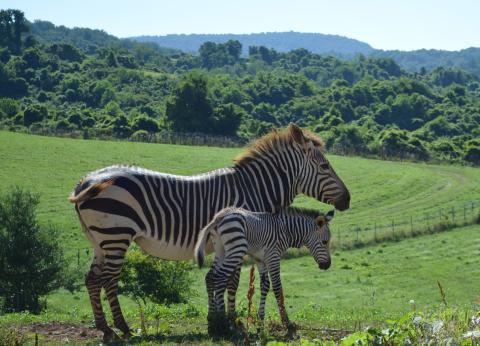
Hartmann’s Mountain Zebra Born at the Smithsonian Conservation Biology Institute ›
For the first time in the Smithsonian Conservation Biology Institute’s (SCBI) history, ungulate keepers celebrated the birth of a male Hartmann’s mountain zebra at the Front Royal, Virginia, facility. The colt was born overnight July 2 to 6-year-old mother Mackenzie and 5-year-old father Rogan.

Female Asian Elephant Dies at Smithsonian’s National Zoo ›
The Smithsonian’s National Zoo and Conservation Biology Institute community is mourning the loss of Shanthi, beloved member of its Asian elephant herd and ambassador for her species. After decades of managing and treating Shanthi’s osteoarthritis, animal care staff recently noted that her physical...

Elderly Clouded Leopard Dies at Smithsonian’s National Zoo ›
Asia Trail keepers at the Smithsonian’s National Zoo and Conservation Biology Institute are mourning the loss of Mook, an elderly female clouded leopard who was humanely euthanized May 20 due to a recent and irreversible decline in health. At 18 years old, she was the eldest clouded leopard in the...

Smithsonian’s National Zoo Seeks Help in Naming Four Cheetah Cubs ›
The Smithsonian’s National Zoo and Conservation Biology Institute is asking the public to help name the litter of four cheetah cubs born April 8!

Six Newborn Black-Footed Ferret Kits Can Be Viewed on New Webcam ›
Mother’s Day was extra special for carnivore keepers at the Smithsonian Conservation Biology Institute (SCBI) in Front Royal, Virginia, who welcomed the year’s first litter of black-footed ferret kits Sunday. Two-year-old female Potpie gave birth throughout the morning May 10 to six kits. Staff are...

Two Elderly American Bison Die at Smithsonian Conservation Biology Institute ›
Ungulate keepers at the Smithsonian Conservation Biology Institute are mourning the loss of two elderly American Bison, a male named Ten Bears and a female named Kicking Bird, who were humanely euthanized May 14. They were both 22 years old.

Female Sloth Bear Dies at Smithsonian’s National Zoo ›
Asia Trail keepers at the Smithsonian National Zoo are mourning the loss of Remi, a 6-year-old female sloth bear who was humanely euthanized May 2, following a foot wound that was not healing despite medical treatment.

World Migratory Bird Day Is May 9 ›
Migratory birds are now flooding across the continent as they return to their nesting grounds this spring. World Migratory Bird Day is on May 9, 2020, as people around the globe welcome birds back—and lend them a helping hand.

Two Extinct-in-the-Wild Guam Kingfishers Hatch at the Smithsonian Conservation Biology Institute ›
Bird keepers at the Smithsonian Conservation Biology Institute are celebrating the arrival of two Guam kingfisher chicks that hatched April 21 and 23. They are the first offspring for 11-month-old father Animu and 2-year-old mother Giha.

One in Four Tree Deaths in Blue Ridge Mountains Linked to Invasive Species ›
New research from the Smithsonian Conservation Biology Institute and Shenandoah National Park finds that invasive species of forest insects and pathogens contributed to about a quarter of the tree deaths in Virginia’s Blue Ridge Mountain forests in the past three decades.

White-Naped Crane Hatches at the Smithsonian Conservation Biology Institute ›
Bird keepers at the Smithsonian Conservation Biology Institute (SCBI) in Front Royal, Virginia, are celebrating the arrival of a female white-naped crane chick that hatched April 2. She is the fourth chick for parents Brenda and Eddie and is the 46th to hatch at SCBI.

Smithsonian Scientists Discover Six New Coronaviruses in Bats ›
Researchers with the Smithsonian’s Global Health Program have discovered six new coronaviruses in bats in Myanmar — the first time these viruses have been detected anywhere in the world. Future studies will evaluate the potential for transmission across species to better understand the risks to...