News Archive
Filter By
Displaying 1 - 5 of 5 articles.

The Coffee Warbler ›
Despite its misleading name, the Tennessee warbler neither breeds nor over-winters in the state of Tennessee. This species got its name when the first specimen collected had the misfortune of being shot by Alexander Wilson in 1832. This unlucky individual happened to be passing through Tennessee...

Big Mouth, Small White Bib ›
As darkness descends along rural roadsides from Texas to Argentina, mysterious ember-like dots appear near ground level. Reflecting the beams of car headlights, this orange glow emanates from the eyes of a cryptic bird of the night known as the Common Pauraque. With the onset of twilight, pauraques...
Herds of Hungry Deer Spell Change for U.S. Forests ›
By John Barrat, Smithsonian Office of Public Affairs Something is squirming inside a white athletic sock marked with the number 16 and hanging from the belt of biology student Jessica Hollis. Standing in the deep woods of the Smithsonian National Zoological Park's 3,200-acre Conservation and...
A Blue Birding Prize ›
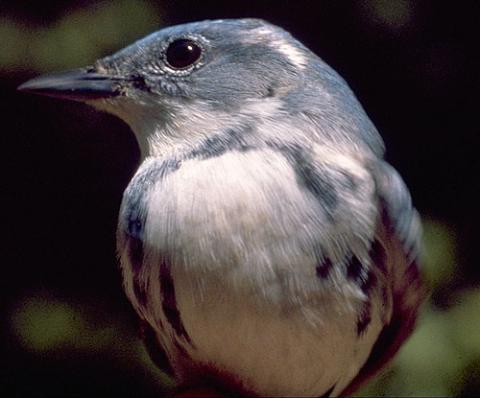
For many North American birdwatchers, the Cerulean Warbler is one of the most sought-after species during spring and summer. This elusive, azure-colored songbird is uncommon over most of its breeding range, and spends the majority of its time high in the forest canopy, giving it a reputation for...
The Early Bird ›
Eastern Phoebes are one of the first migratory birds to arrive in the spring in the northeastern United States. They often appear in March, well ahead of the peak migration for most forest songbirds (in May), and they are one of the last to leave in fall, with the peak of migration in October. Their...