
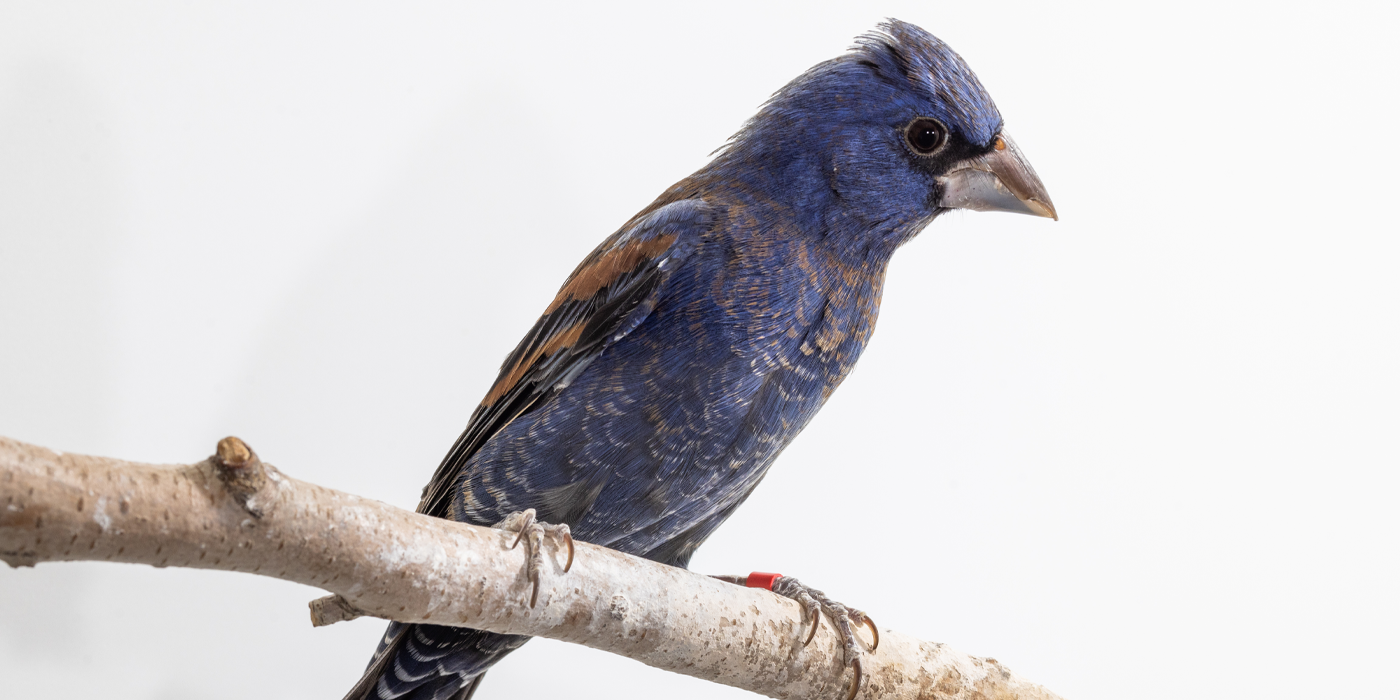
Physical Description
Size
Native Habitat
They are often found along forest edges, open clearings and roadsides. Migrants overwinter in weedy fields while year-round residents in Central America inhabit dry tropical forests and edges of woods.
During the breeding season, they can be found throughout the southern half of the United States and northern Mexico. Their wintering grounds include southern Mexico, Central America and the Caribbean, and very rarely in South America. They are a year-round resident in Central Mexico and the Pacific slope of Central America.
Communication
Food/Eating Habits
Social Structure
Reproduction and Development
Conservation Efforts
Help this Species
Be a smart consumer. Choose products made with sustainable ingredients, such as Smithsonian certified Bird Friendly coffees, which support farmers striving to limit their impact on wildlife and habitat.
Choose your pets wisely, and do your research before bringing an animal home. Exotic animals don’t always make great pets. Many require special care and live for a long time. Tropical reptiles and small mammals are often traded internationally and may be victims of the illegal pet trade. Never release animals that have been kept as pets into the wild.
Be a responsible cat owner, and keep cats indoors or under restraint when outside. Never release animals that have been kept as pets into the wild.
Conservation starts with you! Join a citizen science project where you can help collect valuable data for scientists. Encourage your friends and family to get involved too.
Plant native flowers in your garden to help feed resident and migrating pollinators. You'll make your lawn beautiful and help wildlife at the same time!
Smithsonian's National Zoo and Conservation Biology Institute. (n.d.). Blue grosbeak. Retrieved December 3, 2025, from https://nationalzoo.si.edu/animals/blue-grosbeak
Animal News

Giant Panda Qing Bao Gets a Checkup ›

7 Spooktacular Animal Facts for Halloween ›
