Animals in this Exhibit
There are no animals currently in this exhibit.
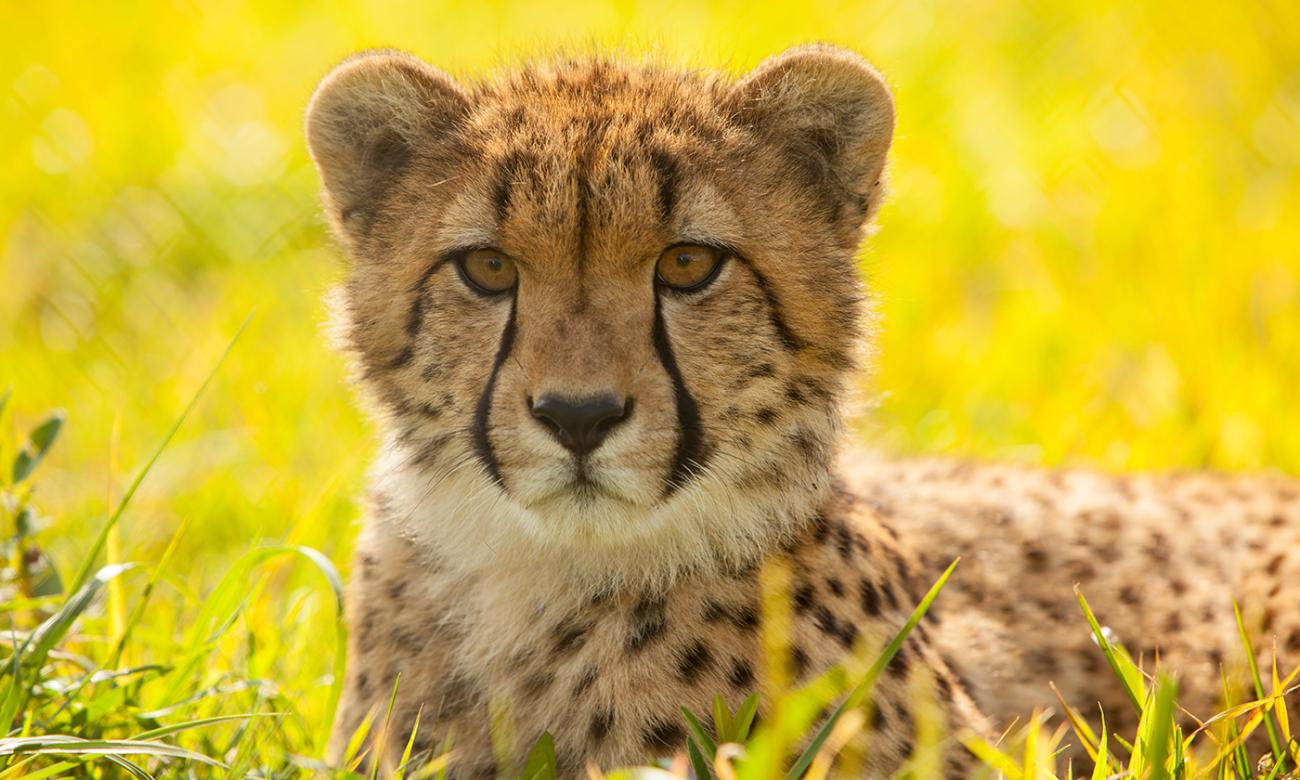
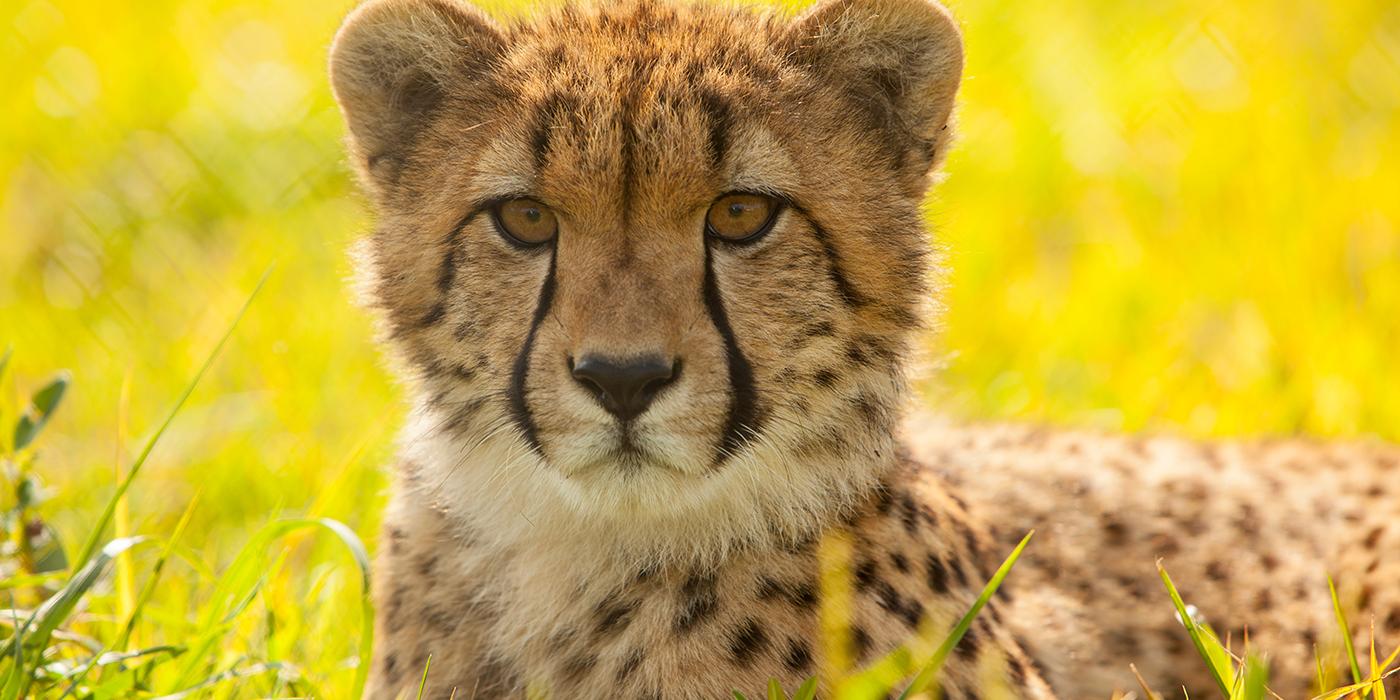
Celebrating the animals of Africa’s grasslands and shrublands, this exhibit features more than two acres of habitat for cheetahs, kudu, zebras, vultures, and other iconic species.
Renovations are expected to be complete by early 2027.
What’s Happening at Africa Trail?
- This renewal project will refresh the look and feel of the exhibit while expanding opportunities to learn about animals that thrive in African ecosystems. New interpretive materials feature stunning visuals and hands-on elements that highlight the remarkable adaptations helping these species survive.
- Renovations to the exhibit’s behind-the-scenes areas include roomier indoor animal spaces, radiant heated floors, upgraded ventilation and environmental systems, and other improvements that support world-class care for the Zoo’s residents.
- Outdoor updates will provide enhanced opportunities for visitors to observe and connect with African wildlife. Ground leveling and improved fencing will provide guests with clearer views of the animals, while new shade structures, dens, enrichment feeders and other comforts will give the animals more ways to engage with their environment.
About the Exhibit
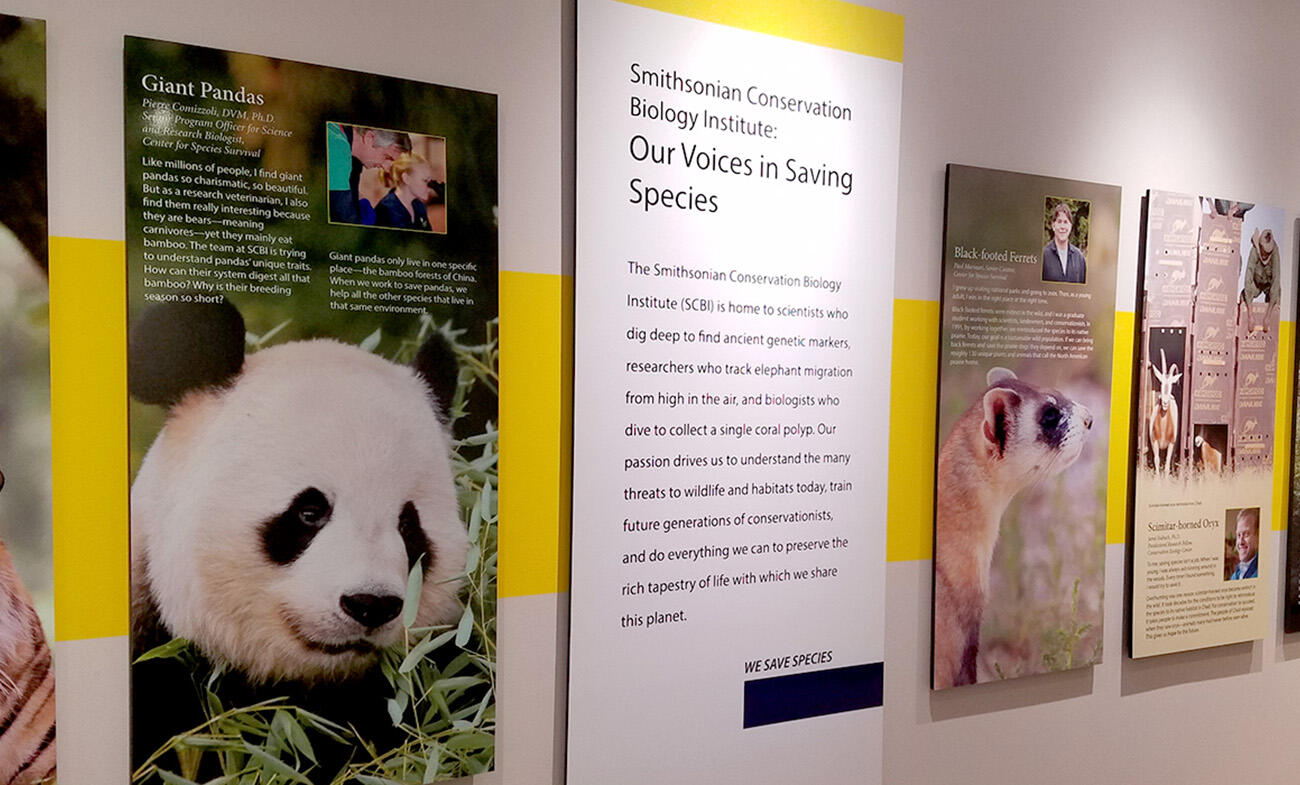
One of the Zoo’s most beloved destinations, Africa Trail aims to engage visitors with the beauty and diversity of African animals while highlighting the Smithsonian's conservation work around the globe.
Cheetah Conservation at the Smithsonian
The Smithsonian’s National Zoo and Conservation Biology Institute is part of the Cheetah Species Survival Plan (SSP), a coordinated effort among zoos to manage and breed cheetahs in human care. Smithsonian scientists conduct advanced research to better understand cheetah physiology and behavior, with the goal of improving the care of cheetahs in zoos and guiding conservation strategies in the wild. Learn about the Smithsonian's cheetah breeding program.