Corals and sea anemones (anthozoa) News
Displaying 1 - 5 of 5
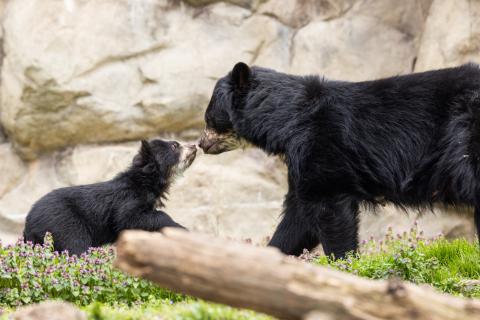
What's New at the Smithsonian’s National Zoo This Summer? ›
There's plenty to see this summer at the Smithsonian’s National Zoo and Conservation Biology Institute. Check out five amazing things you won’t want to miss during your next visit.
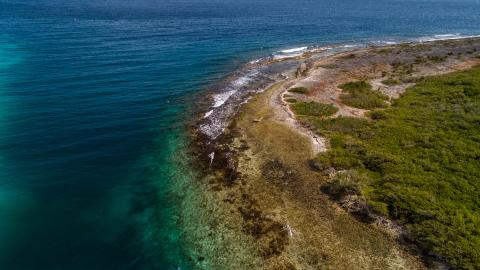
Connecting Ocean Conservation from Sea to Sky ›
From the deepest trenches to the shallowest shores and across five basins, water circulates in one interconnected system: the world ocean. This World Ocean Day, discover how seemingly different animals — sessil coral and soaring seabirds — are connected to each other, to a changing climate and to...
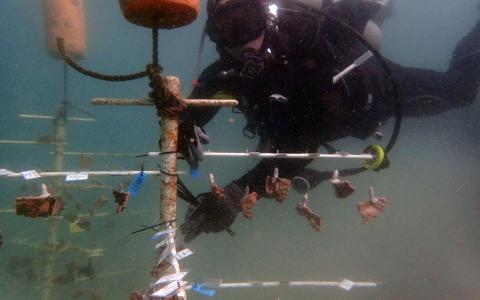
Testing the Waters: Coral Nurseries and Climate Change ›
What makes (or breaks) a coral’s ability to survive rising sea temperatures? It’s a puzzling predicament, and scientists are hoping coral nurseries can help crack the code.
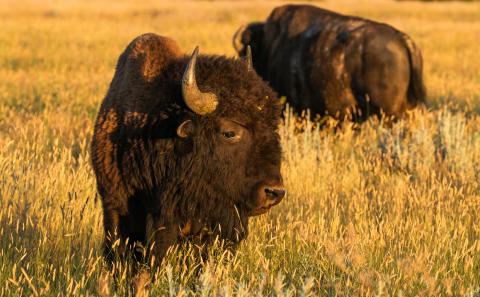
2018 Conservation Wins, Part One ›
The Smithsonian’s National Zoo and Conservation Biology Institute is dedicated to saving species. Every year, its team of conservationists here and around the globe works hard to make that mission a reality — and 2018 was no exception.

Smithsonian and Partners Pioneer Method to Boost Endangered Coral Populations Separated by Vast Distances ›
Smithsonian scientists and partners in Florida and Curaçao have become the first to use cryopreserved (frozen) coral sperm to support gene migration of coral populations that would otherwise remain geographically and genetically isolated.