
New at the Zoo: Meet Obi the Tamandua

Ants, beware. Obi the southern tamandua — a tree-dwelling species of anteater — is slurping his way into his habitat at the Smithsonian’s National Zoo. Guests can spot Obi inside the Small Mammal House.
Obi, a nickname for “Oblio”, arrived from Roger Williams Park Zoo in April. Keepers say he’s still getting the hang of his new home, but he's already winning over visitors with his long tongue, climbing skills and curious personality.
“He’s settling in really well,” said keeper Chelia Chong. “He’s still figuring out how to move through the exhibit. He’s had a few awkward moments here and there. But his tail always catches him.”

Animal care staff are working to learn Obi's personality, but Chong said he is "curious and a little reserved."
Close relatives of giant anteaters, tamanduas spend much of their time foraging in the tree canopy for insects. Tamanduas’ mouths are surprisingly tiny — about the width of a pencil eraser — but hide a 16-inch long, saliva-coated tongue. “It doesn’t take long for that saliva to cover all their enrichment items,” said Chong.
Now that Obi is getting comfortable, Chong said the next step is to build trust. Keepers will expose him to new enrichment and food items, learning more about what he likes best.
“He definitely enjoys his bugs,” Chong said. “And he absolutely loves mealworms.”

At 7 months old, Obi is nearly fully grown. He weighs 14 pounds (6 kg), about the size of a large housecat.
Chong hopes Obi will become one of the most beloved animals at the Small Mammal House. So far, he seems to be a hit among visitors.
“When he first went on exhibit, visitors came up to us and said, ‘It’s so great you have tamanduas again!’” Chong said. “There are a lot of people out there who really love tamanduas.”

Obi's favorite food? Mealworms.
Chong said there's one thing you might not expect when you meet Obi: tamanduas are smellier than you’d think. They produce a strong, musky aroma, a defense mechanism that's often compared to a skunk’s spray. Ironically, Obi lives around the corner from Sauerkraut, a striped skunk... but Sauerkraut was de-glanded when he first arrived. So guests who notice a smell usually blame the skunk without ever finding out who the real culprit is.
Want more animal care news? Sign up to receive the latest email updates and information on Zoo news, events, volunteer opportunities, and more.
Love tamanduas? Your donation helps protect them in the wild through Smithsonian conservation and research programs. Learn more or make a donation.
Continue Exploring

The Striped Skunk: America’s Misunderstood Neighbor
They're one of North America’s most recognizable animals, but how well do you really know these fascinating creatures?
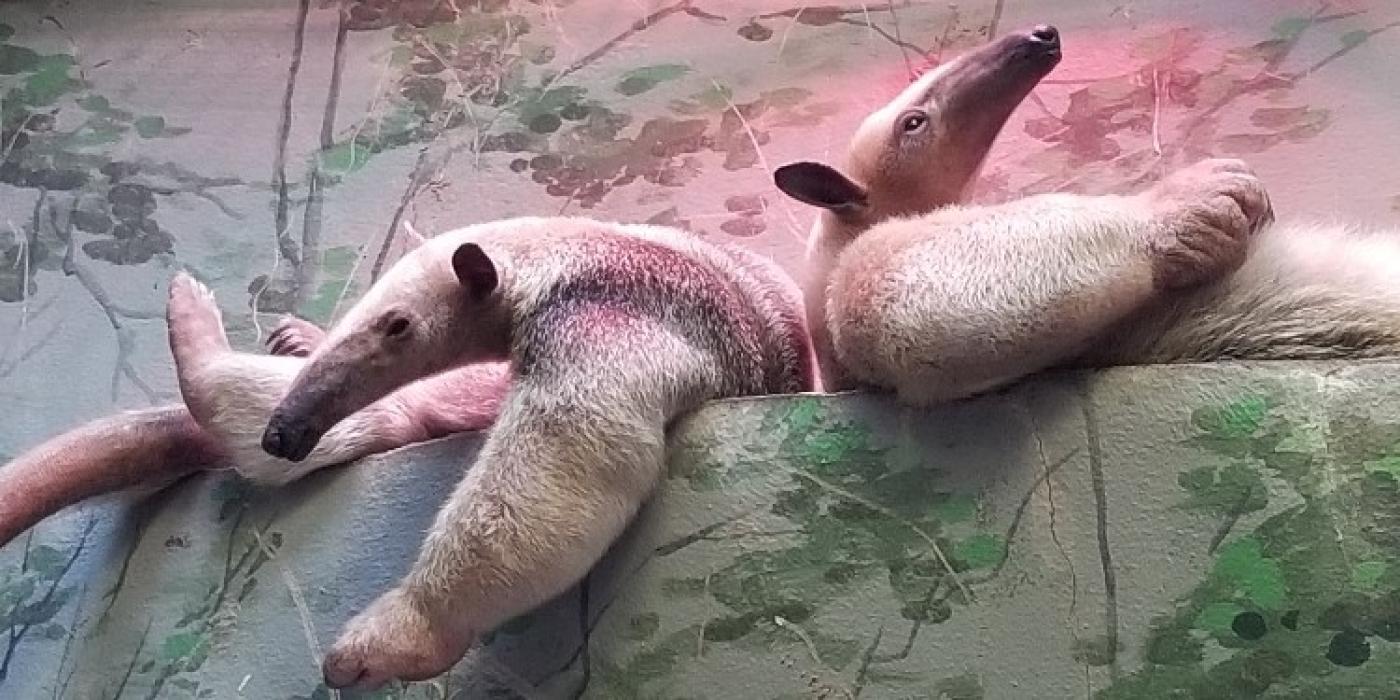
Remembering Two Tamanduas
In May, our Small Mammal House team said goodbye to two beloved tamanduas: Manny and Cayenne.
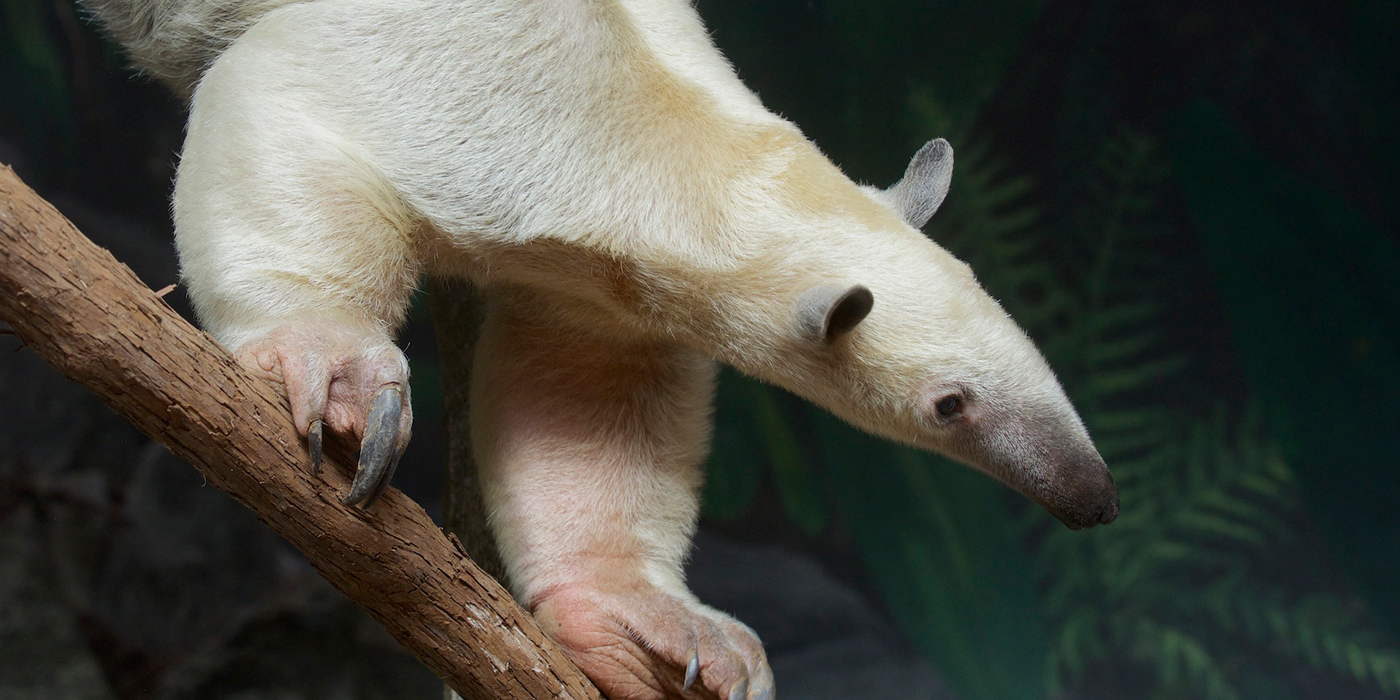
Zoo Vets Solve Cardiac Conundrum
One tamandua at the Zoo has a new piece of tech helping him to stay healthy, after what is believed to be a first in veterinary medicine.