
See These 5 New Animals at Your Next Visit to the Smithsonian's National Zoo

There's a certain magic to a fall visit to the Zoo. Crisp air, crunchy leaves, and (if we're being honest) a lack of humidity means there’s no better time to visit the animals at the Zoo — including the newest arrivals. So grab a sweater and get ready to say hello to these new faces on your next trip to the Smithsonian’s National Zoo.

Chacoan peccary
Olmsted Walk
You might be tempted to greet these new arrivals with a "lookin' swine!" But Chacoan peccaries aren't actually pigs. Tayassuidae, a group of pig-like mammals, are only distantly related to boars and wild hogs, and are a sister species to the javelina found in the United States.
Although this new group hails from San Diego Zoo, Chacoan peccaries are native to the Gran Chaco, a massive dry forest in South America home to jaguars, giant armadillos and rheas. They didn’t arrive with official names, but the National Zoo’s keeper team gave the “four ladies” affectionate nicknames: Zsa Zsa Gaboar, Mia Hamm, Mariska Hogitay, and Hamela Anderson.
Look for the peccaries near Lemur Island.

Wattled jacana
Amazonia
No, those aren’t bird-sized skis. The spindly sticks the wattled jacana walks on are its toes — and they're the longest (relative to body size) in the animal kingdom.
These bizarre-looking wetland birds use those giant feet to walk across lily pads and other floating vegetation in South America’s tropical wetlands. Amazonia keeper Hillary Colton says the pair have settled in nicely to their swamp-like habitat. “Visitors love them, and they get along pretty well with the other birds,” she said.
Look for the pair of jacanas — a male named Tonto and a female named Estrella — near the stingray pool.

Forster’s tern
Bird House
The award-winning Bird House is known for being of the nation’s top destinations for showcasing migratory songbirds and waterfowl. But it’s also where injured birds can get a second chance.
After a juvenile male Forster’s tern was found on a Florida beach with a wing injury that had healed out of place, wildlife rehabilitators from Seaside Seabird Sanctuary determined he wouldn’t be able to be released back into the wild. Fortunately, Zoo staff stepped in, welcoming the bird to the Bird House’s shorebird aviary in April. Keepers have nicknamed him Forrest.
Assistant curator Stacy Hill said: “Forrest is learning the ropes of being in the aviary, which is pretty big adjustment for a bird that came in from the wild … He’s people-curious. He watches out for keepers and waddles over and greets us when we come in.”
Fun fact: Forster's terns hunt using a technique called plunge-diving, where they hover over the water before launching headfirst to snag prey below the surface.

Electric eel
Amazonia
Here’s an arrival that might come as a shock: Ameelia Bedeelia, an electric eel from Florida Aquarium, was introduced to the field station tank in Amazonia in June.
Like other electric eels, much of her impressively large body (40 inches!) is dedicated to generating electricity. “Most people don’t realize that all of the visceral organs, like digestive, reproductive and respiratory systems, are found in the front section of the fish,” says keeper Hillary Colton. “The back half is primarily made up of various electric organs.”
So how do Ameelia’s keepers handle the world’s most electrifying animal? Carefully. After removing conductive materials like metal bracelets or rings, they work in teams, insulating themselves with a pair of thick rubbery gloves before approaching the tank.
Fun fact: An electric eel’s shock isn’t just for hunting. Their electricity-generating organs act like built-in radar, pulsing out weak signals that allow them to move safely through muddy rivers and streams.

Two-toed sloth
Small Mammal House
Slow down or you’ll miss Olive, a 4-year-old southern two-toed female sloth, who made her debut in August.
Keepers who’ve spent the past several weeks getting to know Olive say she has a curious and spirited personality. Her current hobbies include exploring every inch of her new home, venturing below the vines to interact with a female agouti named Darlene, playing with a water hose… and, of course, sleeping.
Olive arrived at the National Zoo in July from Audubon Aquarium in New Orleans following a recommendation from the Association of Zoos and Aquariums’ Species Survival Plan. Keepers hope she’ll produce a few babies with the help of Vlad, the Zoo’s 40-year-old male sloth — though true to sloth form, that might take a while.
Watch a video of Olive playing with a water hose for enrichment:
Also in the Fall: The Return of Halloween Events

What’s better than an autumn visit to the Zoo? An autumn visit after dark.
This year, the family-friendly Boo at the Zoo Halloween celebration returns Oct. 16-18. And for adults, the thrilling Night of the Living Zoo party is back Oct. 23. Grab your tickets before they sell out!
Continue Exploring

8 Reasons Why Zoo Staff Think You'll Love Chacoan Peccaries ›
Two animal care experts share why this new species might become your next obsession.

Inside the Bird House's Coffee Farm ›
Zoo staff have designed a unique tropical aviary where a vibrant flock of birds thrives year-round.
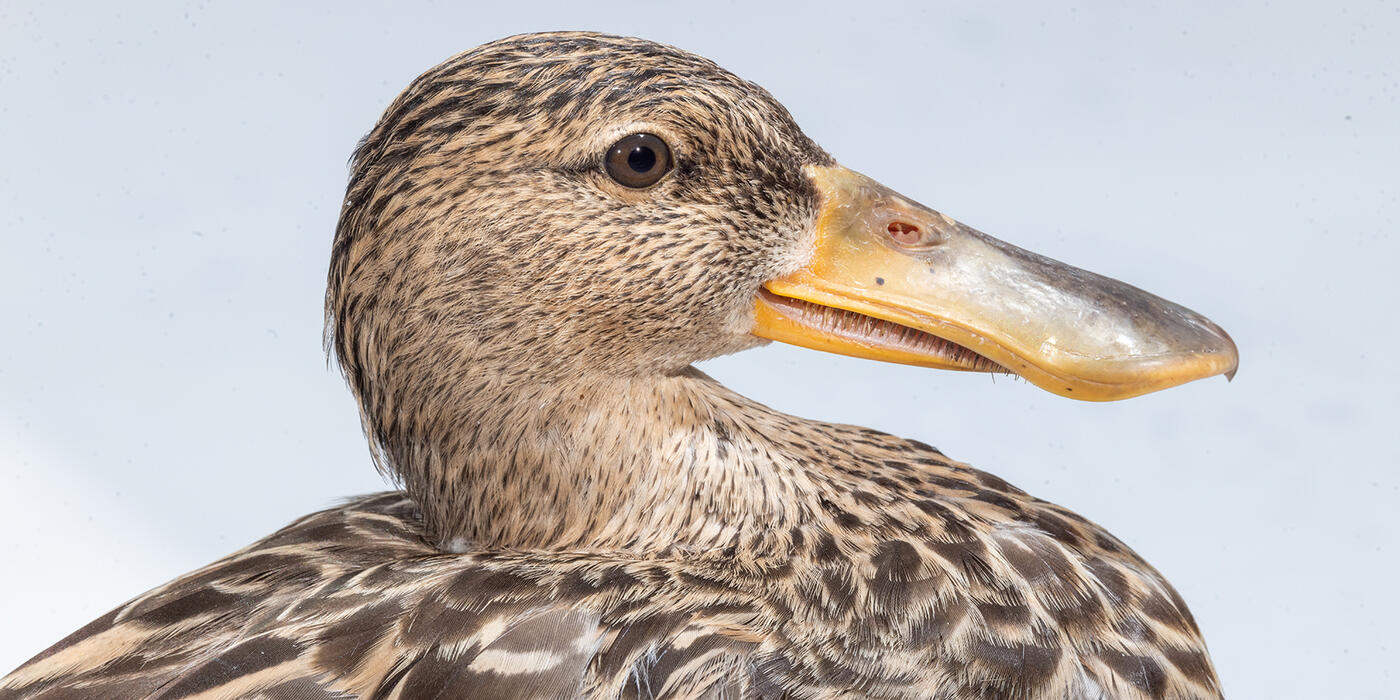
Historic Hatching: Northern Shoveler Ducklings ›
For the first time since 1908, northern shoveler ducklings have hatched at the Bird House!