
Exhibit Updates and Construction

The Zoo is carrying out some major maintenance and construction projects to improve the animal habitats and overall visitor experience. As a result, some portions of the Zoo may be closed or off-limits during your visit.
What’s Closed
- The Elephant Outpost viewing area will be closed on weekdays for a yard improvement project. The area will fully reopen Spring 2027.
- The Africa Trail is closed for an improvement project. Reopening Summer 2027.
- The Beaver/River Otter/Bald Eagle habitat on American Trail is scheduled for an upcoming renovation. Reopening 2028.
- The new Arabian Leopard habitat near Africa Trail is under construction. Reopening 2029.
- The outdoor Komodo dragon and Chinese alligator habitats at Reptile Discovery Center are scheduled to permanently close on Nov. 16, 2026.
- The Bird House’s Great Flight Aviary is closed.
What’s Open
Nearly all of the Zoo’s main animal areas are open. Some visitor walkways and buildings may be temporarily impacted on the date of your visit.
For day-of information, check signs or ask staff at the Visitor Center.

Amazonia
Get up close to the animals of the Amazon, including electric eels, sting rays, arapaima and roseate spoonbills. Or, see cutting-edge Zoo science at Amphibian Alert and the Coral Lab.
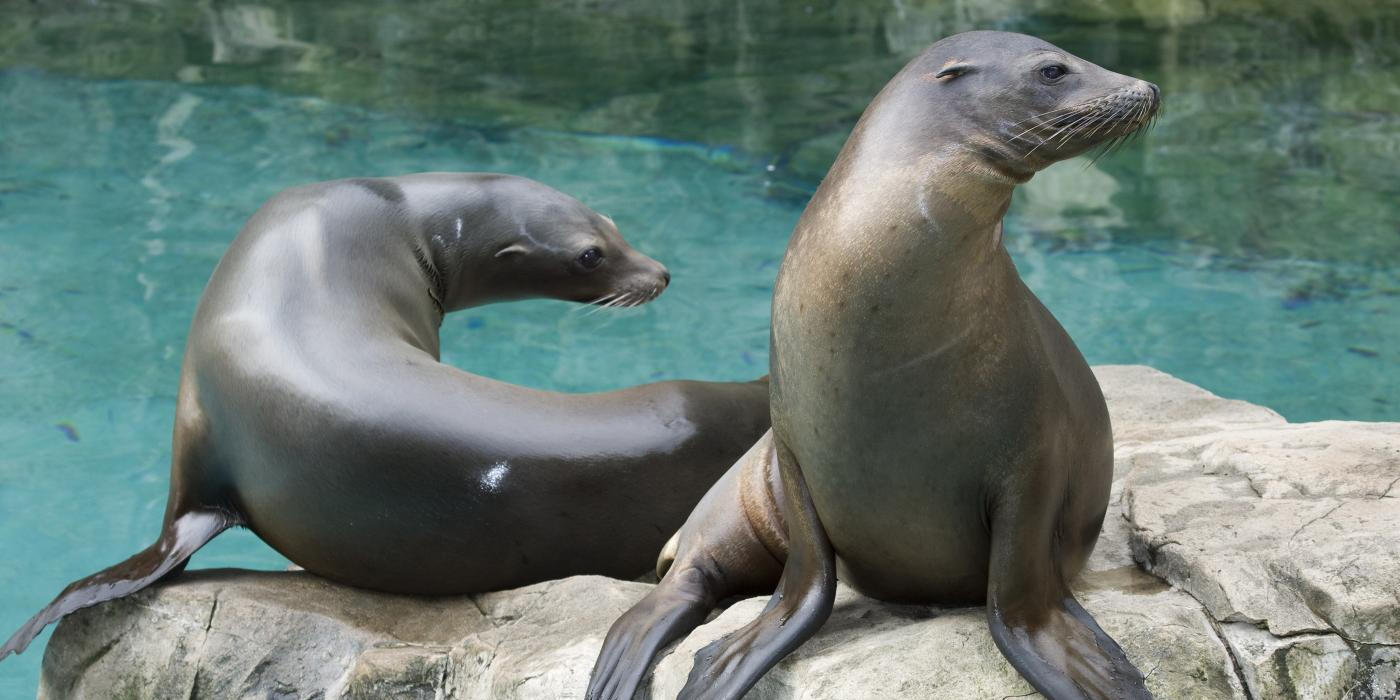
American Trail
American Trail is the place where Zoo visitors can get their feet wet while learning about California sea lions, red wolves, bald eagles, brown pelicans and beavers.

Asia Trail
Asia Trail is home to the some of the largest continent's most unique species: giant pandas, sloth bears, red pandas, Asian small-clawed otters, clouded leopards and fishing cats.
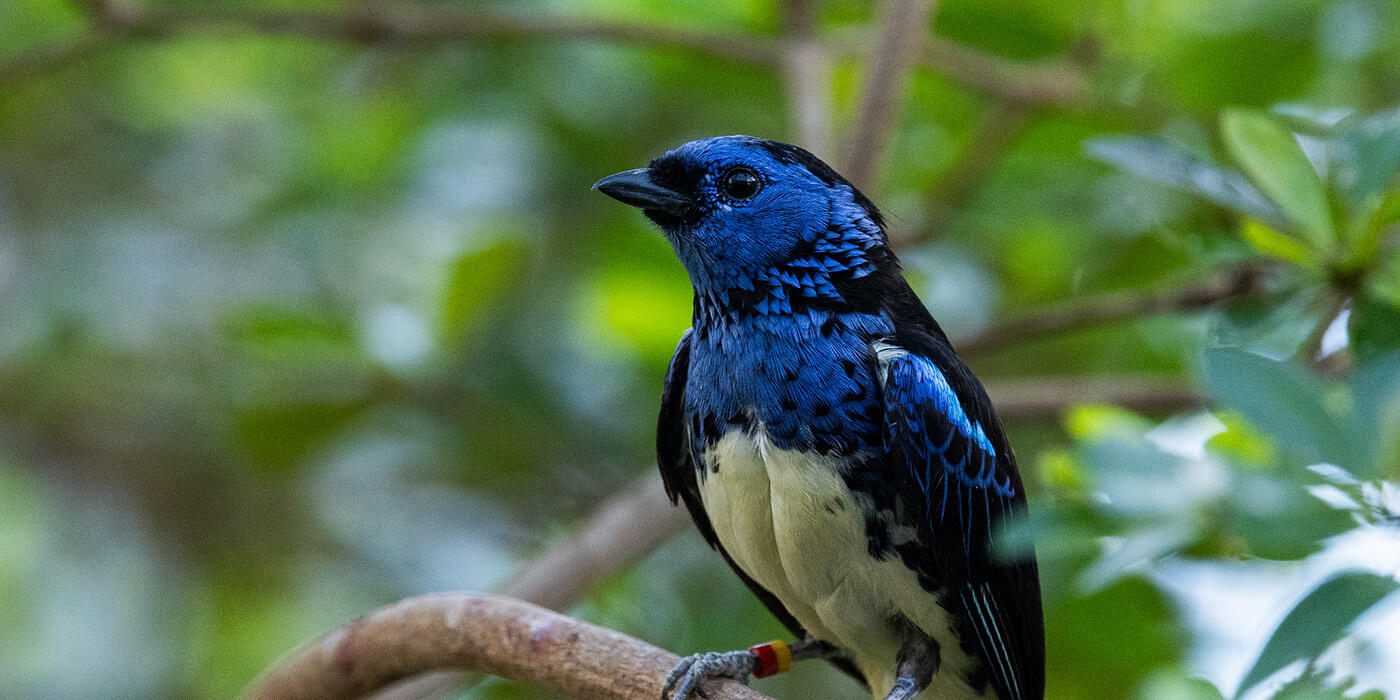
Bird House
The Bird House exhibit invites Zoo visitors to soar into the fascinating world of shorebirds, waterfowl and songbirds from the Americas.
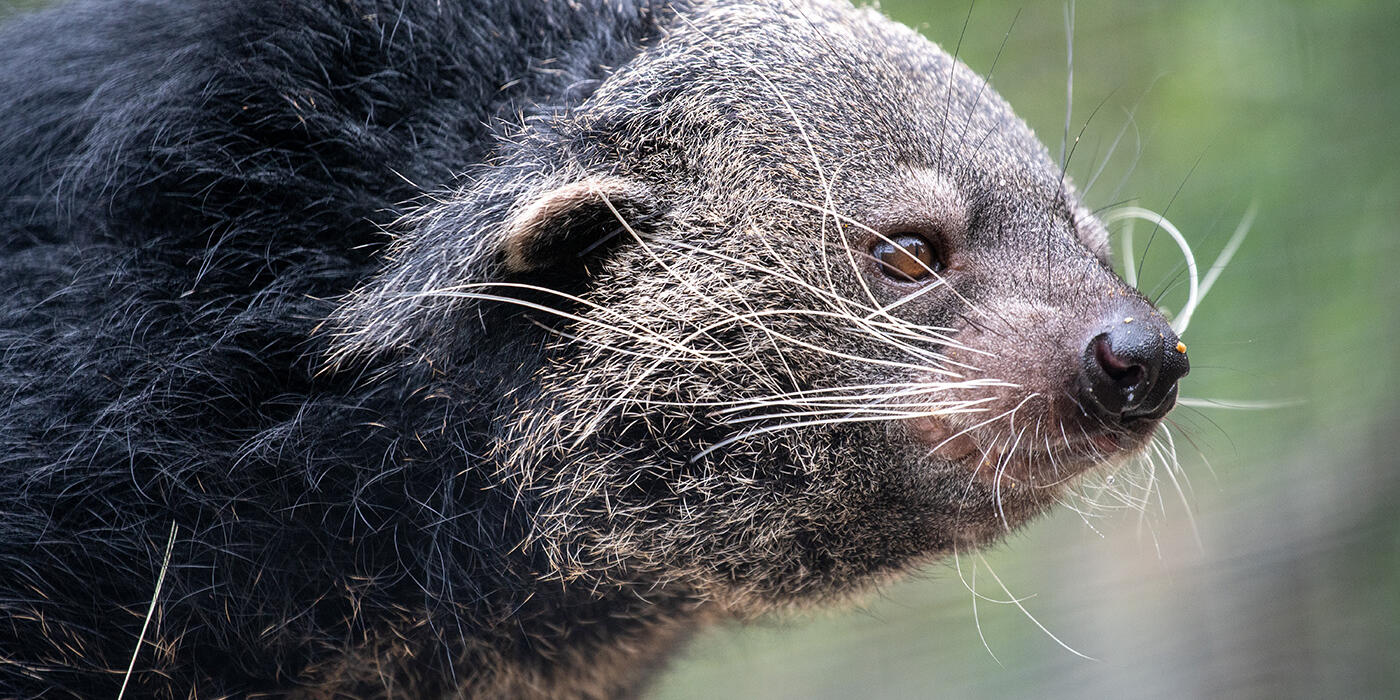
Claws & Paws Pathway
Meet binturongs, bobcats, Pallas' cats and porcupines along Claws & Paws Pathway.

Elephant Trails
Elephant Trails is more than an exhibit; it is also an extensive conservation program built on decades of science. The Smithsonian’s National Zoo’s rich history of caring for and studying Asian elephants spans more than a century.
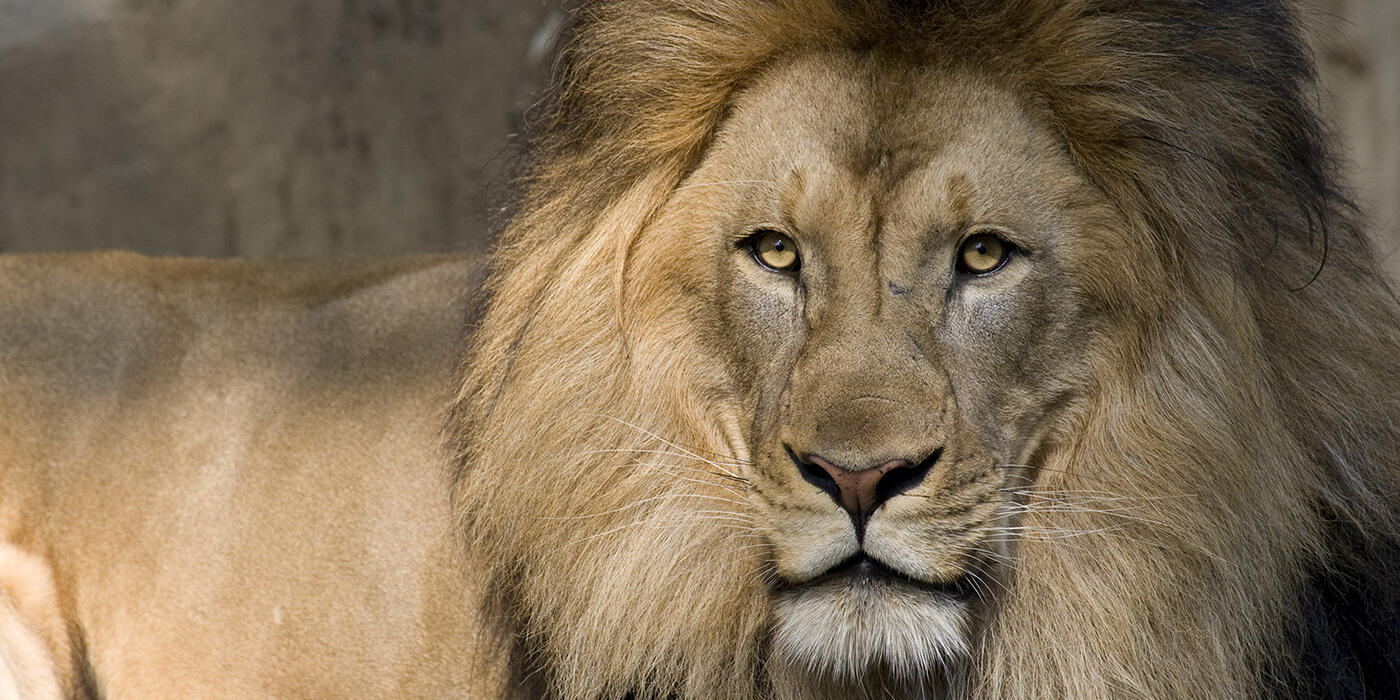
Great Cats
Some of the top predators on the planet live at the Great Cats exhibit, including African lions and Sumatran tigers.
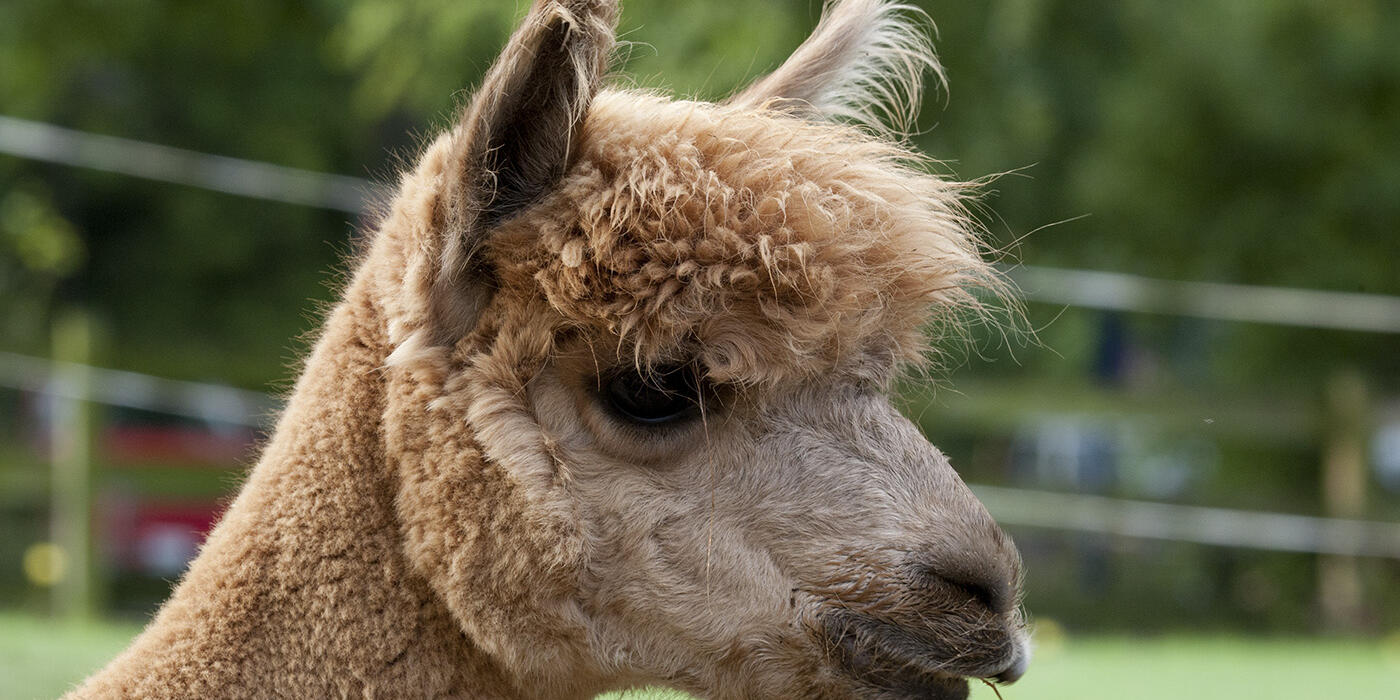
Kids' Farm
At Kids’ Farm, visitors can see cows, alpacas, hogs, donkeys, goats, chickens and fish.
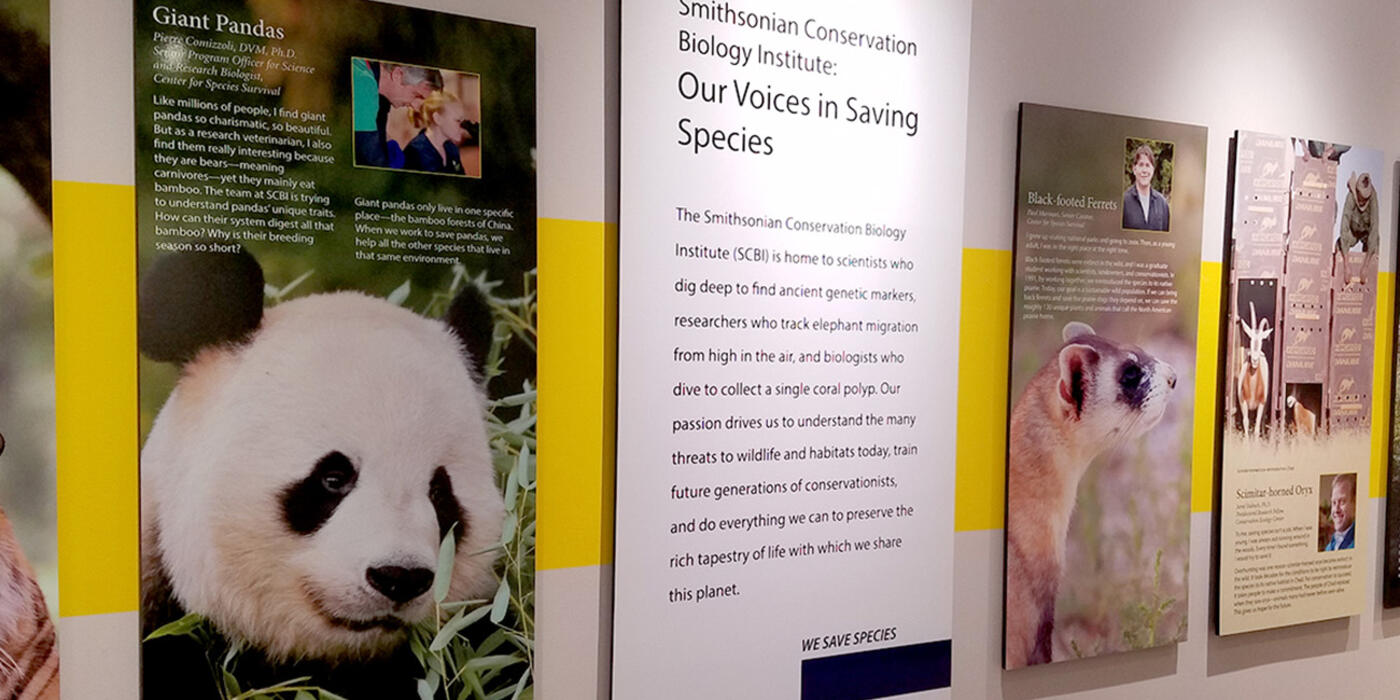
Our Voices in Saving Species
This gallery of photos and stories highlights Smithsonian efforts to save wildlife species from extinction and to train future generations of conservation scientists.
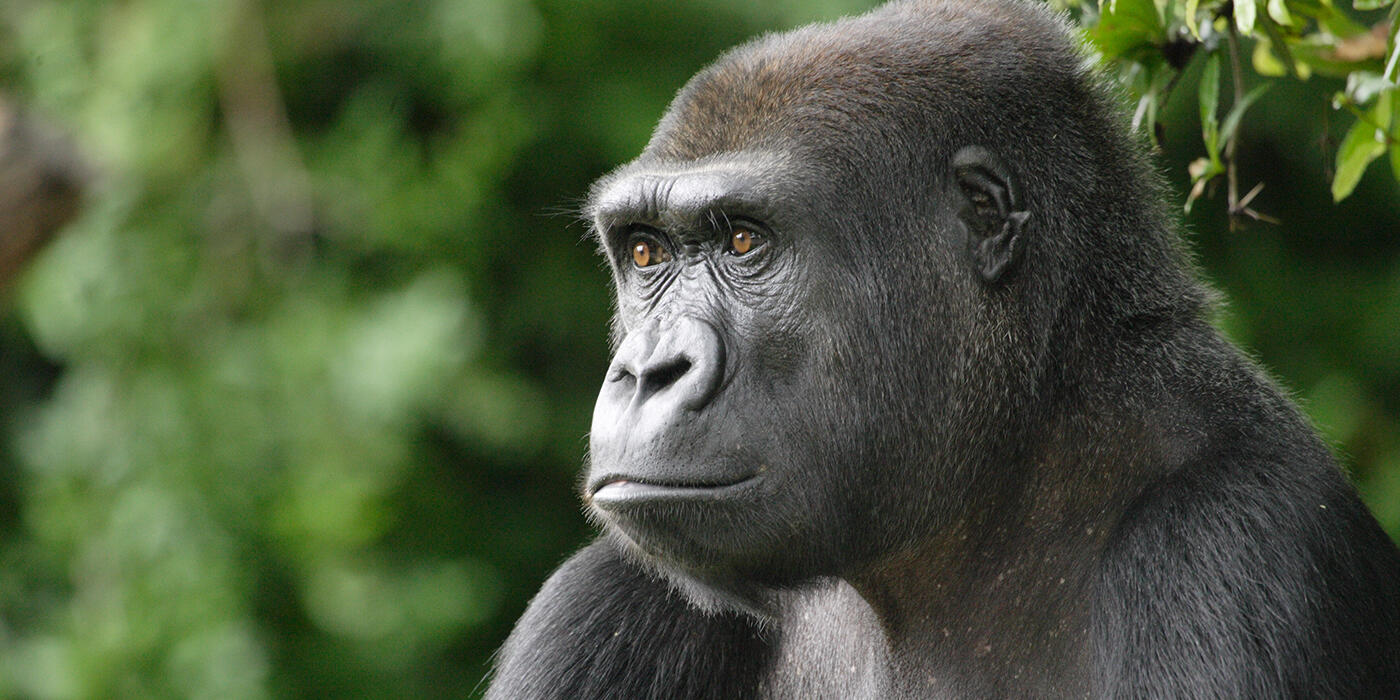
Primates
The Smithsonian’s National Zoo is home to some of the world's most intelligent animals. Get up close to the Zoo’s gorillas and orangutans in the Great Ape House and Think Tank.
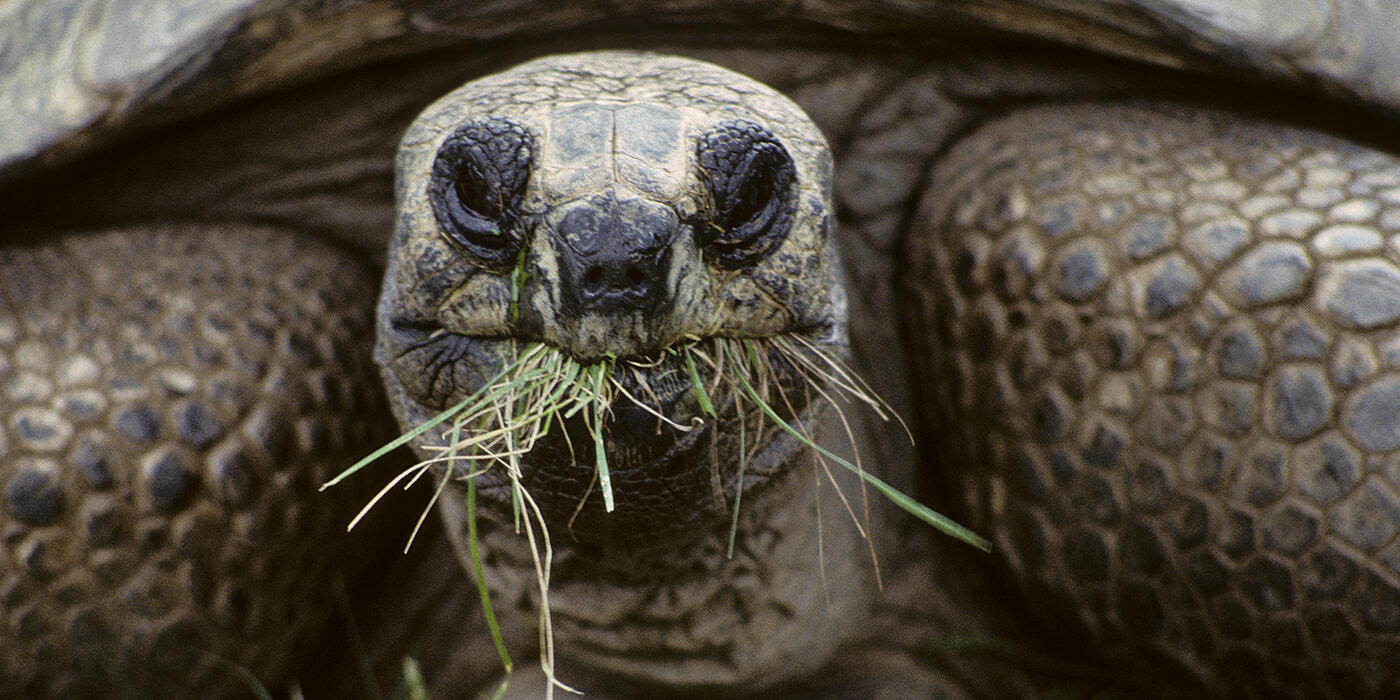
Reptile Discovery Center
The Reptile Discovery Center celebrates the diversity, beauty and unique adaptations of more than 70 reptiles and amphibians.
Small Mammal House
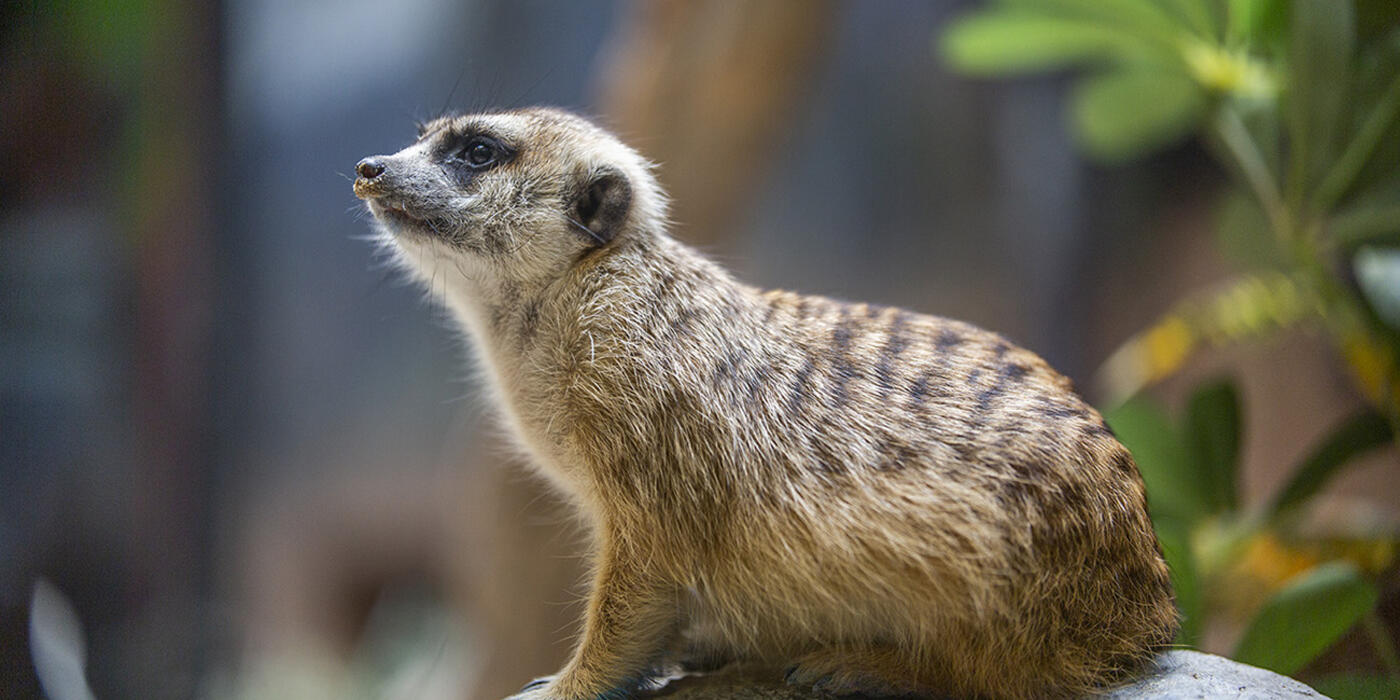
Scurry into the Small Mammal House and get up close with animals like sand cats, golden lion tamarins and naked mole-rats.
FAQs
Yes! Nearly all of the Zoo’s major animal areas are open – only some areas of the park are affected by temporary closures. Check our Exhibits page to learn which animals you might encounter on your next visit.
The outdoor Komodo dragon and Chinese alligator habitats at Reptile Discovery Center are scheduled to permanently close on Nov. 16, 2026. The historic Reptile Discovery Center and its surrounding exhibits are slated for renovation in the coming years to better meet the needs of our animals, animal care staff and visitors. Both species are expected to return when renovation is complete.
Animal welfare is a priority throughout construction. We monitor animals carefully to understand how they respond. Animal care teams systematically track behaviors such as activity levels, resting patterns, habitat use, and other welfare indicators. Combined with keepers’ expert knowledge and daily observations, these data help us recognize meaningful changes and distinguish them from normal variation in behavior. If we identify a welfare concern associated with construction, we can respond by adjusting animal care practices, construction activities, or both.
Yes. Although some pathways may be temporarily closed to accommodate construction traffic, visitors can still navigate through most of the Zoo’s exhibits. For the most up-to-date information, look for signage or ask a staff.
Yes. Some stores or restaurants may be closed short-term or are weather dependent, but there are plenty of places to eat and shop at the Zoo that are unaffected by construction. Visit our Shopping and Dining page for more information on what you can expect.
Yes. Visitors are always welcome to bring their own mobility devices, although strollers may need to be left outside exhibit buildings on busy days. Rentable strollers and mobility devices are also available at the Visitor Center (near the main gate at Connecticut Avenue) or at the Lion-Tiger Hill information booth (near the lower entrance of the Zoo) on a first-come, first-served basis.
The Zoo works to minimize disruption while making essential improvements to animal care facilities and the visitor experience. Our construction protocols require work equipment not be operated before 7 a.m. We are committed to complying with applicable D.C. regulations, including noise ordinances, and ensuring proper permitting is in place.
Have a question about Zoo construction or campus planning? Email [email protected].
The Smithsonian’s National Zoo is a designated historic district, listed in the D.C. Inventory of Historic Sites and the National Register of Historic Places. Since opening in 1891, the Zoo has provided an extraordinary window into the natural world and now welcomes 2 million visitors each year. Changes to the Zoo’s layout are vetted and approved by various historical planning commissions, with the goal of maintaining the original character of the historic district and also providing a world-class experience for animals and visitors.
Looking Ahead

Saudi Arabia: Arabian Leopard
Visitors will soon encounter this rare species in a brand-new habitat at the Smithsonian’s National Zoo.

Help Support Our Mission
Did you know? The National Zoo is both a public park and a working research center. Staff play a leading role in the Smithsonian’s global efforts to save wildlife species from extinction and train future generations of conservation leaders.