Scimitar-horned oryx News
Displaying 1 - 19 of 19

How Smithsonian Science Is Helping the Scimitar-Horned Oryx Recover — and Thrive ›
Once pushed to the brink of extinction, the oryx is becoming one of conservation's most inspirational stories.

See How the Pandas (And Other Animals) Enjoyed a Chilly Snow Day ›
Several inches of snowfall kept the Smithsonian’s National Zoo and Conservation Biology Institute closed to visitors, but the animals and their caretakers still had a good time!
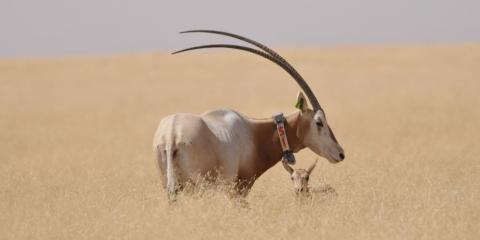
Once Extinct in the Wild, Scimitar-horned Oryx Are Back From the Brink ›
Twenty-three years after being declared “extinct in the wild”, the scimitar-horned oryx has made a remarkable comeback. Smithsonian ecologist Katherine Mertes shares how the species reached the turning point.
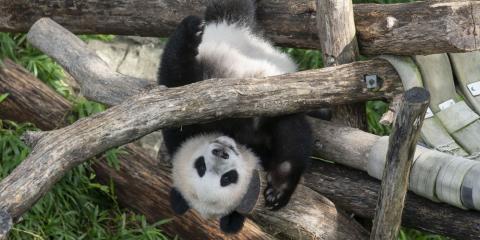
Watch: 10 Animal Videos That Topped Our List in 2021 ›
We rounded up the animal antics and species conservation stories that made us laugh, smile and cheer in 2021. Take a look back at some of our favorite moments caught on video.
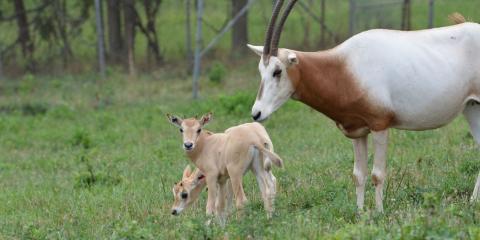
Favorite Fall Moments With Onagers and Oryx ›
Have you herd . . . our Persian onager filly and scimitar-horned oryx calves are exploring their surroundings! Get the latest update on their adventures from Tara Buk, Smithsonian Conservation Biology Institute animal keeper.
Two Scimitar-Horned Oryx Calves Born as Result of Artificial Insemination at Smithsonian Conservation Biology Institute ›
Ungulate keepers and scientists at the Smithsonian Conservation Biology Institute (SCBI) in Front Royal, Virginia, are celebrating the birth of two scimitar-horned oryx calves born via non-surgical artificial insemination. A male calf was born July 9 to 6-year-old female Esmerelda, and a female calf...
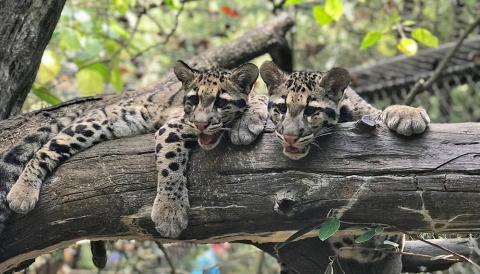
2019’s Conservation Stories Worth Celebrating (Part Two) ›
As 2019 comes to a close, we’re continuing to reflect on some of this year’s biggest conservation success stories.
Goats and Gazelles and Oryx, Oh My! How Wildlife Veterinarians Treat (Almost) All Species ›
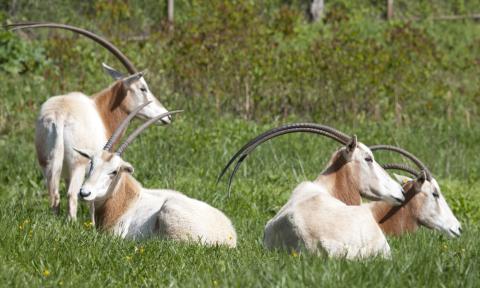
For wildlife veterinarians, patients can span hundreds of different species. Find out how zoo veterinarians manage to treat so many different kinds of animals, including those that are endangered and exceedingly rare.

Critically Endangered Scimitar-horned Oryx Calves Born at the Smithsonian Conservation Biology Institute ›
The Smithsonian Conservation Biology Institute's herd of scimitar-horned oryx is growing. Keepers welcomed five calves during the past few weeks.

NextGen Science: Tracking Endangered Species ›
As part of the Explorations in Engineering program at Foxcroft School in Middleburg, Virginia, students had a rare opportunity to help Smithsonian scientists save two critically endangered species: pangolins and scimitar-horned oryx.
Critically Endangered Scimitar-horned Oryx Born at the Smithsonian Conservation Biology Institute ›
A scimitar-horned oryx calf was born at the Smithsonian Conservation Biology Institute in Front Royal, Virginia, June 30. The calf was conceived by artificial insemination with sperm that was cryopreserved (frozen) in 2011, and the calf’s mother did not need to be anesthetized for the procedure — a...
Today Is Endangered Species Day ›
The Smithsonian’s National Zoo and Conservation Biology Institute is dedicated to saving species. Every day, its scientists and partners undertake important conservation efforts to protect species and their habitats.
Vote to Name Our Two Scimitar-horned Oryx Calves at the Smithsonian Conservation Biology Instiute ›
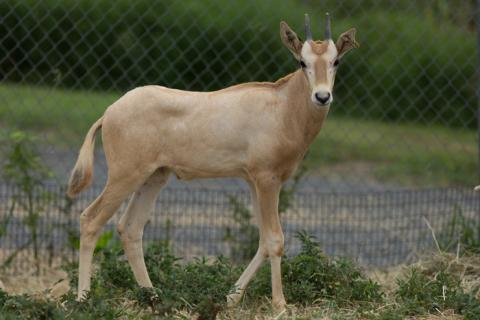
We’re celebrating the one-year anniversary of the reintroduction of scimitar-horned oryx to the wild! As part of the celebration, we’re asking for help naming two of our scimitar-horned oryx calves at the Smithsonian Conservation Biology Institute in Front Royal, Virginia. The calves were born in...
Earth Optimism: Oryx ›
Extinct in the wild for more than 35 years, scimitar-horned oryx are back in their native habitat thanks to international collaboration and the power of science.
Scimitar-horned Oryx Calves Born in the Wild ›
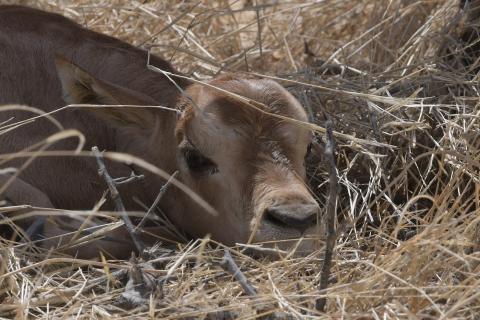
Three scimitar-horned oryx calves have now been born in the wild. Species reintroductions led by Environment Agency – Abu Dhabi and the Government of Chad began last year. SCBI ecologists collect behavioral data on the reintroduced oryx using satellite collars.
Preparing for the Second Release of Scimitar-Horned Oryx to the Wild in Chad ›
I traveled to the United Arab Emirates in early October to work on the second release of Scimitar-horned Oryx with our collaborators from the Environment Agency—Abu Dhabi (EAD). Scimitar-horned oryx are a desert antelope native to Northern Africa. The first release was completed over the summer when...
Extinct-in-the-Wild Antelope Return to the Grasslands of Chad ›
Thirty years after the scimitar-horned oryx were driven to extinction, the desert antelope will return to the last-known place it existed: Chad's Sahelian grasslands. The reintroduction--the culmination of decades of work--is being led by the Environment Agency-Abu Dhabi (EAD), the government of...
Oryx Calf Update: Bottle Feeding Q&A ›
In summer 2015, the Smithsonian Conservation Biology Institute celebrated the birth of seven scimitar-horned oryx calves. When keepers noticed that a female calf named Esmerelda wasn't getting the maternal care she needed, they leapt into action. Keeper Dolores Reed bottle-fed Esmerelda, and now she...