
Our Research Centers and Programs

Center for Conservation & Sustainability
The Center for Conservation and Sustainability (CCS) is dedicated to advancing the protection of biodiversity by applying science to critical conservation challenges. The multidisciplinary team of scientists conducts research, long-term monitoring, and training to understand and predict changes in biodiversity and support conservation in Earth’s most vulnerable ecosystems.

Center for Conservation Genomics
The Center for Conservation Genomics (CCG), based at the National Zoo, uses advanced genetic tools to study animal evolution and the effects of habitat change. Through innovative techniques like ancient DNA analysis and genomic sequencing, CCG collaborates globally to support biodiversity conservation in the wild and in human care.

Conservation Ecology Center
The Conservation Ecology Center (CEC), based at the Smithsonian Conservation Biology Institute, leads global and local efforts to conserve species, restore habitats, and empower conservation practitioners through science-driven collaboration. CEC is working in 38 countries to help return species to the wild, conduct forest and grassland monitoring, and tackle conservation challenges worldwide.

Migratory Bird Center
The Smithsonian Migratory Bird Center, based at the National Zoo in Washington, D.C., conducts global research and public education to conserve migratory birds and their habitats. Through initiatives like Bird Friendly certification and Migratory Connectivity Project, the center studies birds across their full annual cycle while engaging communities in conservation.

Center for Species Survival
The Center for Species Survival (CSS) conducts pioneering research in reproduction, health, and welfare sciences to help rare and endangered species thrive in zoos and the wild, while also advancing understanding of the human-wildlife interface in through a One Health approach. Based in Front Royal, Virginia, CSS combines cutting-edge science with global collaboration to develop practical solutions for sustaining biodiversity and thriving ecosystems.
Great Plains Science Program
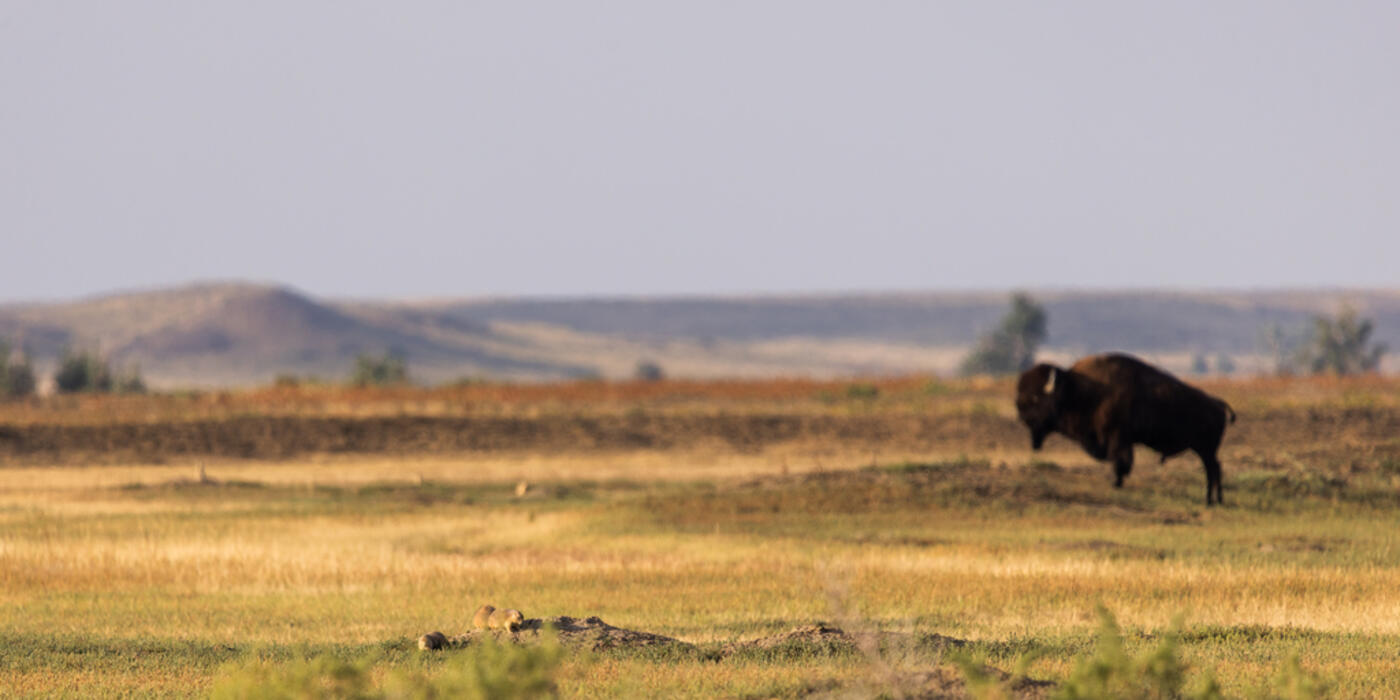
The Great Plains Science Program (GPSP) uses science-based research, education, and collaboration to understand and restore and sustainable management of the Great Plains ecosystem in the face of environmental changes. Through science-based research on reintroducing keystone species, such as swift fox and black-footed ferrets, tracking and conserving migratory songbirds, and monitoring grassland biodiversity and ecosystem health.

Virginia Working Landscapes
Virginia Working Landscapes (VWL), based at NZCBI’s Front Royal campus, collaborates with landowners, producers, researchers, and community partners to conserve the native biodiversity on working lands. Through research, education, and stakeholder engagement, VWL promotes land management practices that support both agricultural productivity and ecosystem health.

Global Health Program
The Global Health Program conducts cutting-edge research, builds capacity, and creates scalable solutions that strengthen public health and protect wildlife populations around the world.