News Archive
Filter By
- Abyssinian ground hornbill
- Addax
- Aldabra tortoise
- Allen's swamp monkey
- Alpaca
- American alligator
- American avocet
- American bison
- American flamingo
- American wigeon
- Andean bear
- Aquatic caecilian
- Arapaima
- Asian elephant
- Asian small-clawed otter
- Asian water dragon
- Australian snake-necked turtle
- Bald eagle
- Baltimore oriole
- Barred owl
- Bearded emperor tamarin
- Beaver
- Bennett's wallaby
- Binturong
- Black-and-white ruffed lemur
- Black-crowned night heron
- Black-footed ferret
- Black-tailed prairie dog
- Black-throated blue warbler
- Blue-billed curassow
- Blue crane
- Bobcat
- Brown pelican
- Bufflehead
- California sea lion
- Canvasback
- Cedar waxwing
- Channel catfish
- Cheetah
- Chicken
- Chinese alligator
- Chinese three-striped box turtle
- Clouded leopard
- Collared brown lemur
- Common raven
- Common yellowthroat
- Corals and sea anemones (anthozoa)
- Cow
- Crocodile monitor
- Cuban crocodile
- Dama gazelle
- Degu
- Dunlin
- Eastern corn snake
- Eastern indigo snake
- Eastern newt
- Eastern red-backed salamander
- Eastern screech-owl
- Eld's deer
- Electric eel
- Emperor newt
- Fennec fox
- Fishing cat
- Gaboon viper
- Geoffroy's marmoset
- Gharial
- Giant leaf-tailed gecko
- Giant panda
- Goat
- Golden-headed lion tamarin
- Golden lion tamarin
- Gray seal
- Gray wolf
- Green tree python
- Grevy's zebra
- Guam kingfisher (sihek)
- Guam rail (ko’ko’)
- Guinea pig
- Harbor seal
- Hartmann's mountain zebra
- Hawk-headed parrot
- Hellbender
- Home's hinge-back tortoise
- Hooded crane
- Iranian fat-tailed gecko
- Japanese giant salamander
- King vulture
- Komodo dragon
- Kori bustard
- Kunekune pig
- Land hermit crab
- Larger Malay mouse-deer
- Lemur leaf frog
- Lesser hedgehog tenrec
- Lesser kudu
- Lion
- Loggerhead shrike
- Long-tailed chinchilla
- Long-tailed salamander
- Maned wolf
- Meerkat
- Miniature donkey
- Naked mole-rat
- North American porcupine
- North American river otter
- Northern Luzon giant cloud rat
- Northern pine snake
- Northern pintail
- Northern red salamander
- Northern shoveler
- Northern snakehead fish
- Northern tree shrew
- North Island brown kiwi
- Norway rat
- Orangutan
- Orchard oriole
- Ossabaw Island hog
- Ostrich
- Ovenbird
- Pallas's cat
- Panamanian golden frog
- Patagonian mara
- Persian onager
- Philippine crocodile
- Prehensile-tailed porcupine
- Prevost's squirrel
- Przewalski's horse
- Pygmy slow loris
- Red-crowned crane
- Red-fronted lemur
- Red-rumped agouti
- Red-winged blackbird
- Red knot
- Red panda
- Red River hog
- Red ruffed lemur
- Red wolf
- Ring-tailed lemur
- Ruddy duck
- Schmidt's red-tailed monkey
- Scimitar-horned oryx
- Screaming hairy armadillo
- Semipalmated plover
- Semipalmated sandpiper
- Siamang
- Sitatunga
- Sloth bear
- Southern lesser galago
- Southern swamp sparrow
- Southern tamandua
- Spider tortoise
- Striped skunk
- Tanagers
- Tentacled snake
- Tiger
- Titi monkey
- Turkey
- Twig catfish
- Two-toed sloth
- Vietnamese mossy frog
- Virginia opossum
- Von der Decken's hornbill
- Western lowland gorilla
- White-cheeked gibbon
- White-faced saki
- White-naped crane
- White-nosed coati
- Whooping crane
Displaying 1101 - 1125 of 2401 articles.
Giant Panda Mei Xiang is Artificially Inseminated at the Smithsonian’s National Zoo ›
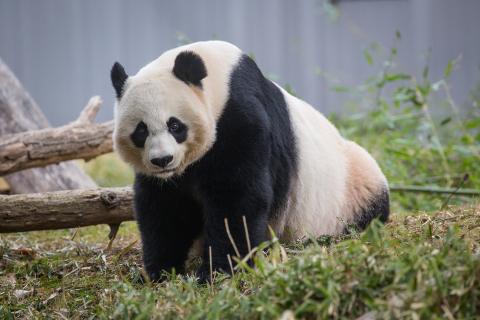
A team of reproductive scientists, veterinarians and panda keepers at the Smithsonian’s National Zoo and Conservation Biology Institute performed an artificial insemination on giant panda Mei Xiang.
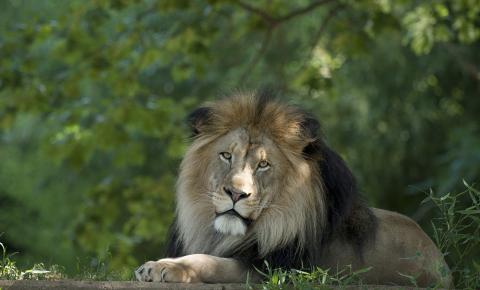
African Lion Luke Update ›
Visitors may have noticed that 12-year-old African lion Luke has had an on-again, off-again limp. As part of his treatment, the veterinary team is performing deep-tissue laser therapy, electroacupuncture and dry-needle acupuncture on the affected areas.
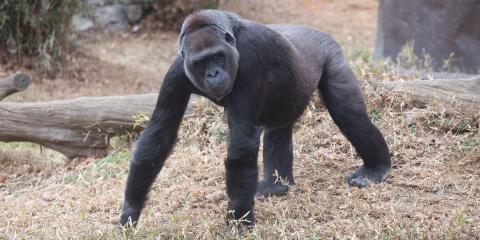
#GorillaStory: Two Troops ›
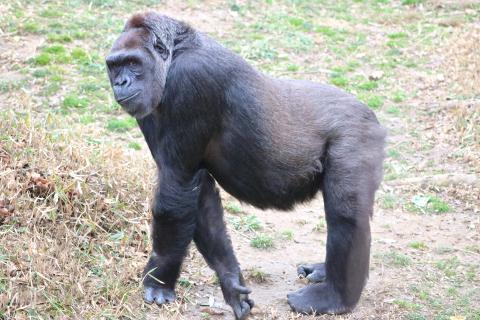
Family dynamics and relationships can be complicated, even among gorillas. The Smithsonian’s National Zoo’s Great Ape House is home to two groups—called troops—of western lowland gorillas. When deciding to introduce gorillas into a troop, animal care staff carefully consider each individual’s age...
Maned Wolf Pups Get a Checkup ›
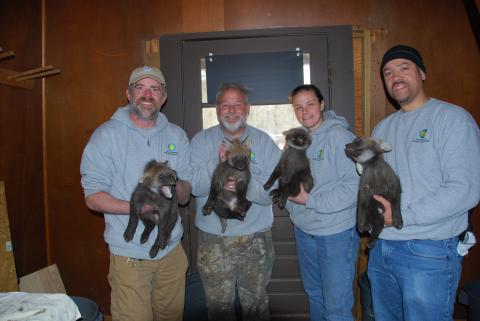
Four maned wolf pups were born at the Smithsonian Conservation Biology Institute Dec. 23, 2017. During much of their first weeks they were nestled in a den but are now exploring more areas of their yard.
Breeding Season is in the Air ›
Keepers have noticed some dramatic changes in Mei Xiang and Tian Tian’s behavior during the past several days. On Saturday, Feb. 17, Mei Xiang started showing behavioral changes that indicate she may be going into estrus within the next few weeks.
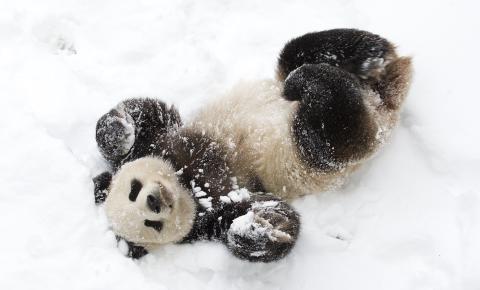
Happy Lunar New Year 2018 from Bei Bei ›
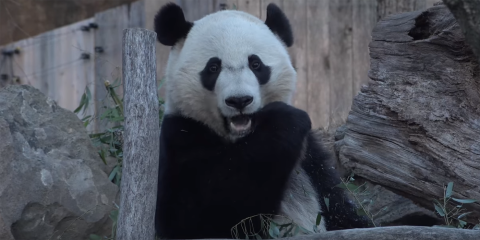
Giant panda Bei Bei celebrated the Lunar New Year with some special Year of the Dog enrichment!
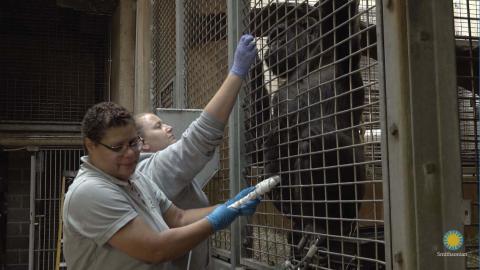
#GorillaStory: Ultrasound Training with Calaya ›
Primate keeper Melba Brown trained the Zoo’s pregnant western lowland gorilla, Calaya, to participate in ultrasounds.
Winter Olympics, Animal-style! ›
Congrats and best wishes from our wild and furry team to Team USA at the 2018 Winter Olympics in PyeongChang, South Korea!
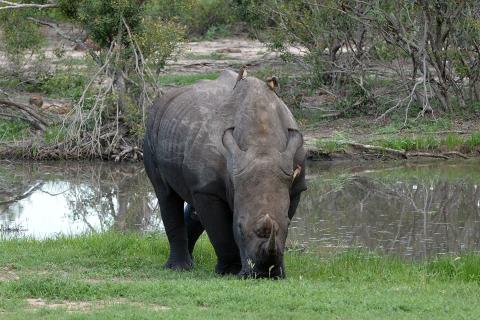
Saving Rhinos Using DNA ›
The future of rhinos could depend on their DNA. Scientists In collaboration with researchers in the United States, South Africa and Russia, Smithsonian Conservation Biology Institute scientist Klaus-Peter Koepfli has helped to pioneer new technology to save some of the most poached animals on our...
#GorillaStory: Maternal Training with Calaya ›
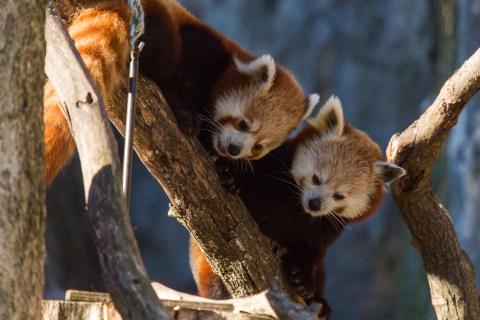
When it comes to caring for babies at the Smithsonian’s National Zoo, it takes a village. For western lowland gorilla Calaya, her village of support is the great ape animal care team and her primary keeper, Melba Brown. Every day, keepers use positive reinforcement training to teach the gorillas...
New at the Zoo: Meet Red Pandas Nutmeg and Jackie ›
Just in time for Valentine’s Day, two animals that are red and white and beloved by everyone made their debut on Asia Trail! Meet Nutmeg and her son, Jackie, who came to the Zoo from the Smithsonian Conservation Biology Institute in December. In this Q&A, get the scoop on the Zoo’s new red panda...
Pachyderms by the Pound ›
If Smithsonian Conservation Biology Institute (SCBI) endocrinologist Janine Brown could make a New Year’s resolution on behalf of North America’s elephants, it would be for them to get in shape. To better understand the role diet and exercise play in elephant health, she studied the animals’...
#OrangutanStory Update: A Redd Winter ›
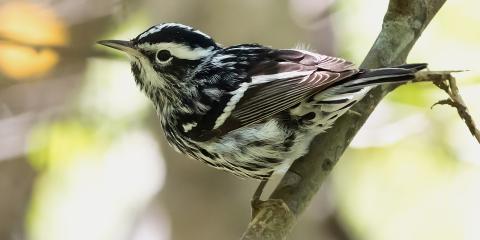
At 16 months old, Bornean orangutan infant Redd is growing stronger and more independent every day. Read all about Redd’s progress and favorite activities in the latest Q&A with animal keeper Erin Stromberg. How is Redd doing? Redd is doing very well! Over the past several months, he has sharpened...
Hartmann’s Mountain Zebra Dies at the Smithsonian Conservation Biology Institute ›
Hoofstock keepers at the Smithsonian Conservation Biology Institute (SCBI) are mourning the loss of Raylan, a 4-year-old male Hartmann’s mountain zebra who was humanely euthanized yesterday.
Saving Species One Cup of Coffee at a Time ›
A cup of coffee can do more than provide a wake-up boost. Consumer choices can either help or hinder the survival of migratory bird species, which spend the spring and summer in North America but overwinter in Central and South America’s forests and coffee plantations. Get the scoop on how Bird...
Bringing Back Guam Rails ›
The Smithsonian Conservation Biology Institute (SCBI) is experiencing a Guam rail baby boom. Three chicks, covered in black downy feathers with oversized feet, hatched in January.
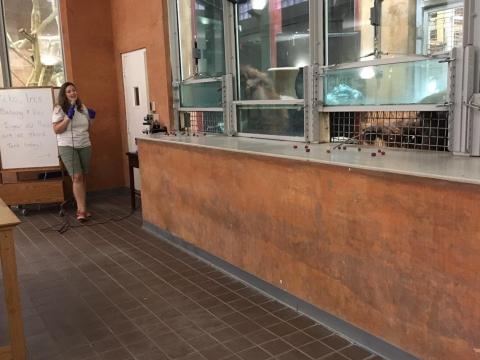
Understanding the Cognitive Abilities of Great Apes ›
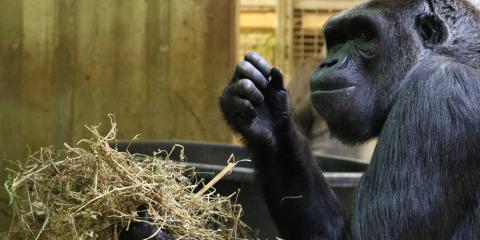
With the support of the David Bohnett Foundation, the Smithsonian’s National Zoo is helping address the important question of whether apes can attribute mental states to others.
#GorillaStory: Nest Building ›
Everyone likes to have a cozy place to sleep. Western lowland gorillas, however, rarely sleep in the same bed twice. With the exception of young infants, each gorilla in a troop constructs his or her own nest. Gorillas forage where resources are available, so they are often on the move, leaving...
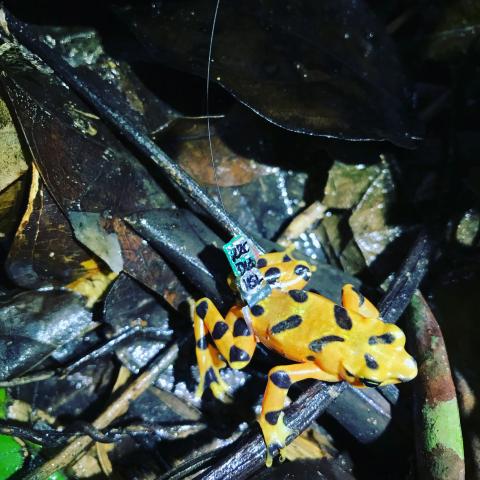
Variable Harlequin Frogs Return to the Wild ›
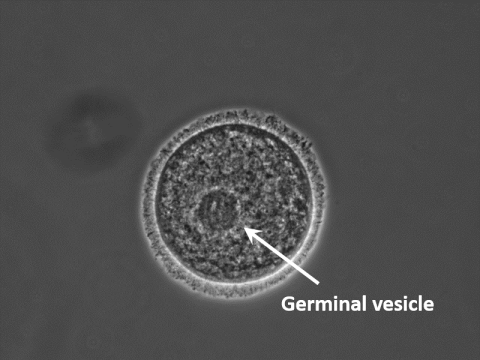
Through years of research and breeding, Smithsonian scientists have created a thriving variable harlequin frog colony in human care and released approximately 500 healthy frogs in Panama’s Colon province.
Proteins Provide Clues to Likelihood of Fertilization in Endangered Felines ›
An egg-citing new finding from the Smithsonian Conservation Biology Institute could help bolster the success of assisted reproduction for some of the most endangered species—with implications for human reproduction, too.
DNA Barcoding Untangles Gabon’s Complex Web of Frog Species ›
When Smithsonian Conservation Biology Institute (SCBI) conservation biologist Jessica Deichmann joined a project to determine how the construction of a road in Gabon’s Moukalaba-Doudou National Park would affect amphibians in the area, she quickly realized something surprising: the frogs are masters...
Smithsonian Releases Endangered Frogs in Panama ›
Once common along highland streams in western Costa Rica and Panama, the variable harlequin frog, Atelopus varius, is endangered throughout its range, decimated by a disease caused by the amphibian chytrid fungus. On Jan. 17, 2018, Smithsonian researchers released approximately 500 frogs at First...