
Species Reintroduction

Wildlife reintroductions and translocations have become an essential tool for restoring species and maintaining global biodiversity. Scientists at the Conservation Ecology Center are leveraging the Zoo's expertise in captive management and are engaged in multiple high-profile reintroduction and restoration efforts. Explore their ongoing projects below.
Projects
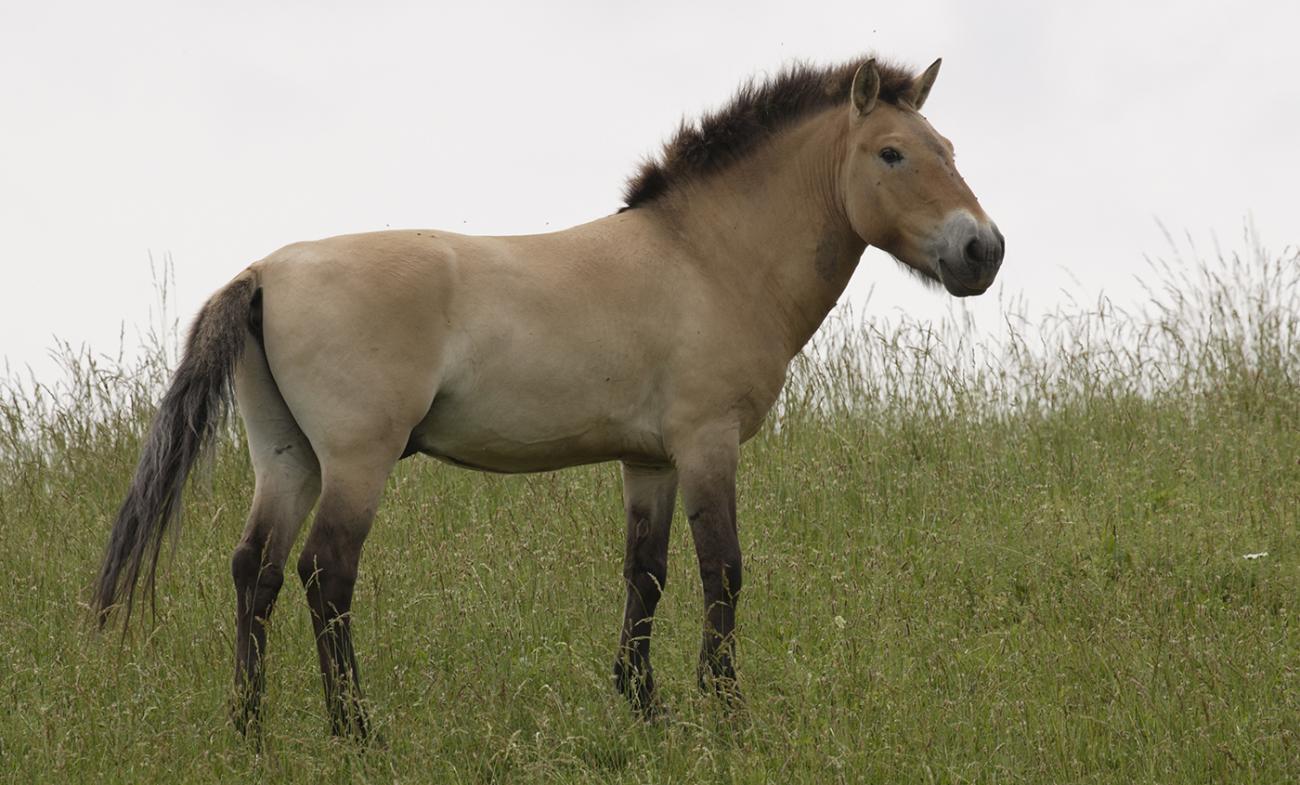
Przewalski’s Horse Tracking and Reintroduction
Through cutting-edge GPS satellite tracking and reintroduction programs, scientists are committed to saving the last truly wild horse species.
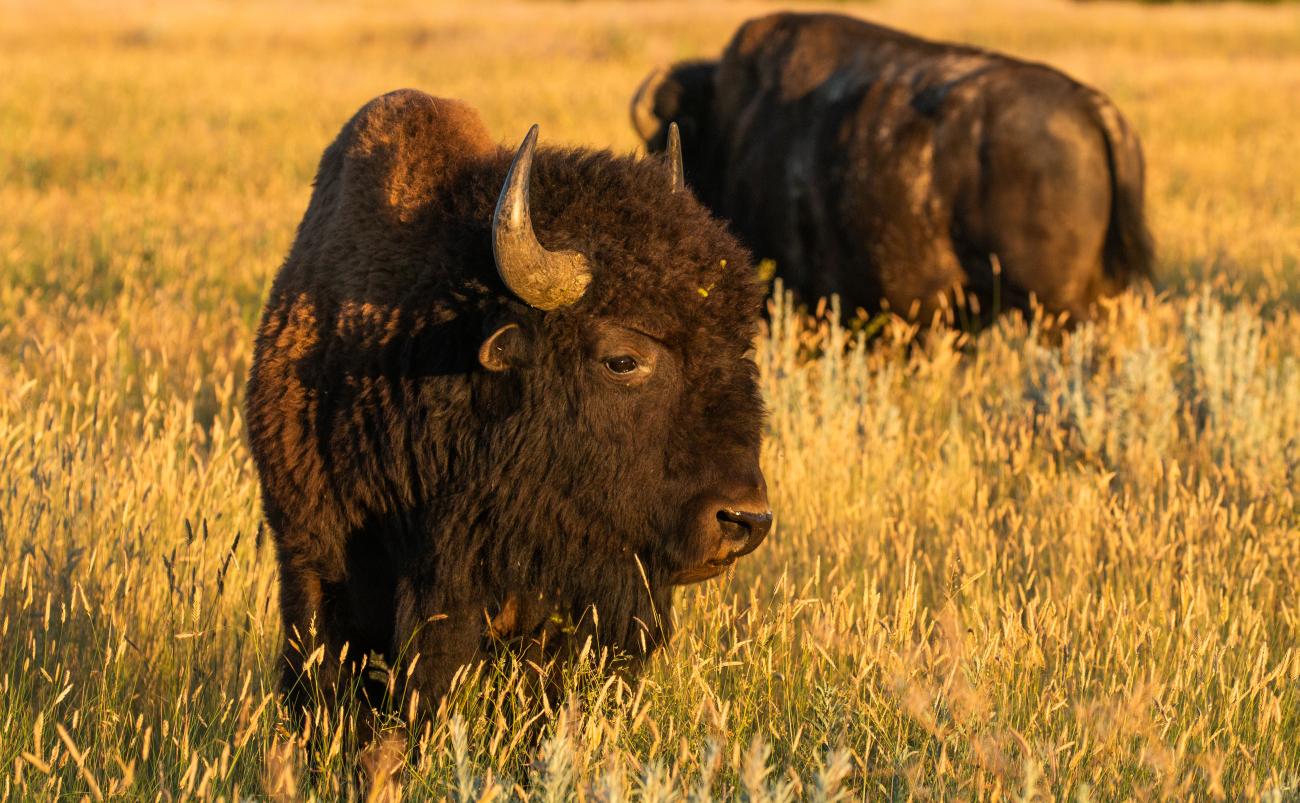
Restoring America's Wild Prairie
Smithsonian scientists are collaborating with the American Prairie Reserve to protect and restore one of North America's greatest treasures — the prairie.

Scimitar-horned Oryx Reintroduction
Scimitar-horned oryx once ranged across most of North Africa but are now considered extinct in the wild. Smithsonian scientists are part of a collaborative effort to return oryx to part of their former range.
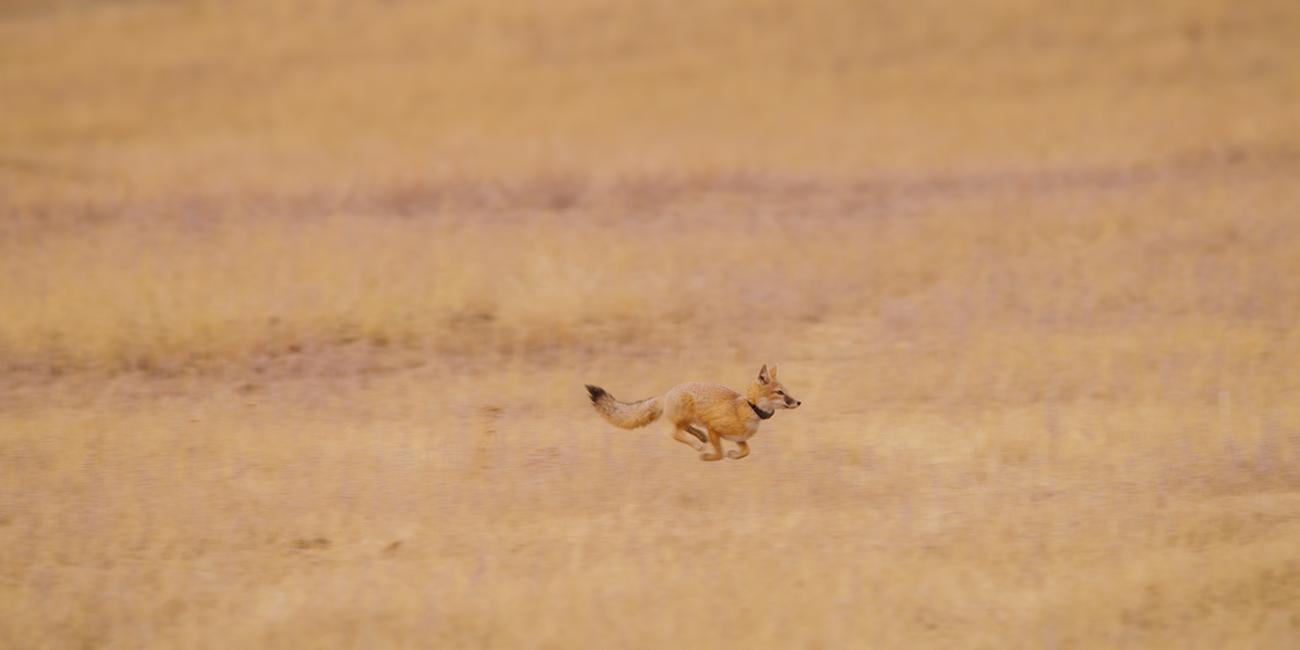
Swift Fox Recovery
Smithsonian scientists, in collaboration with the Fort Belknap Fish and Wildlife Department, are embarking on a five-year swift fox reintroduction project to restore swift foxes to tribal lands and to help reestablish connectivity between disjointed swift fox populations.
Continue Exploring

Reconecta: Bridging the Gap for Amazonian Wildlife
The Reconecta project aims to reduce animal mortality and restore connectivity in the fragmented Amazon forests through innovative, nature-positive solutions.
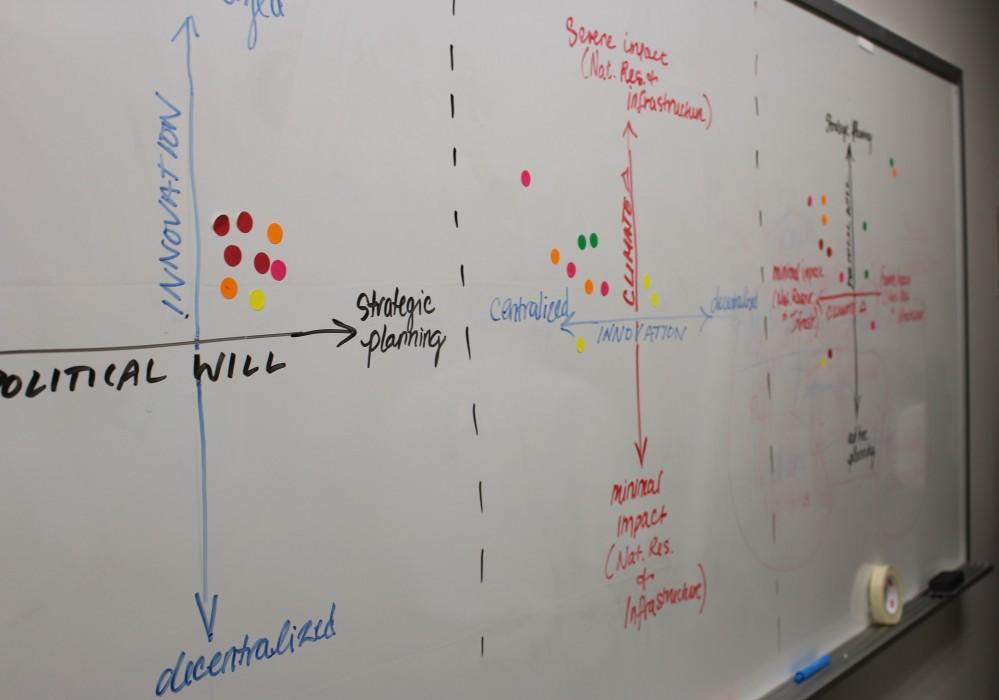
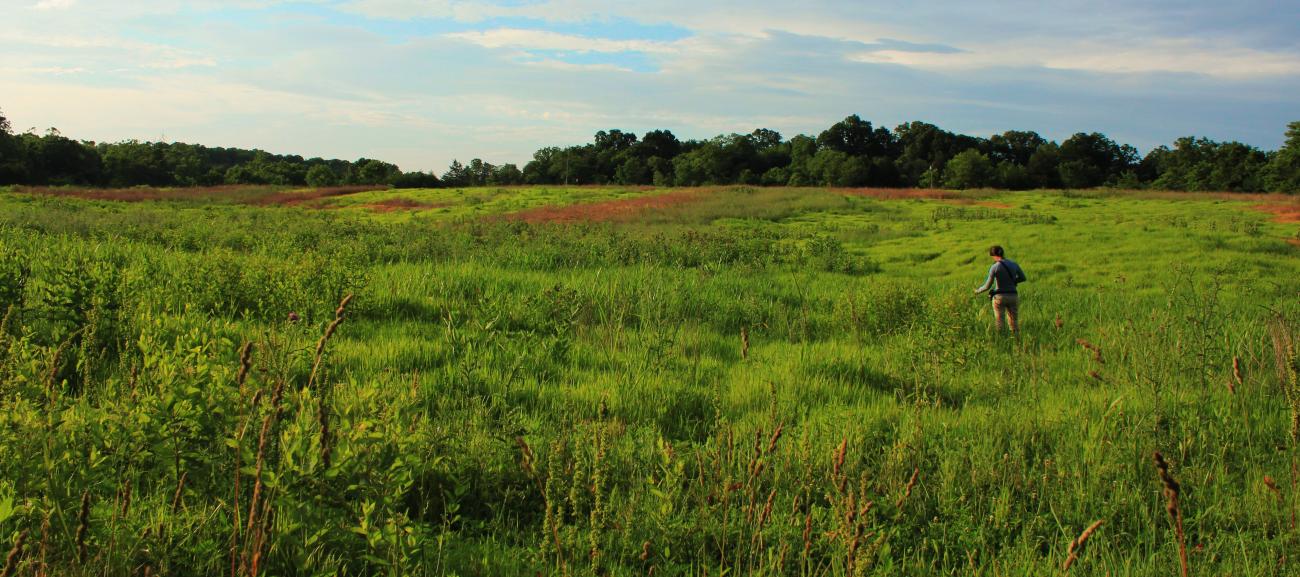
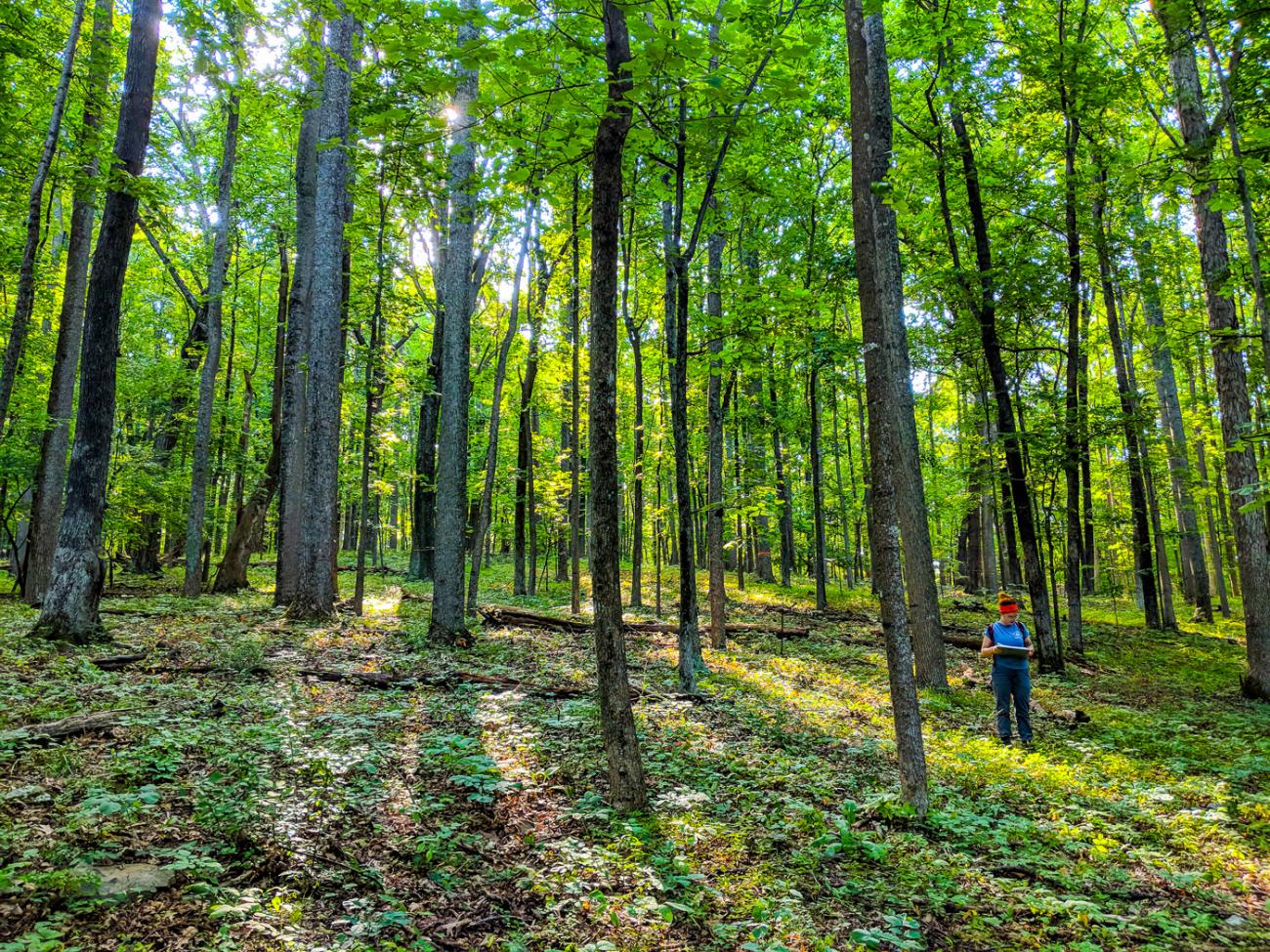
Changing Landscapes Initiative
Smithsonian scientists work alongside community members in Northwestern Virginia to evaluate the impacts of land-use change on wildlife, ecosystem services and community health.
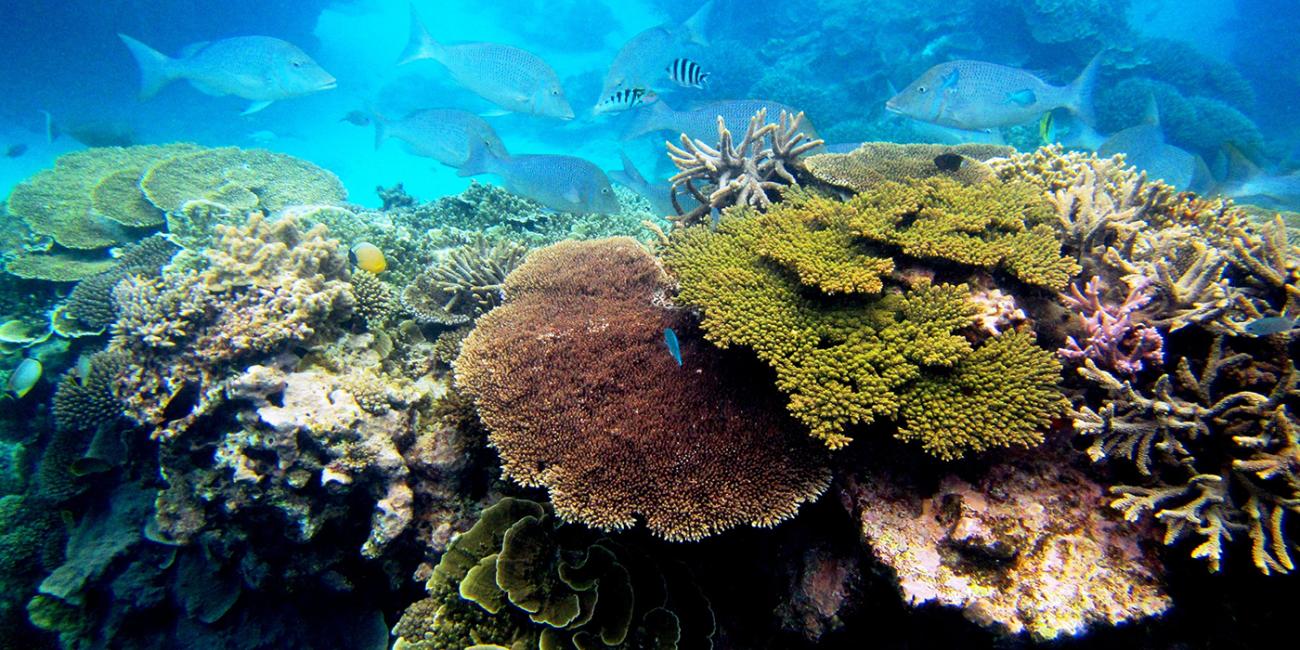
Coral Biobank Alliance
Smithsonian scientists are part of the Coral Biobank Alliance, a global network of coral experts preserving corals for restoration and research.
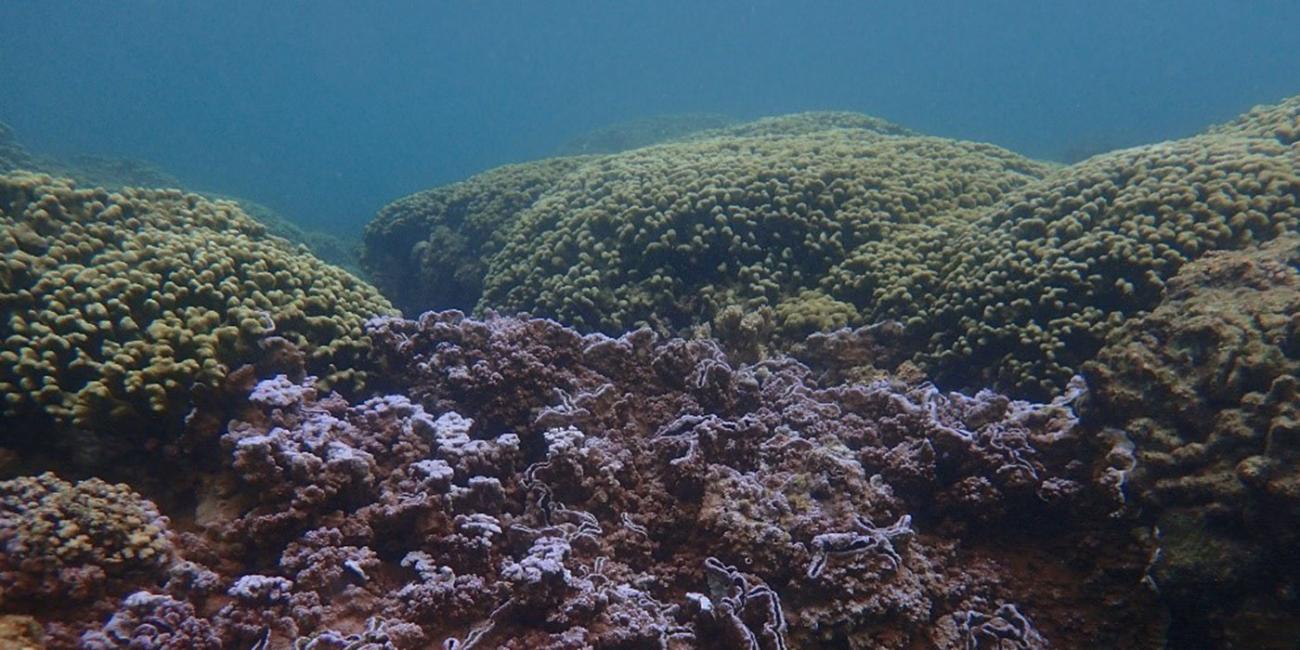
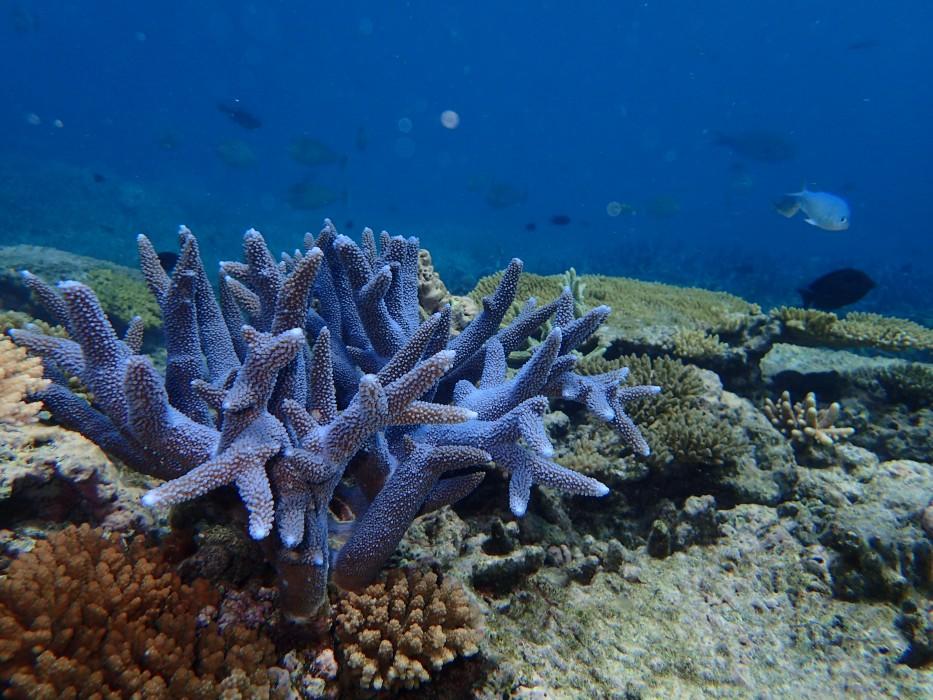
Coral Species Cryopreserved with Global Collaborators
View a list of the coral species that have been cryopreserved using a technique developed by Smithsonian scientists.
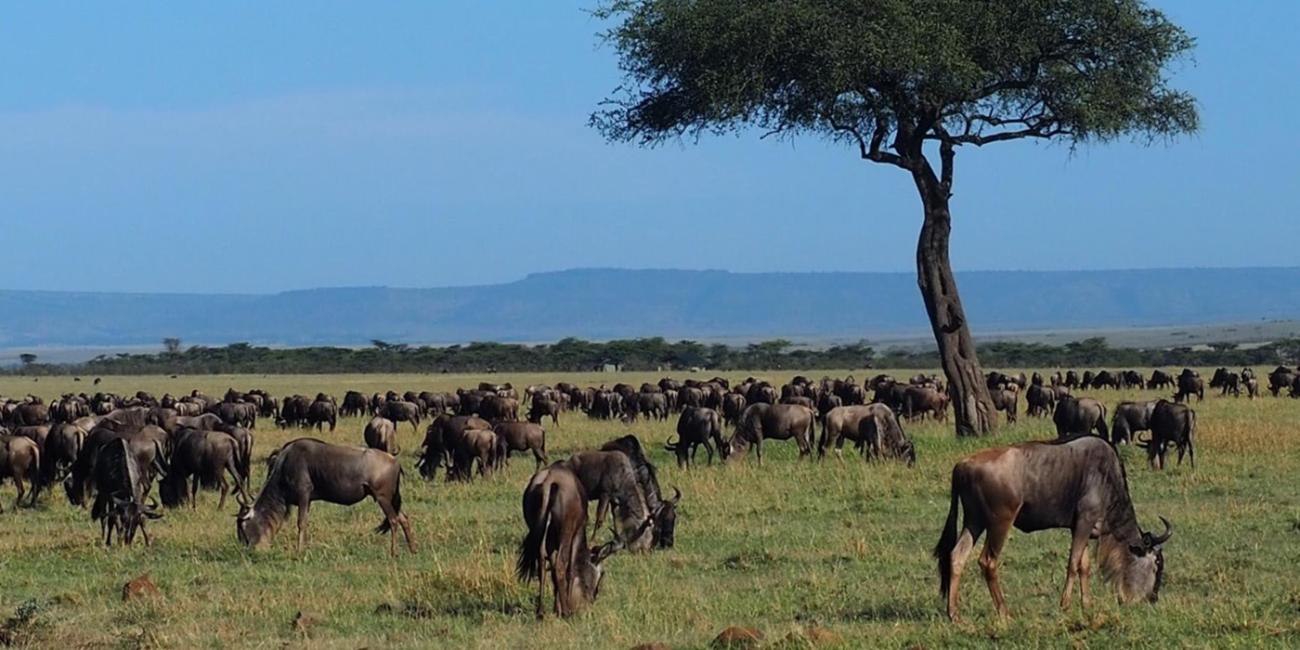
Wildebeest Conservation
Conservation Ecology Center scientists are tracking the movements of white-bearded wildebeest to understand how changes across the landscape impact the species.
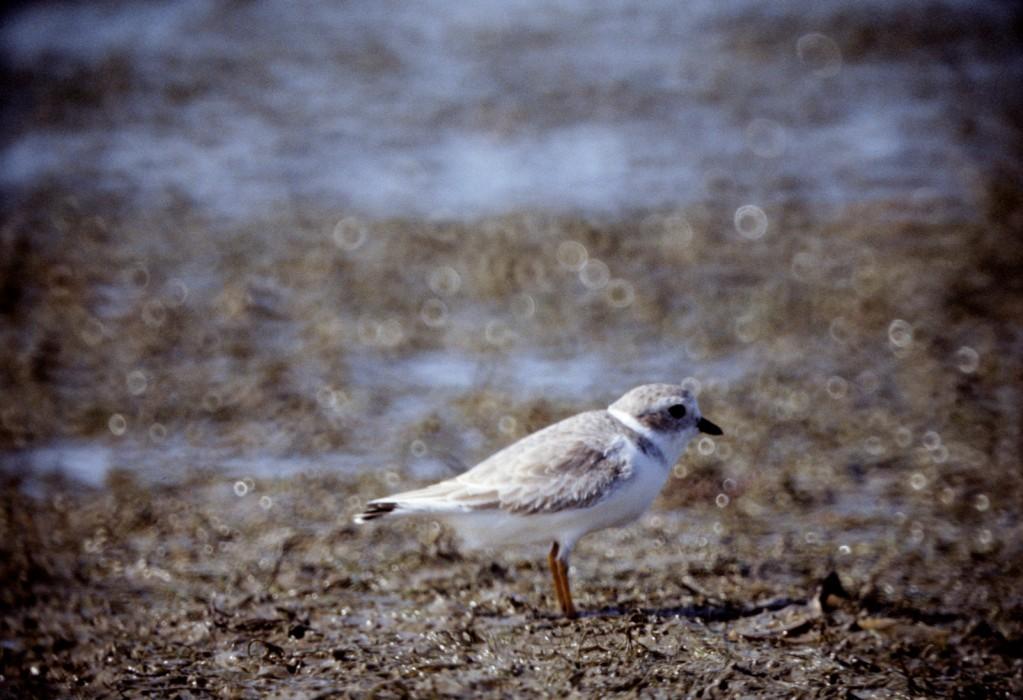
Protecting Piping Plovers in the Great Lakes
In 2022, the Smithsonian Migratory Bird Center will begin a new research project to help protect endangered piping plovers from predation by merlins.
Swift Fox Recovery
Smithsonian scientists, in collaboration with the Fort Belknap Fish and Wildlife Department, are embarking on a five-year swift fox reintroduction project to restore swift foxes to tribal lands and to help reestablish connectivity between disjointed swift fox populations.